Gold: The Timeless Symbol of Wealth, Beauty, and Stability
Gold, a precious metal revered across civilizations and millennia, stands as one of the most enduring symbols of wealth, beauty, and stability. Unlike fleeting trends or volatile assets, gold has maintained its allure through empires, economic upheavals, and cultural shifts—serving as a store of value, a medium of exchange, and a symbol of prestige. From ancient pharaohs adorning themselves in gold to modern investors using it as a hedge against inflation, this radiant metal has woven itself into the fabric of human history, blending practicality with profound symbolism.
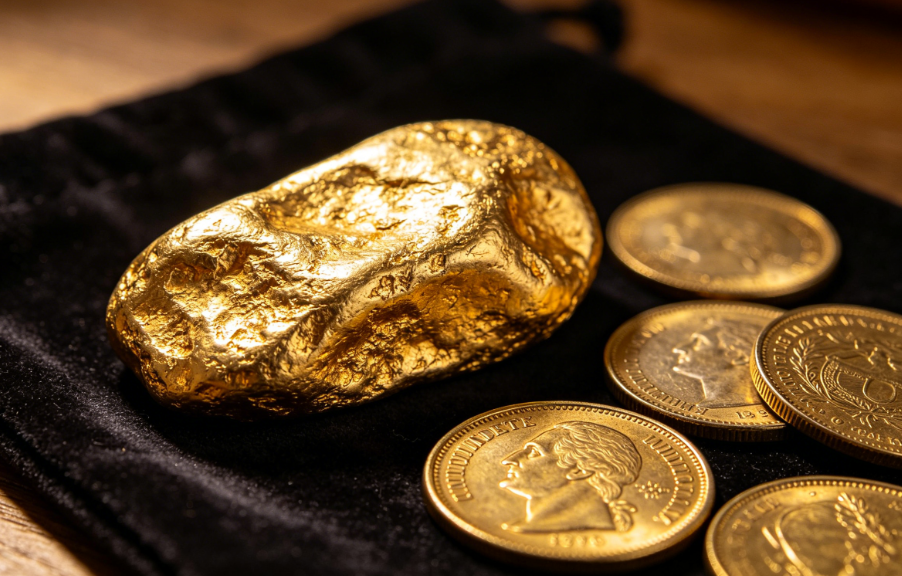
Chemically, gold is a rare, dense, and malleable metal known for its distinctive yellow hue and resistance to corrosion. Unlike other metals that tarnish or rust over time, gold remains untarnished, retaining its luster for centuries— a quality that has made it a symbol of eternity and permanence. Its unique properties make it versatile: it can be hammered into thin sheets (gold leaf) for art and decoration, drawn into fine wires for jewelry, or melted and cast into coins and bars for investment. Gold is also a good conductor of electricity, making it useful in electronics, dentistry, and aerospace technology, though its primary value lies in its scarcity and cultural significance.
Throughout history, gold has played a central role in shaping economies and cultures. In ancient Egypt, gold was considered the flesh of the gods, used to decorate tombs, sarcophagi, and sacred artifacts—symbolizing immortality and divine power. The Egyptians mined gold along the Nile and traded it across the Mediterranean, making it a cornerstone of their economy. In ancient Rome, gold coins (aureus) were the backbone of the empire’s currency, facilitating trade and symbolizing the emperor’s authority. In many Eastern cultures, gold is deeply tied to traditions: it is given as a gift during weddings, festivals, and milestones, representing prosperity, good fortune, and family legacy.
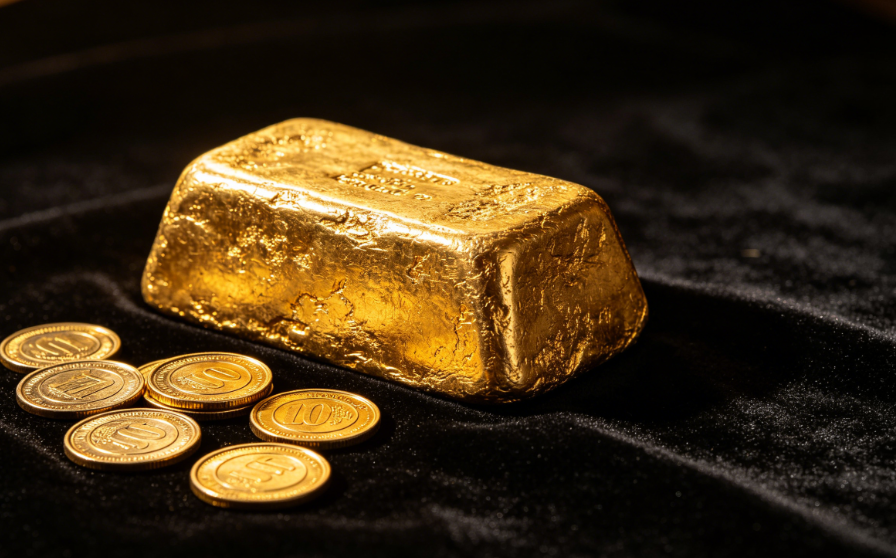
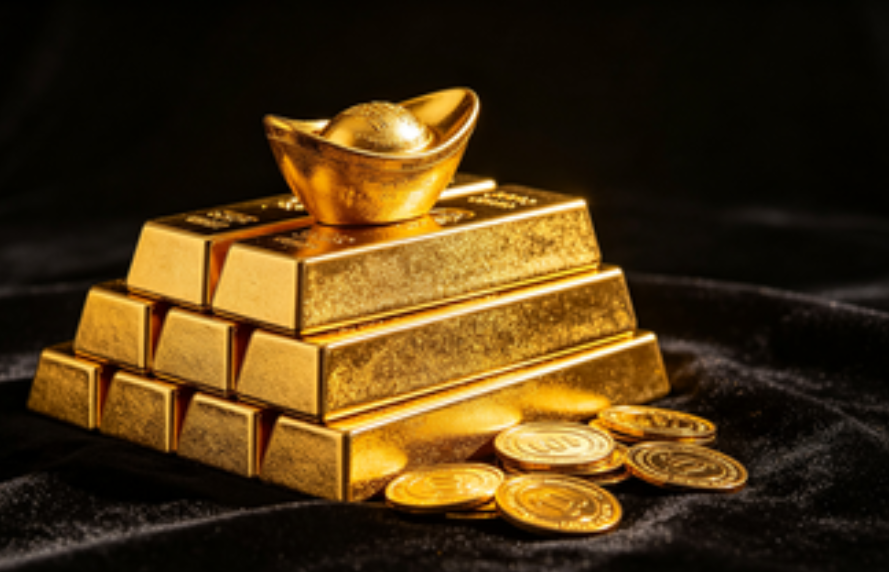
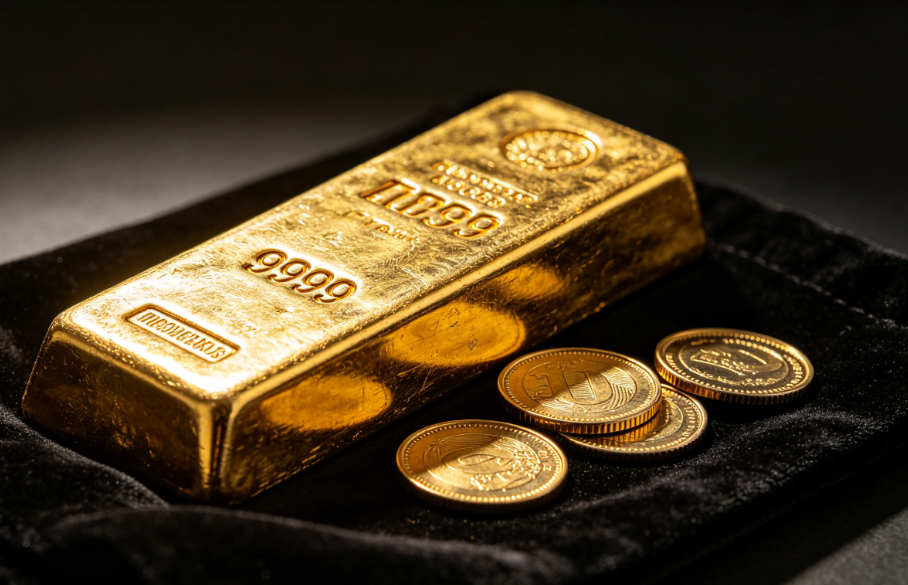
In the modern financial world, gold remains a vital asset, prized for its ability to preserve wealth during times of uncertainty. Unlike stocks, bonds, or currencies, gold is not tied to any single government or institution, making it a safe haven during economic downturns, inflation, or geopolitical tension. When inflation erodes the value of paper currency, gold retains its purchasing power; when stock markets crash, gold often holds or increases in value. Many investors include gold in their portfolios as a hedge, balancing risk and ensuring long-term stability. Gold bars and coins, such as the American Gold Eagle or the Swiss Gold Bar, are popular choices for investors seeking tangible, reliable assets.
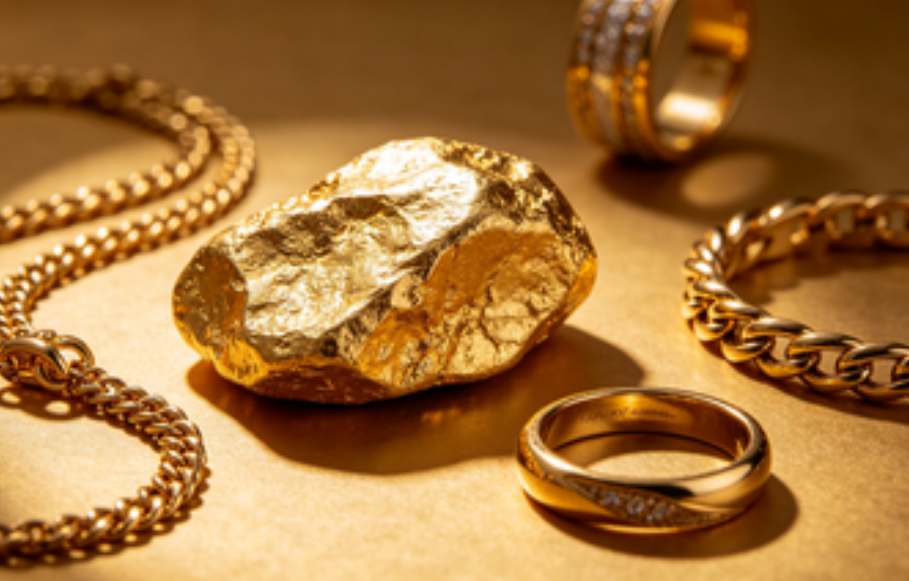
Beyond its economic value, gold is celebrated for its aesthetic appeal, particularly in jewelry. For centuries, gold jewelry has been a symbol of status, love, and celebration. From engagement rings and wedding bands to necklaces and bracelets, gold’s warm glow complements all skin tones and styles, making it a timeless accessory. Gold jewelry also holds sentimental value, often passed down through generations as heirlooms, carrying memories and family history. Different cultures have developed unique goldsmithing techniques, from intricate Indian filigree to bold African designs, showcasing the metal’s versatility and cultural significance.
The process of mining gold is a complex and labor-intensive endeavor, reflecting its rarity. Gold is found in small quantities in rocks, rivers, and underground veins, requiring careful extraction and refining. Modern mining techniques prioritize sustainability, with companies working to minimize environmental impact by reducing water usage, restoring mined areas, and limiting carbon emissions. Despite advancements in mining, gold remains a scarce resource—with only a small amount of gold ever mined throughout history, adding to its value and allure.
In conclusion, gold is far more than a precious metal—it is a timeless symbol of wealth, stability, and human connection. Its unique properties, cultural significance, and ability to preserve value have made it a constant in a changing world. Whether used as an investment, a decorative art form, or a symbol of tradition, gold continues to captivate and inspire. It bridges the gap between ancient traditions and modern finance, reminding us of the enduring power of something rare, beautiful, and unchanging. In a world of uncertainty, gold stands as a steadfast reminder of permanence and value—one that will continue to be cherished for centuries to come.