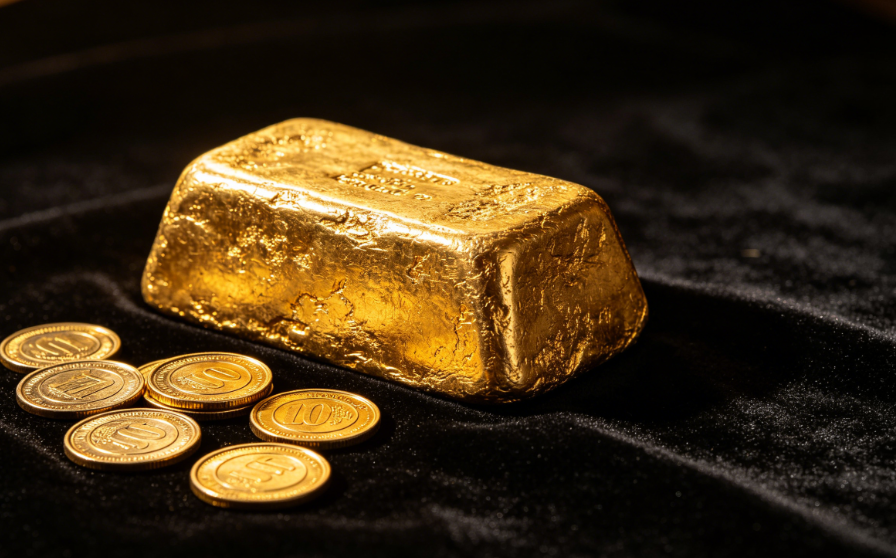
Gemstones: Nature’s Timeless Masterpieces of Color and Rarity
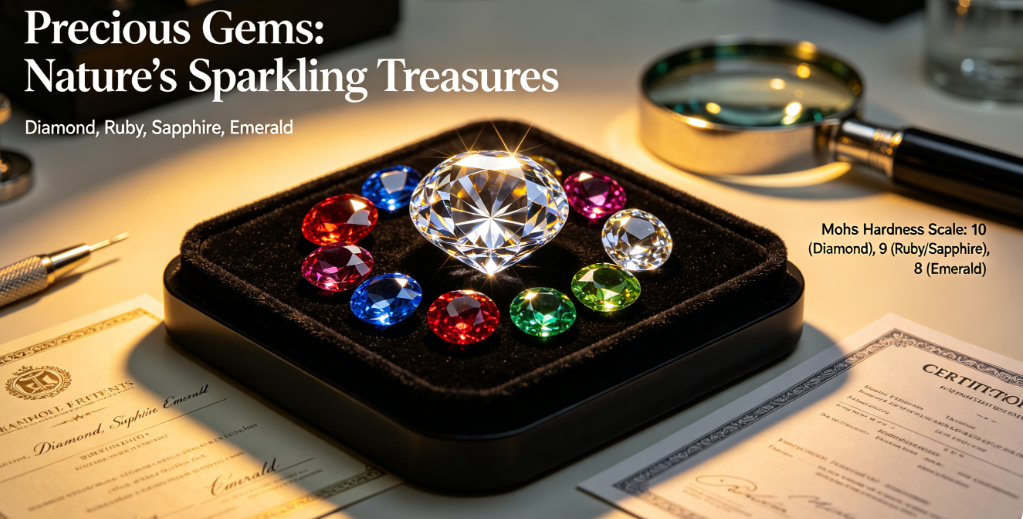
Gemstones have fascinated humanity for millennia, serving as symbols of beauty, power, and enduring value. More than just shiny accessories, these natural treasures are forged deep within the Earth through extreme heat, pressure, and time, each one carrying a unique story of formation and significance. From the fiery red of rubies to the vivid green of emeralds, and the iridescent glow of opals, gemstones bridge the gap between nature’s artistry and human emotion, remaining a timeless symbol of elegance and rarity.
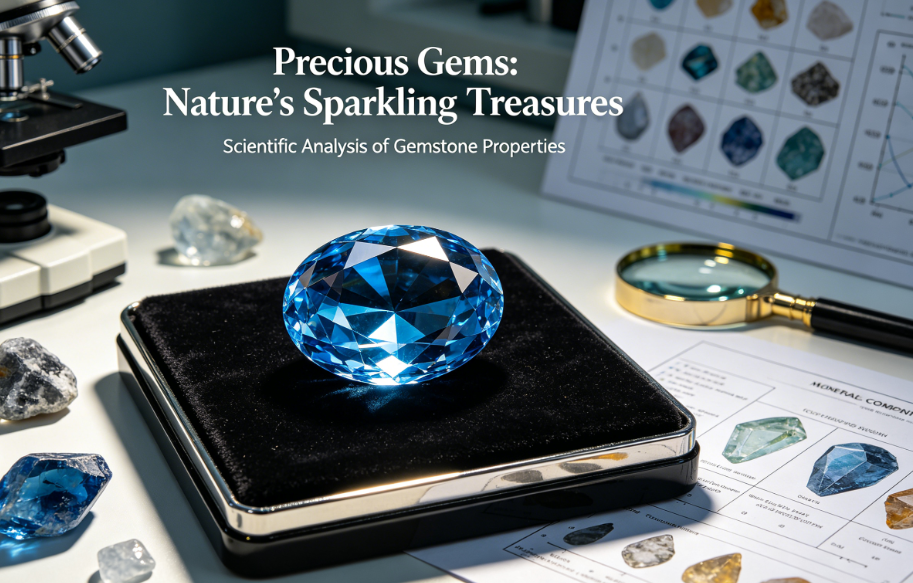
At their core, gemstones are mineral or organic materials that possess exceptional beauty, durability, and rarity—qualities that set them apart from ordinary stones. Unlike common rocks, gemstones are prized for their ability to reflect light, retain their luster, and withstand the test of time. The formation of a gemstone is a slow, intricate process: most require millions of years of geological activity, with extreme heat and pressure transforming ordinary minerals into the dazzling treasures we admire.
Diamonds, the hardest natural substance on Earth, are among the most iconic gemstones. Formed over 100 miles beneath the Earth’s surface, they are created when carbon is subjected to intense heat and pressure for millions of years. Their unmatched hardness and brilliant sparkle make them a symbol of eternity and commitment, often used in engagement rings to represent unbreakable bonds. Beyond diamonds, rubies and sapphires—both varieties of the mineral corundum—offer striking hues: rubies, tinged with chromium, symbolize passion and courage, while sapphires, available in blue, pink, yellow, and even colorless, embody loyalty, wisdom, and tranquility.
Emeralds, a type of beryl, are celebrated for their rich, lush green color, linked to growth, renewal, and new beginnings. Their vibrant shade comes from trace elements like chromium and vanadium, and their delicate beauty makes them a favorite for those seeking a gemstone that carries meaning beyond aesthetics. Opals, another beloved gem, stand out for their iridescent play of colors, caused by light refracting through tiny silica spheres within the stone, creating a mesmerizing display that shifts with every angle.
What makes gemstones truly special is their dual role as both decorative pieces and valuable assets. High-quality gemstones, especially those with rich, uniform color, minimal flaws, and larger size, hold significant economic value. Rare specimens—such as vivid pigeon-blood rubies, flawless Kashmir sapphires, or large, clear diamonds—often fetch impressive prices at auctions, making them a sought-after investment for collectors.
Gemstones also carry deep cultural and symbolic meaning across civilizations. In ancient times, they were used as talismans to ward off harm, bring prosperity, and mark important life milestones. Today, they remain a meaningful way to commemorate love, achievement, and legacy—whether worn as a piece of jewelry, collected as a treasure, or passed down through generations as a family heirloom.
Caring for gemstones is key to preserving their beauty and value. Different gemstones require different care: harder stones like diamonds and sapphires can withstand daily wear, while softer stones like opals and pearls need gentle handling to avoid scratches or damage. Avoiding harsh chemicals, extreme temperatures, and direct sunlight will ensure these natural treasures retain their luster for years to come.
In a world filled with fleeting trends, gemstones stand as a testament to nature’s artistry and endurance. They are more than just stones—they are symbols of love, courage, renewal, and legacy. Whether worn as a piece of jewelry, collected as an investment, or cherished for their cultural significance, gemstones continue to captivate and inspire, reminding us of the Earth’s incredible beauty and the timeless allure of something truly rare and precious.