Credit Cards: A Convenient Tool for Modern Life—Use Wisely
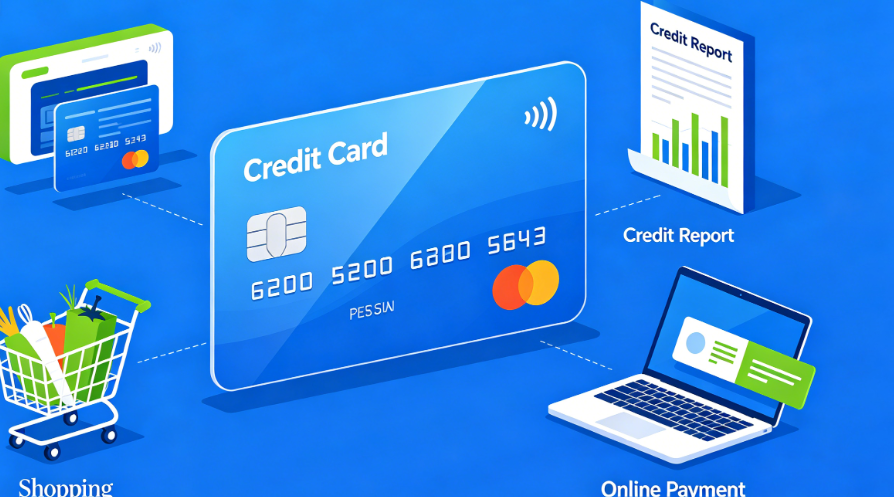
In today’s fast-paced digital world, credit cards have become an indispensable financial tool for millions of people, offering convenience, flexibility, and even rewards. A credit card is a payment card that allows you to borrow money from a bank or financial institution to make purchases, pay bills, or access cash advances, with the agreement to repay the borrowed amount plus interest within a specified time. When used responsibly, credit cards can simplify daily transactions, build a good credit history, and bring practical benefits—but misuse can lead to debt and financial trouble.
The core advantage of credit cards lies in their convenience and flexibility. Unlike cash, credit cards eliminate the need to carry large sums of money, making shopping, dining, and online payments safer and easier. They are widely accepted worldwide, whether you’re traveling abroad, shopping online, or paying for everyday expenses like groceries or utility bills. Many credit cards also offer rewards programs, such as cashback, points, or airline miles, which let you earn benefits while making regular purchases, adding extra value to your spending.
Another important benefit of credit cards is their role in building a credit history. Your credit history reflects how responsibly you manage debt, and a good credit score is essential for future financial needs—such as applying for a mortgage, a car loan, or even a rental apartment. By paying your credit card bill on time and keeping your credit utilization low (using no more than 30% of your credit limit), you can establish a positive credit record that opens doors to better financial opportunities.
However, credit cards also come with risks that require careful attention. The biggest danger is overspending, as the ability to borrow money easily can lead to accumulating more debt than you can afford. Interest rates on credit cards are often higher than other types of loans, so carrying a balance from month to month can result in significant interest charges, making it harder to pay off the debt. Additionally, late payments can damage your credit score and result in late fees, further adding to your financial burden.
To use credit cards wisely, it’s important to follow a few simple guidelines: always pay your bill on time, ideally in full each month to avoid interest; keep track of your spending to stay within your budget; avoid cash advances, which often have higher fees and interest rates; and choose a credit card that matches your lifestyle, such as one with rewards that align with your spending habits. By using credit cards responsibly, you can enjoy their convenience and benefits while avoiding the pitfalls of debt.
In conclusion, credit cards are powerful tools that can enhance your financial flexibility and convenience when used properly. They are not just a means of payment, but a way to build credit and access additional benefits. By understanding how credit cards work and practicing responsible usage, you can make them work for you, supporting your daily life and long-term financial goals.