Credit Cards: Smart Usage for Modern Financial Convenience
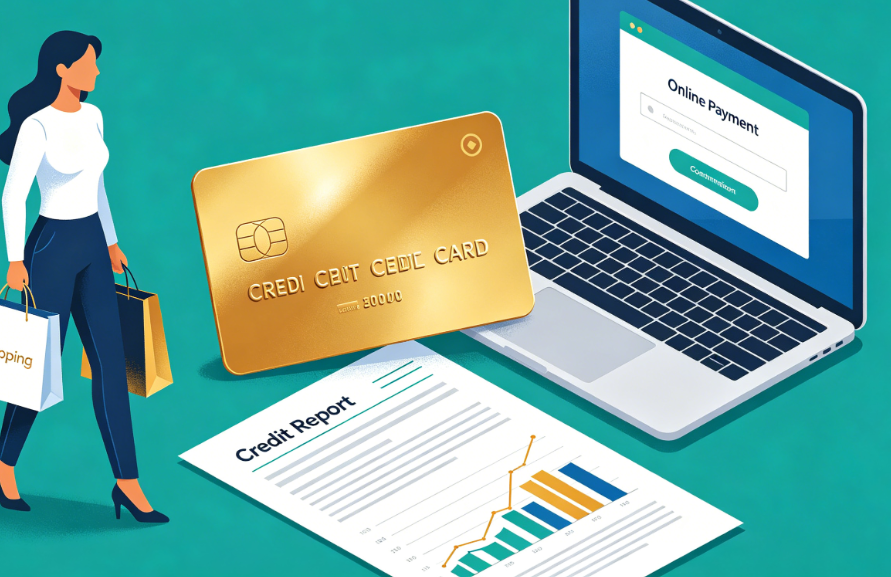
Credit cards have become a staple in modern financial life, offering a blend of convenience, security, and flexibility that cash and debit cards often cannot match. Essentially, a credit card is a financial product issued by banks or credit unions, allowing users to borrow funds up to a predetermined credit limit to make purchases, settle bills, or cover unexpected expenses. Unlike debit cards that deduct money directly from your bank account, credit cards let you repay the borrowed amount later, either in full or in installments—making them a practical tool when used responsibly.
One of the key benefits of credit cards is the convenience they bring to daily transactions. They eliminate the need to carry large amounts of cash, reducing the risk of loss or theft. Whether shopping in-store, making online purchases, paying for travel bookings, or settling utility bills, credit cards are widely accepted globally, making them ideal for both daily use and international trips. Many credit card issuers also offer contactless payment options, allowing for quick and hassle-free transactions, which saves time in busy daily routines.
Beyond convenience, credit cards offer valuable perks and rewards. Most cards come with reward programs, such as cashback on everyday spending, points that can be redeemed for gifts or travel, or airline miles for frequent travelers. These rewards can add up over time, turning regular purchases into extra benefits. Additionally, credit cards often provide purchase protection, covering items that are damaged, lost, or stolen shortly after purchase, giving users added peace of mind.
Another crucial advantage of credit cards is their role in building a credit history. A good credit score is essential for future financial endeavors, such as applying for a mortgage, car loan, or even a new credit card with better terms. By using a credit card responsibly—paying bills on time, keeping credit utilization low (ideally below 30% of the credit limit), and avoiding excessive debt—you can establish a positive credit record that reflects your financial reliability.
However, credit cards also carry risks if not used carefully. The ease of borrowing can lead to overspending, resulting in accumulated debt that is hard to repay. Credit cards typically have higher interest rates than other loans, so carrying a balance from month to month can lead to significant interest charges, increasing the total amount owed. Late payments not only incur fees but also damage your credit score, which can affect your ability to access credit in the future.
To make the most of credit cards while avoiding pitfalls, it’s important to adopt smart usage habits. Always track your spending to stay within your budget, pay your bill in full each month to avoid interest, and avoid cash advances, which often have higher fees and interest rates. Choose a credit card that fits your lifestyle—whether you prioritize cashback, travel rewards, or low interest rates—and review your monthly statements regularly to spot any unauthorized charges.
In summary, credit cards are powerful financial tools that offer convenience, rewards, and the opportunity to build credit when used responsibly. They simplify transactions, provide added security, and can enhance your financial flexibility. By understanding how credit cards work and practicing disciplined usage, you can leverage their benefits to support your daily life and long-term financial goals.