Gemstones: Nature’s Dazzling Treasures—From Diamonds to Sapphires
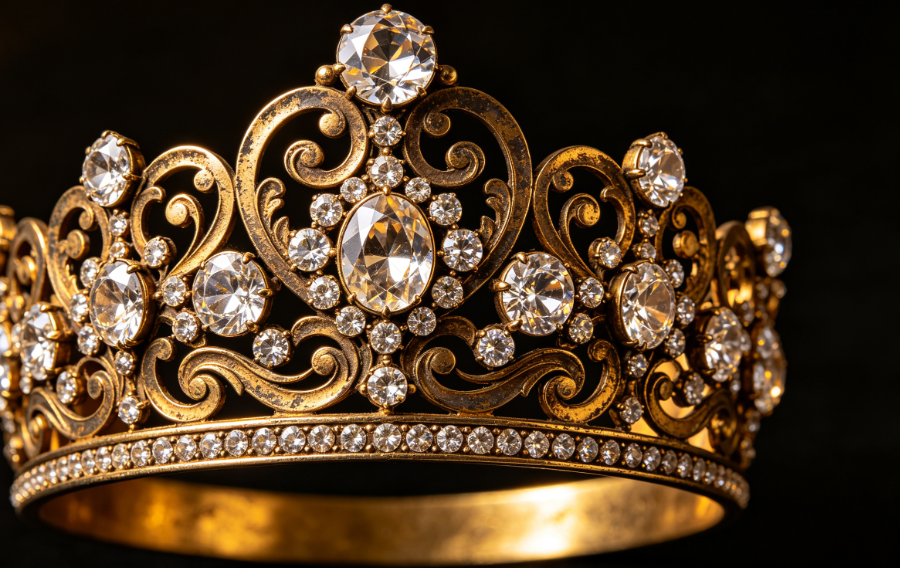
Gemstones are nature’s most exquisite creations, forged over millions of years beneath the Earth’s surface, each with its own unique color, sparkle, and story. For millennia, these precious stones have captivated human civilization, serving as symbols of wealth, power, love, and spirituality. From the brilliance of diamonds to the deep blues of sapphires, the vivid reds of rubies, and the soft greens of emeralds, gemstones have adorned royal crowns, celebrated life’s milestones, and even powered modern technology. This article explores the diverse world of gemstones, their formation, key types, cultural significance, and the timeless allure that makes them beloved across cultures and generations.
How Gemstones Are Formed: Nature’s Artistry
Gemstones, also known as gemstones or precious stones, are minerals or organic materials that possess beauty, rarity, and durability—qualities that make them valuable for jewelry, art, and collection. Their formation is a testament to nature’s patience, requiring specific geological conditions: extreme pressure, high temperatures, and the right combination of elements, often over millions or even billions of years.
Most gemstones form in the Earth’s mantle, where molten rock (magma) and mineral-rich fluids cool and crystallize. Others are created through metamorphism, a process where existing minerals are transformed by heat and pressure deep underground. Some gemstones, like pearls and amber, are organic—formed by living organisms rather than geological processes. Pearls, for example, are created when oysters secrete layers of nacre to protect themselves from irritants, while amber is fossilized tree resin that has hardened over millions of years.
The rarity of a gemstone depends on its formation process and availability. Gemstones that require unique geological conditions, such as diamonds or rubies, are far rarer and more valuable than those that are more abundant, like quartz or amethyst.
The Most Beloved Gemstones: Types, Properties, and Appeal
There are hundreds of gemstones in the world, but a few stand out for their beauty, rarity, and cultural significance. Below are some of the most popular and cherished gemstones, each with its own distinct characteristics:
1. Diamonds: The King of Gemstones
Diamonds are the hardest known natural material, scoring a 10 on the Mohs scale of mineral hardness. Formed from carbon under extreme pressure and temperature deep in the Earth, diamonds are renowned for their unmatched brilliance and fire (the way they reflect and disperse light). They are most commonly colorless, but can also occur in fancy colors—such as pink, blue, yellow, and green—which are extremely rare and valuable. Diamonds are symbolically associated with eternity, love, and strength, making them the top choice for engagement rings and royal jewelry.
2. Rubies: The Gem of Passion and Power
Rubies are a variety of the mineral corundum, known for their vivid red color—ranging from deep crimson to light pink. The most valuable rubies are those with a rich, pigeon’s blood red hue, found primarily in Myanmar (Burma). Rubies are relatively hard (9 on the Mohs scale) and have been revered for centuries as symbols of passion, courage, and power. In ancient cultures, rubies were believed to protect their wearers from harm and bring good fortune.
3. Sapphires: The Gem of Wisdom and Loyalty
Like rubies, sapphires are also a variety of corundum, but they come in a range of colors—blue being the most famous. However, sapphires can also be pink, yellow, green, purple, or even colorless (known as white sapphires). The deepest, most vivid blue sapphires are highly prized, with the Kashmir sapphires being the most valuable. Sapphires symbolize wisdom, loyalty, and truth, and have been worn by royalty and nobility throughout history—most famously by Princess Diana and Kate Middleton, whose engagement ring features a large blue sapphire.
4. Emeralds: The Gem of Hope and Fertility
Emeralds are a variety of the mineral beryl, known for their rich, vibrant green color. Their color comes from trace amounts of chromium and vanadium, and the most valuable emeralds have a deep, grassy green hue with few inclusions (flaws). Emeralds are relatively soft (7.5-8 on the Mohs scale) and require careful care, but their beauty and symbolism have made them a favorite for centuries. They are associated with hope, fertility, and renewal, and were revered by ancient civilizations like the Egyptians and Incas.
5. Other Beloved Gemstones
Beyond the “big four” (diamonds, rubies, sapphires, emeralds), there are many other stunning gemstones: amethyst (a purple variety of quartz), topaz (available in yellow, blue, and pink), tourmaline (known for its wide range of colors), and opal (famous for its iridescent play of colors). Each of these gemstones has its own unique beauty and symbolism, making them popular choices for jewelry and collections.
Gemstones in History and Culture: Symbols and Traditions
Gemstones have played a central role in human history and culture for thousands of years. Ancient civilizations attributed magical and healing properties to gemstones, believing they could protect against illness, bring prosperity, and connect the wearer to the divine. The ancient Egyptians used gemstones like lapis lazuli and turquoise in jewelry and burial rituals, while the Greeks and Romans associated gemstones with their gods—diamonds with Zeus, rubies with Mars, and sapphires with Apollo.
In many cultures, gemstones are tied to birth months, with each month having a corresponding birthstone. For example, January’s birthstone is garnet, February’s is amethyst, March’s is aquamarine, and April’s is diamond. These birthstones are believed to bring good luck and protection to those born in that month, making them popular gifts for birthdays and other milestones.
Gemstones have also been used as a form of currency and wealth storage throughout history. Royalty and nobility hoarded gemstones to display their power and wealth, and gemstones were often used to settle debts or as gifts to seal alliances. Today, gemstones remain a symbol of luxury and success, worn by celebrities, royalty, and anyone looking to celebrate a special moment.
Gemstones Beyond Jewelry: Industrial and Technological Uses
While most people associate gemstones with jewelry, many gemstones have practical applications in industry and technology, thanks to their unique physical properties. Their hardness, thermal conductivity, and optical properties make them indispensable in a wide range of fields:
- Industrial Tools: Diamonds and sapphires are used in cutting, grinding, and polishing tools due to their extreme hardness. Diamond-tipped tools are used to cut metal, glass, and stone, while sapphire is used in scratch-resistant windows and lenses.
- Electronics: Gemstones like sapphire and ruby are used in semiconductors, LEDs, and other electronic devices. Sapphire’s excellent thermal conductivity helps dissipate heat in high-performance electronics, while ruby is used in lasers and optical sensors.
- Medical Technology: Gemstones like diamonds and sapphires are used in medical devices due to their biocompatibility (ability to coexist safely with the human body). Diamond-coated tools are used in surgery for precision, while sapphire is used in medical implants and diagnostic tools.
- Optics: Gemstones like quartz and sapphire are used in lenses, prisms, and other optical equipment due to their ability to transmit light efficiently and resist scratches.
Gemstones as an Investment: A Tangible Asset with Long-Term Value
Gemstones are also a popular investment asset, valued for their rarity, durability, and ability to retain value over time. Unlike stocks or bonds, which can be volatile, gemstones are a tangible asset that can be passed down through generations. However, investing in gemstones requires knowledge and careful consideration, as not all gemstones are good investments.
Investment-grade gemstones are typically rare, with high quality in terms of color, clarity, cut, and size. For example, large, flawless diamonds, vivid rubies, and deep blue sapphires are more likely to appreciate in value over time. It’s important to purchase gemstones from reputable sources with proper certification (such as from the Gemological Institute of America, GIA) to ensure authenticity and quality.
For beginners, investing in gemstones can be challenging, as the market is less liquid than gold or stocks. However, gemstone ETFs, mutual funds, or collections of smaller, high-quality gemstones offer a more accessible way to gain exposure to the gemstone market without owning large, expensive stones.
Caring for Gemstones: Preserving Their Beauty
Gemstones are durable, but they require proper care to retain their beauty and value. Different gemstones have different hardness levels, so it’s important to handle them with care: avoid scratching softer gemstones (like emeralds) with harder ones (like diamonds), store gemstone jewelry in separate compartments to prevent damage, and clean them regularly with a soft cloth and mild soap (avoid harsh chemicals or ultrasonic cleaners for delicate gemstones).
Gemstones: Timeless Treasures of Nature
Gemstones are more than just beautiful objects—they are a reflection of nature’s artistry, a connection to our past, and a symbol of our most cherished emotions. From the brilliance of diamonds to the vivid colors of rubies and sapphires, each gemstone tells a story of millions of years of geological processes, cultural traditions, and human passion.
Whether you wear gemstones as jewelry, collect them as a hobby, or invest in them for their long-term value, there is no denying their timeless allure. Gemstones are nature’s dazzling treasures—unique, precious, and enduring—destined to be cherished for generations to come.