The Timeless Allure of Gold: From History to Modern Investing
Gold is more than just a precious metal—it is a cultural icon, a store of value, and a cornerstone of global finance that has captivated humanity for millennia. Across civilizations, from ancient Egypt’s pharaohs to modern investors, gold has maintained a unique position as a symbol of wealth, stability, and security. Unlike other assets that rise and fall with market trends or political shifts, gold’s intrinsic value and universal appeal have stood the test of time. This article explores the enduring significance of gold, its role in today’s economy, and how even beginner investors can engage with this timeless asset.
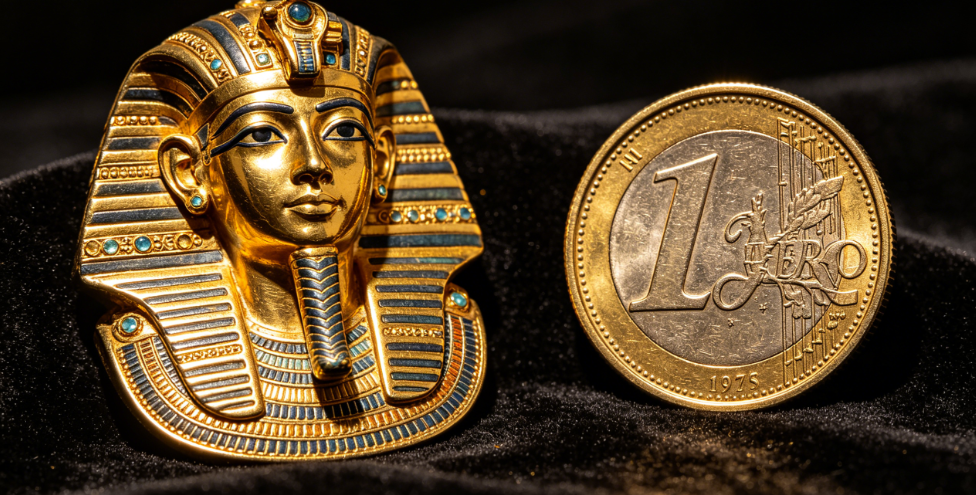
The story of gold is intertwined with the story of human civilization. For thousands of years, it has been used as currency, a medium of exchange, and a marker of power. The ancient Egyptians crafted gold into jewelry and burial treasures, believing it to be the flesh of the gods. The Romans used gold coins to unify their empire, while medieval European kings hoarded gold to secure their wealth and authority. In more recent history, gold served as the backbone of the global monetary system under the gold standard, where currencies were directly convertible to gold—a system that ensured stability and trust in global trade.
Today, while the gold standard is no longer in use, gold remains a critical asset in the global economy. Its unique properties—scarcity, durability, and resistance to corrosion—make it irreplaceable in industries ranging from electronics to dentistry. But for most people, gold’s greatest value lies in its role as a safe haven and investment tool, especially during times of uncertainty.
Why Gold Remains Relevant in Modern Finance
In an era dominated by digital assets, stocks, and complex financial instruments, gold’s simplicity and reliability make it a standout choice for investors. There are three key reasons why gold continues to hold its value and appeal:
- Protection Against Inflation: Inflation erodes the purchasing power of fiat currencies, but gold has historically acted as a hedge against this erosion. Over the past century, gold has consistently outpaced inflation, ensuring that the value of investments tied to gold remains stable over time. For example, if you had invested $100 in gold in 2000, that investment would be worth over $600 by 2024, far outpacing the rise in consumer prices.
- Portfolio Diversification: Gold has a low correlation with traditional assets like stocks and bonds. This means that when stock markets crash or bond prices decline, gold often maintains or increases in value. Adding gold to a portfolio helps reduce overall risk, creating a more balanced and resilient investment strategy—critical for weathering economic downturns.
- Universal Liquidity and Acceptance: Gold is recognized and valued in every corner of the world. It can be easily bought, sold, or traded in nearly every country, making it a highly liquid asset. Whether you’re in Tokyo, Dubai, or New York, gold’s value is consistent, making it a reliable form of wealth that transcends borders and currencies.
Gold as an Investment: Accessible Options for Everyone
Investing in gold does not require a large budget or expert financial knowledge. There are several accessible ways to add gold to your investment portfolio, each tailored to different goals and risk tolerances:
1. Physical Gold: Tangible Wealth
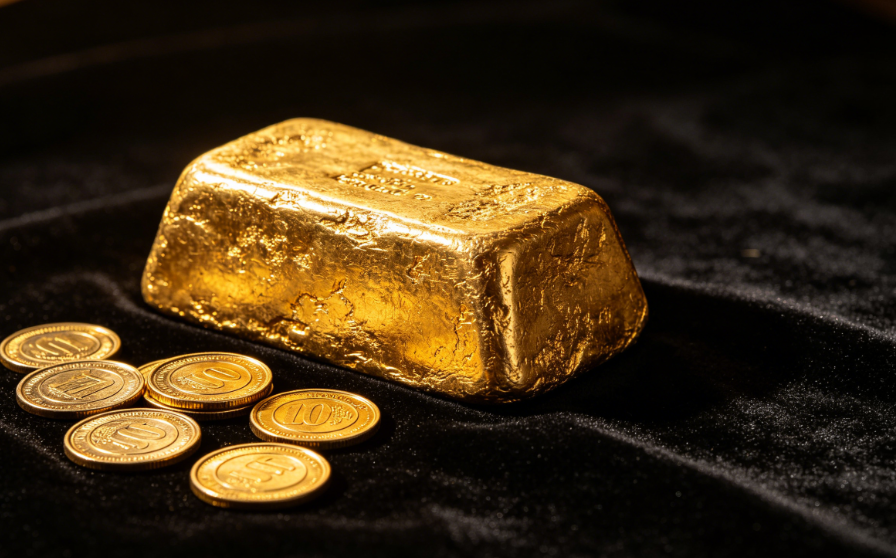
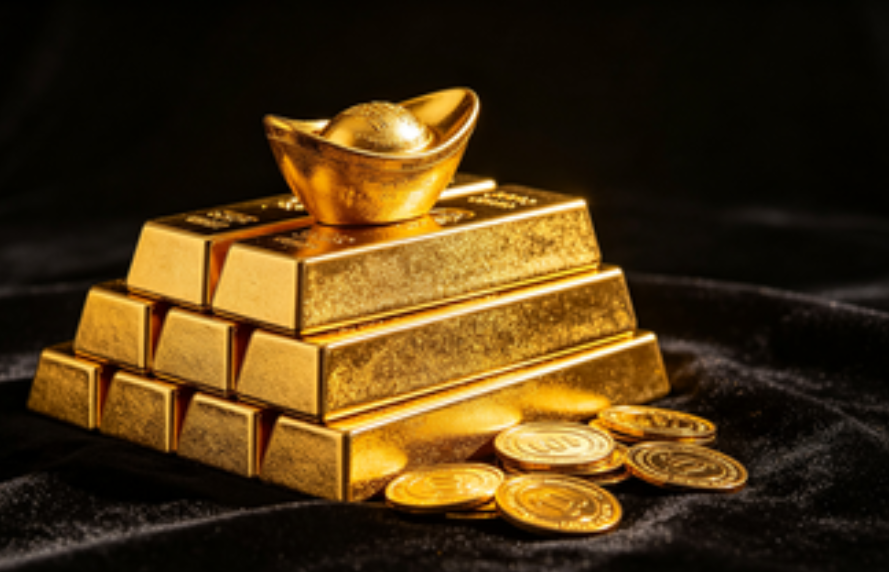
For many investors, physical gold is the most intuitive choice. This includes gold bars, bullion coins, and investment-grade gold pieces. Gold coins like the American Eagle, Canadian Maple Leaf, and Chinese Panda are popular among beginners because they are easy to buy, verify, and sell. Physical gold offers direct ownership—you can hold it in your hand, store it securely, and it carries no counterparty risk (meaning its value does not depend on the stability of a bank or financial institution).
While physical gold provides peace of mind, it does require secure storage (such as a home safe or bank safety deposit box) and may have higher transaction fees compared to other options. It’s also important to note that gold jewelry is not an ideal investment, as it includes high design and processing fees that reduce its resale value.
2. Gold ETFs: Convenient and Cost-Effective
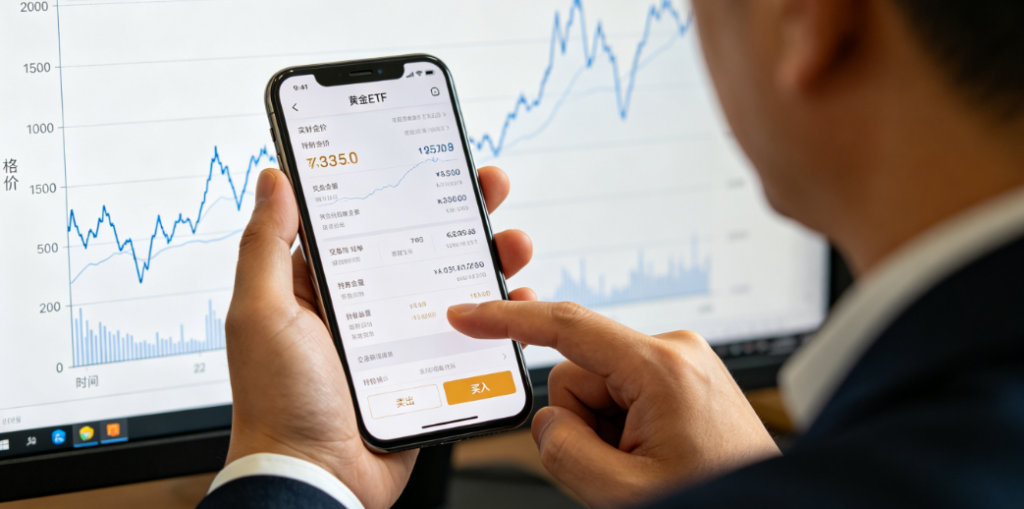
Gold Exchange-Traded Funds (ETFs) are a popular choice for beginner investors seeking convenience and low costs. These funds trade on stock exchanges like individual stocks and track the price of gold, with each share representing a small amount of physical gold. Gold ETFs eliminate the need for storage and offer high liquidity—you can buy or sell shares at any time during market hours.
With low management fees (typically 0.3% to 0.5%) and a low entry barrier (many ETFs allow investments of $50 or less), gold ETFs are accessible to nearly everyone. Popular options include SPDR Gold Shares (GLD), the world’s largest gold ETF, and iShares Gold Trust (IAU).
3. Gold Mutual Funds: Professional Management
Gold mutual funds are managed by professional fund managers who invest in a variety of gold-related assets, including physical gold, gold mining stocks, and gold futures. These funds are ideal for investors who want professional guidance and prefer a hands-off approach to investing.
Gold mutual funds offer diversification across multiple gold-related investments, reducing the risk of relying on a single asset. However, they typically have higher management fees than ETFs, so it’s important to compare fees and performance before investing.
Understanding Gold Price Movements
While gold is a stable long-term investment, its price does fluctuate in the short term. Several key factors influence gold prices, helping investors make more informed decisions:
- U.S. Dollar Strength: Gold is priced in U.S. dollars globally. A strong dollar makes gold more expensive for investors using other currencies, reducing demand and pushing prices down. Conversely, a weak dollar increases demand for gold, driving prices up.
- Geopolitical and Economic Uncertainty: Gold is often called a “safe haven” asset because demand for it rises during times of crisis. Geopolitical tensions, recessions, global pandemics, or political instability can all increase investor demand for gold, boosting its price.
- Interest Rates: When interest rates are low, gold becomes more attractive because it does not pay interest—investors are less likely to choose interest-bearing assets like bonds. High interest rates, on the other hand, can reduce demand for gold as investors seek higher returns from other assets.
- Supply and Demand: Gold is a scarce resource, and mining production is limited. Increases in demand (from investors, jewelry, or industry) or decreases in supply can drive gold prices up, while oversupply or reduced demand can push prices down.
Beginner Tips for Gold Investing
If you’re new to gold investing, these simple tips can help you get started on the right foot:
- Start Small: You don’t need to invest a large amount of money to begin. Many ETFs and mutual funds allow you to start with small contributions, so you can build your investment over time.
- Focus on the Long Term: Gold is a long-term investment. Avoid trying to “time the market” by buying and selling based on short-term price fluctuations. Holding gold for 5-10 years or more allows you to benefit from its long-term value and weather short-term volatility.
- Diversify Your Portfolio: Gold should be part of a balanced portfolio, not your only investment. Financial experts recommend allocating 5-15% of your portfolio to gold, with the rest invested in stocks, bonds, and cash.
- Choose Reputable Platforms: When buying gold, use regulated institutions like banks, licensed gold dealers, or established stock exchanges. Avoid unregulated online platforms, which may pose fraud risks.
The Timeless Value of Gold
Gold’s appeal lies in its ability to transcend time and economic change. It has been a symbol of wealth and security for thousands of years, and its role in modern finance remains as important as ever. For investors, gold offers a simple, reliable way to protect wealth, diversify portfolios, and prepare for the future.
Whether you choose physical gold, ETFs, or mutual funds, the key to successful gold investing is patience, discipline, and a long-term mindset. Gold is not a get-rich-quick scheme—it is a timeless asset that rewards those who approach it with care and foresight. By understanding its history, its role in the economy, and the options available, you can harness the power of gold to strengthen your financial future.