Gold: A Precious Asset Through History and Modern Times
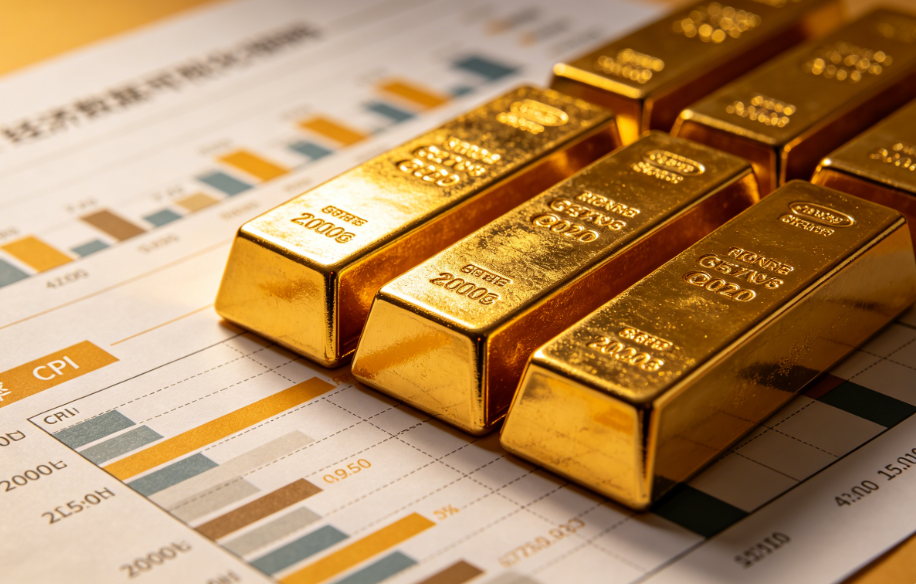
Few assets have captured the human imagination quite like gold. For thousands of years, this lustrous, malleable metal has been revered across cultures, serving as a symbol of wealth, power, and permanence. Unlike fleeting trends or volatile financial instruments, gold’s intrinsic value and unique properties have made it a constant in an ever-changing world. From ancient civilizations to modern investment portfolios, gold continues to play a vital role, offering stability, security, and opportunity for investors of all levels. This article explores gold’s rich history, its relevance in today’s economy, and why it remains a valuable addition to any investment strategy.
Gold in History: A Timeless Symbol of Wealth
Gold’s journey as a precious asset dates back to ancient times. As early as 3000 BCE, the Egyptians began mining gold and crafting it into jewelry, ceremonial objects, and even currency. They viewed gold as the embodiment of the sun god Ra, associating it with immortality and divine power. In ancient Mesopotamia, gold was used to facilitate trade, while the Greeks and Romans minted gold coins to unify their empires and fund their armies.
During the Middle Ages, gold became a cornerstone of the global economy, with kings and nobles hoarding it to secure their wealth and influence. The discovery of gold in the Americas in the 15th and 16th centuries transformed global trade, flooding Europe with the metal and reshaping economic power dynamics. Later, the gold standard—where currencies were backed by physical gold—became the foundation of the global monetary system, ensuring stability and trust in international transactions until the 20th century.
Why Gold Stands Out in Today’s Economy
In a digital age dominated by cryptocurrencies, stocks, and complex financial products, gold remains a standout asset for three key reasons:
- Intrinsic Value: Unlike fiat currencies, which derive value from government decree, gold has inherent worth due to its scarcity, durability, and unique physical properties. It does not corrode, tarnish, or degrade over time, making it a reliable store of value for generations.
- Safe Haven Asset: When economic uncertainty rises—whether due to inflation, recessions, geopolitical tensions, or global crises—investors turn to gold as a safe haven. Its value tends to rise when other assets, such as stocks or bonds, decline, providing a buffer against market volatility.
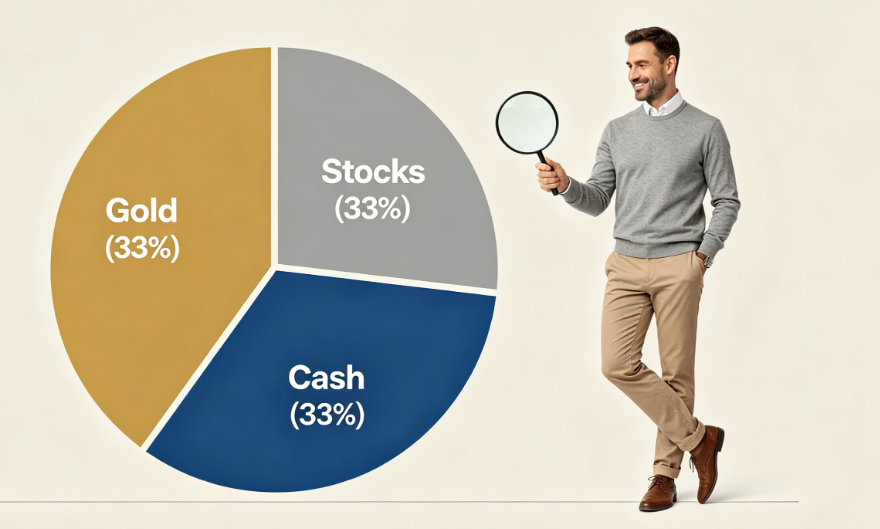
- Portfolio Diversification: Gold has a low correlation with traditional assets, meaning it does not move in lockstep with stocks or bonds. Adding gold to a portfolio helps reduce overall risk, creating a more balanced and resilient investment strategy that can weather economic downturns.
Gold in Modern Industry and Daily Life
Beyond its role as an investment, gold is a critical component in many modern industries. Its excellent conductivity, malleability, and resistance to corrosion make it indispensable in electronics, where it is used in smartphones, computers, and renewable energy technologies like solar panels. Gold is also used in dentistry for fillings and crowns, and in the medical field for diagnostic tools and treatments.
In addition, gold remains a popular choice for jewelry, with demand from cultures around the world driving a significant portion of the global gold market. While jewelry is primarily a consumer good, it also serves as a form of informal investment for many people, allowing them to hold wealth in a tangible, aesthetically pleasing form.
How to Engage with Gold: Options for Every Investor
Investing in gold is accessible to everyone, regardless of budget or experience. Here are the most common and beginner-friendly ways to add gold to your portfolio:
1. Physical Gold
Physical gold, such as gold bars, bullion coins, and investment-grade gold ingots, is the most traditional way to invest. It offers direct ownership, with no counterparty risk—meaning its value does not depend on the stability of a bank or financial institution. Popular gold coins for beginners include the American Eagle, Canadian Maple Leaf, and South African Krugerrand, which are easy to buy, sell, and verify. However, physical gold requires secure storage (such as a bank safety deposit box or home safe) and may have higher transaction fees.
2. Gold ETFs and Mutual Funds
Gold Exchange-Traded Funds (ETFs) and mutual funds are convenient, low-cost options for investors who want exposure to gold without owning physical metal. Gold ETFs trade on stock exchanges like individual stocks and track the price of gold, with each share representing a small amount of physical gold. Mutual funds, on the other hand, are managed by professionals who invest in gold-related assets, such as gold mining stocks or futures.
These options offer high liquidity, low fees, and no storage requirements, making them ideal for beginners. Popular gold ETFs include SPDR Gold Shares (GLD) and iShares Gold Trust (IAU), while gold mutual funds often focus on a diversified mix of gold-related investments.
3. Gold Mining Stocks
For investors seeking potential growth, gold mining stocks offer exposure to the gold market while also providing the opportunity for dividend income. These stocks represent shares in companies that mine, process, or explore for gold. While they are tied to gold prices, they also depend on the company’s performance, making them slightly riskier than physical gold or ETFs. However, they can offer higher returns if gold prices rise or the company’s operations are successful.
Key Factors That Influence Gold Prices
Understanding what drives gold prices can help investors make informed decisions. While short-term fluctuations are hard to predict, long-term prices are influenced by several key factors:
- U.S. Dollar Strength: Gold is priced in U.S. dollars globally. A strong dollar makes gold more expensive for investors using other currencies, reducing demand and lowering prices. A weak dollar, on the other hand, increases demand and drives prices up.
- Inflation and Interest Rates: High inflation erodes the value of fiat currencies, increasing demand for gold as a hedge. Low interest rates also make gold more attractive, as it does not pay interest and investors are less likely to choose interest-bearing assets like bonds.
- Geopolitical and Economic Uncertainty: Crises such as wars, political instability, recessions, or pandemics increase demand for gold as a safe haven, pushing prices higher.
- Supply and Demand: Gold is a scarce resource, with limited mining production. Increases in demand (from investors, industry, or jewelry) or decreases in supply can drive prices up, while oversupply or reduced demand can lower them.
Final Thoughts: Gold’s Enduring Value
Gold’s timeless appeal lies in its ability to adapt to changing times while maintaining its core value. From ancient civilizations to modern investors, it has proven to be a reliable store of wealth, a safe haven in times of crisis, and a valuable component of balanced portfolios. Whether you choose physical gold, ETFs, mutual funds, or mining stocks, gold offers a way to protect your wealth, diversify your investments, and build a more secure financial future.
For beginners, the key to successful gold investing is to start small, focus on the long term, and choose an option that aligns with your goals and risk tolerance. Gold is not a get-rich-quick scheme—it is a steady, reliable asset that rewards patience and discipline. By understanding its history, its role in the economy, and the options available, you can harness the power of this precious metal to strengthen your financial journey.