Simple Everyday Sleep Habits to Build Consistent, Restful Nights
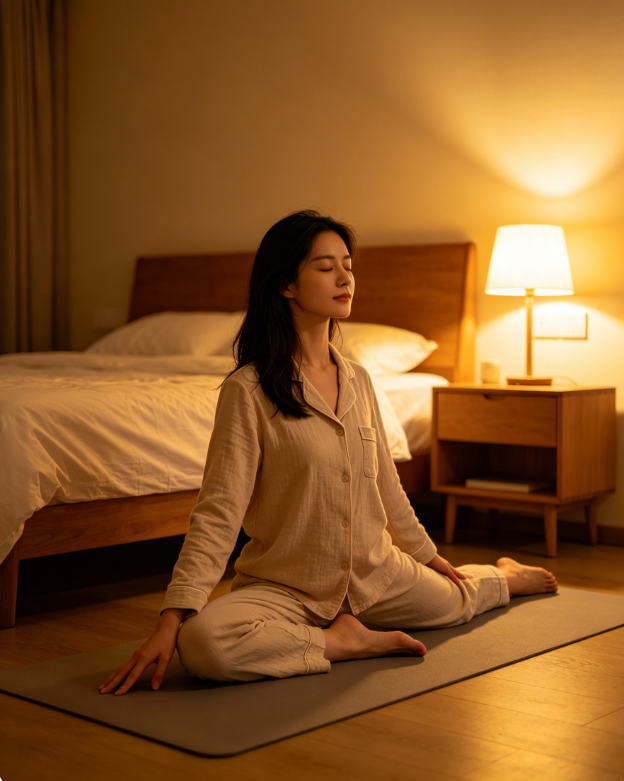
Good sleep is one of life’s most underrated sources of daily energy and emotional balance. When nights feel restless or mornings feel heavy, it is usually not due to complex factors, but to small daily patterns that slowly disrupt the body’s natural resting rhythm. The wonderful truth is that anyone can improve their sleep with easy, sustainable lifestyle changes. You do not need strict routines, expensive upgrades, or extreme self-discipline. Gentle adjustments to your daily schedule, pre-bed wind-down habits, and bedroom environment are enough to create steady, long-lasting improvements in sleep quality.
The foundation of better sleep is a regular daily routine. The human body follows a natural internal clock that responds best to consistent timing. Going to bed at vastly different hours throughout the week and sleeping in on days off confuses this subtle rhythm. Over time, people may spend enough hours in bed but still wake up feeling unrefreshed, sluggish, or unfocused. Instead of making sudden, difficult schedule shifts, gradual changes work far better for long-term success. Adjusting bedtime and wake time by 15 minutes every few days allows your body to adapt naturally. Keeping the same wake-up time every day, regardless of weekends or holidays, trains your system to feel tired at a steady hour each night, making sleep far more predictable.
Creating a calm pre-bed routine helps your mind and body transition smoothly from busy days to quiet nights. Most sleep difficulties begin when people remain mentally active right before resting. Racing thoughts, endless digital scrolling, and fast-paced entertainment keep the nervous system awake, even when the body feels physically tired. A short, simple wind-down ritual solves this problem gently. Spending 20 to 30 minutes on slow, peaceful activities helps signal to your brain that it is time to relax. Soft stretching, slow breathing, quiet reading, gentle background music, or tidying your bedside space can release daily tension and quiet mental clutter. These tiny, repeatable habits make falling asleep easier and more natural over time.
Small evening choices play a huge role in how restful your night becomes. Reducing screen exposure before bedtime supports smoother relaxation. Bright artificial light and constantly changing visual content keep the brain stimulated, delaying the body’s natural shift into rest mode. Switching to warm, dim lighting in the evening creates a softer, calmer home atmosphere that encourages winding down. Keeping dinners light and simple also supports better sleep comfort. Heavy, rich, or overly sweet evening meals create unnecessary digestive activity, which can make sleep feel shallow and restless. Reducing caffeine and sugary drinks after midday helps maintain a calm body state, preserving natural nighttime sleepiness.
Optimizing your bedroom environment is one of the easiest ways to upgrade your sleep experience. A sleep-friendly space removes subtle distractions and builds a mental association between your bedroom and relaxation. Consistent darkness is key to steady rest. Even small amounts of light from chargers, standby lights, window glares, or outdoor streetlights can disrupt smooth sleep cycles. Using blackout curtains, turning off idle electronics, and minimizing stray light helps create a deeply calming sleeping space.
Room temperature and quietness also greatly impact nightly comfort. A slightly cool, well-ventilated room supports more stable sleep than warm, stuffy air. Overheated bedrooms often lead to tossing and turning, while mild coolness helps the body settle into a relaxed state. For homes with unavoidable outside noise, soft ambient sound can mask sudden disruptions and keep the environment calm throughout the night. Clean, breathable bedding, a supportive pillow, and a clutter-free room add physical and mental comfort, allowing you to rest more peacefully from dusk until dawn.
Daytime lifestyle habits quietly shape nighttime sleep quality. Spending time outdoors in natural morning light helps regulate your internal rhythm, boosting daytime energy and encouraging earlier, gentler tiredness in the evening. Light daily movement, such as walking, stretching, or casual activity, eases built-up muscle tension and stress, creating ideal conditions for overnight rest. Short daytime naps are a great way to recharge, but longer naps or naps taken late in the afternoon can reduce nighttime sleep drive, making it harder to fall asleep on time.
Healthy sleep is always a product of gentle consistency, not perfection. Small daily choices—steady timing, calm evening rituals, mindful lifestyle adjustments, and a peaceful bedroom environment—slowly transform sleep quality over weeks and months. These sustainable habits create more restful nights, brighter mornings, and balanced energy that supports overall daily well-being. Better sleep is not a luxury—it is a simple lifestyle skill anyone can build.