Low-Effort Sleep Habits Anyone Can Build for Consistent Restful Sleep
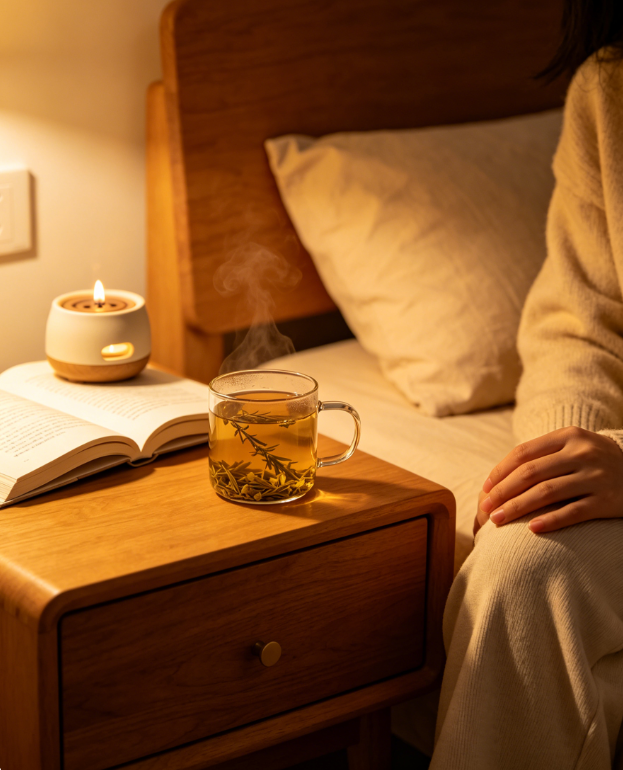
Sleep is the most accessible form of daily self-care. It supports steady energy levels, balanced moods, clear thinking, and overall daily comfort. Even without obvious health concerns, many people struggle with inconsistent sleep: taking too long to fall asleep, waking up often during the night, or feeling unrefreshed upon waking. Most of these small sleep disruptions come from chaotic daily routines, overstimulating evening habits, and unoptimized sleeping spaces, rather than severe physical issues. The best part is that improving sleep does not require strict discipline or drastic lifestyle changes. Simple, low-effort, repeatable adjustments to your schedule, bedtime routine, and bedroom environment can naturally create healthier and more stable sleep long-term.
A consistent sleep schedule is the core of sustainable good sleep. The human body follows a natural internal rhythm that relies on regularity to function well. Irregular sleeping patterns, such as staying up late on weekends and sleeping in late to compensate, break this natural cycle. This common habit creates a “rhythm gap” that leaves many people feeling tired and foggy, even after getting a full night’s sleep. Instead of forcing abrupt schedule changes that are hard to maintain, gradual adjustments work best. Shifting your bedtime and wake-up time by 15 minutes every few days allows your body to adapt gently. Sticking to the same wake time every day, including weekends, trains your internal clock to build predictable sleepiness at night and natural alertness in the morning.
Building a gentle bedtime wind-down routine helps separate busy daytime life from nighttime rest. The brain stays in active mode when exposed to nonstop work tasks, fast video content, and endless scrolling right before bed. This mental stimulation makes it difficult to relax instantly, even when your body feels fatigued. A simple 30-minute pre-bed ritual creates a clear mental signal for relaxation. Anyone can stick to easy, calming activities such as slow body stretching, relaxed breathing, reading a physical light-read book, listening to soft nature sounds, or tidying up the bedside area. These small actions release daily tension, quiet restless thoughts, and create a smooth transition into sleep mode.
Mindful evening habits greatly improve sleep quality without extra effort. Reducing screen exposure before dark is one of the most effective lifestyle tweaks. Bright artificial light and rapidly changing visual content keep the brain alert, delaying the body’s natural wind-down process. Replacing harsh overhead lights with warm, dim evening lighting helps create a soothing atmosphere that supports relaxation. Light and simple evening meals also benefit sleep. Heavy, rich, or sugary late meals keep the digestive system active, causing subtle nighttime discomfort and shallow sleep. Limiting caffeinated drinks and strong beverages after noon prevents unnecessary stimulation, protecting your natural sleep drive for the night.
Optimizing your bedroom environment is a low-cost, high-value way to enhance nightly rest. A sleep-centered space eliminates subtle distractions and helps your mind associate the bedroom purely with relaxation. Darkness plays a vital role in supporting continuous, stable sleep. Tiny light sources, including phone chargers, device standby lights, and outdoor street light leakage, can quietly interrupt deep sleep cycles. Using blackout curtains, turning off unused electronic devices, and removing stray light creates a calm, dark environment ideal for resting.
Room temperature and quietness are two underrated factors that shape sleep comfort. A slightly cool, well-ventilated room consistently delivers better sleep quality than warm, stuffy indoor spaces. Excess heat often causes tossing and turning, while mild coolness helps the body settle into a fully relaxed state. For people living in noisy neighborhoods, soft steady ambient sound can mask sudden traffic and environmental noises, keeping the sleeping atmosphere peaceful all night. Breathable bedding, a supportive pillow, and a clutter-free bedroom further eliminate physical pressure and mental distraction, making nightly rest far more comfortable.
Daytime lifestyle choices lay the foundation for better nighttime sleep. Spending time outdoors in natural daylight in the morning helps regulate the body’s internal rhythm, boosting daytime energy and encouraging natural sleepiness after sunset. Mild daily movement, such as walking, casual stretching, and light household activity, eases accumulated muscle tension and mental stress, creating better conditions for overnight rest. Short daytime naps are perfect for refreshing energy, but overly long naps or naps in the late afternoon can reduce nighttime sleep demand and disrupt regular sleep patterns.
Good sleep is always built on consistency rather than perfection. There is no need for rigid rules or exhausting self-discipline. Small, sustainable habits—stable daily timing, calming bedtime rituals, mindful evening choices, and a cozy, distraction-free bedroom—gradually improve sleep quality over time. By adopting these easy lifestyle adjustments, anyone can enjoy more restful nights, stable daily energy, and a calmer, healthier long-term lifestyle.