Calm Mind, Better Life: Practical Daily Tips for Stress Relief and Emotional Wellness

In fast-paced modern life, stress has become an inseparable part of daily routine. From endless work tasks and study pressures to trivial household affairs and subtle social tensions, countless small stressors accumulate day after day. Most people overlook these mild emotional fluctuations, treating tiredness, irritability, and anxiety as normal side effects of busy life. However, long-term unrelieved stress gradually disrupts emotional balance, disturbs sleep patterns, reduces work efficiency, and even weakens physical immunity. Cultivating simple, daily emotional regulation habits is the most reliable way to maintain long-term mental wellness, reduce internal friction, and keep a stable and positive life state.
Why Daily Stress Causes Long-Term Emotional Imbalance
Acute stress from major events is easy to detect and adjust, but chronic low-intensity daily stress is often ignored. Minor troubles, repeated decision-making, unmet daily expectations, and persistent overthinking keep the human nervous system in a continuous state of tension. Unlike sudden strong pressure, this subtle stress does not cause immediate emotional collapse, but slowly consumes mental energy over time.
As mental tension accumulates, people gradually develop typical sub-health emotional symptoms: easy irritability, frequent mood swings, difficulty concentrating, inability to relax after work, and vague inner emptiness. Many individuals force themselves to persist and maintain a positive appearance, but long-term emotional suppression only deepens inner contradictions. Eventually, trivial negative emotions may trigger extreme mood swings, affecting daily work, social interaction, and overall life quality.
Scientific Cognition of Healthy Emotional Regulation
True emotional wellness does not mean never feeling negative emotions. Frustration, worry, restlessness, and sadness are natural psychological responses of human beings when facing pressure and challenges. No one can maintain permanent positive emotions in all life scenarios.
The core of scientific emotional adjustment is to accept emotional diversity, allow temporary bad moods, and avoid excessive self-blame. Mental health lies in rapid emotional recovery rather than permanent emotional stability. People with good mental quality do not resist negative emotions; they learn to understand, release, and guide them rationally, so that moods can return to balance in a short time.
Easy Daily Practices for Stress Relief and Mood Stabilization
Excellent emotional management ability is not innate, but cultivated through daily trivial practices. The following low-cost, high-efficiency methods are suitable for all groups, can be integrated into busy daily life, and effectively relieve stress and soothe fluctuating emotions.
1. Three-Minute Reset Breathing Technique
When feeling anxious, flustered, or mentally confused, chaotic breathing will further aggravate inner tension. A short breathing reset can quickly calm the nervous system. Sit comfortably, relax your shoulders, close your eyes gently, inhale slowly through the nose for four seconds, hold your breath for two seconds, and exhale completely for six seconds. Repeat this cycle for three to five minutes.
This simple breathing adjustment reduces tension hormone secretion, relieves brain fatigue, interrupts anxious thought loops, and helps the mind regain clarity instantly. It is suitable for mood adjustment before work, after tasks, or during emotional breakdowns.
2. Emotional Emptying Through Recorded Self-Dialogue
Many inner troubles come from messy, unorganized thoughts that linger in the mind. Writing down all trivial worries, pressure, and negative feelings is an effective way to externalize inner emotions. During the recording process, people can sort out chaotic thoughts, distinguish real difficulties from unnecessary overthinking, and clearly see the root of emotional agitation.
This self-dialogue method does not require exquisite writing skills. Simple and real recording can empty mental pressure, reduce emotional accumulation, and let the mind regain lightness and peace. It is one of the most private and safe emotional healing methods.
3. Moderate Low-Intensity Movement to Relieve Mental Tension
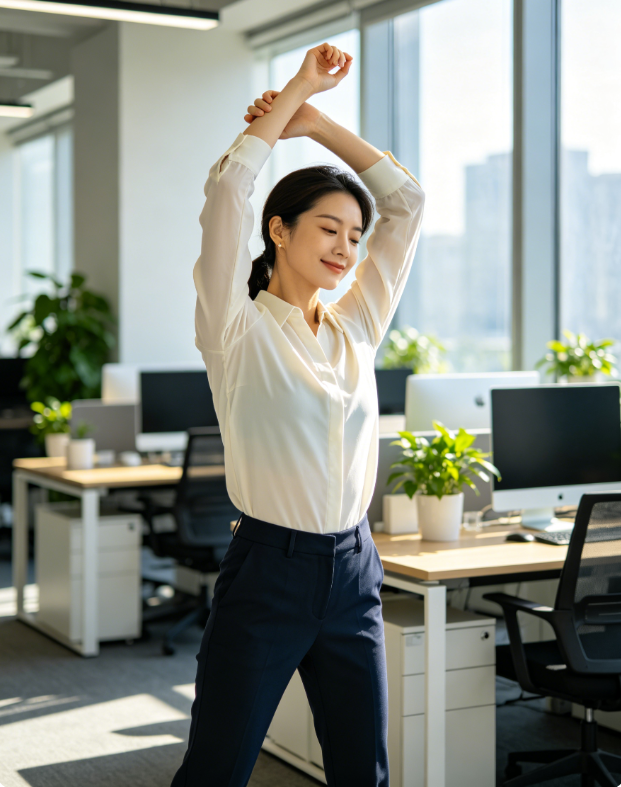
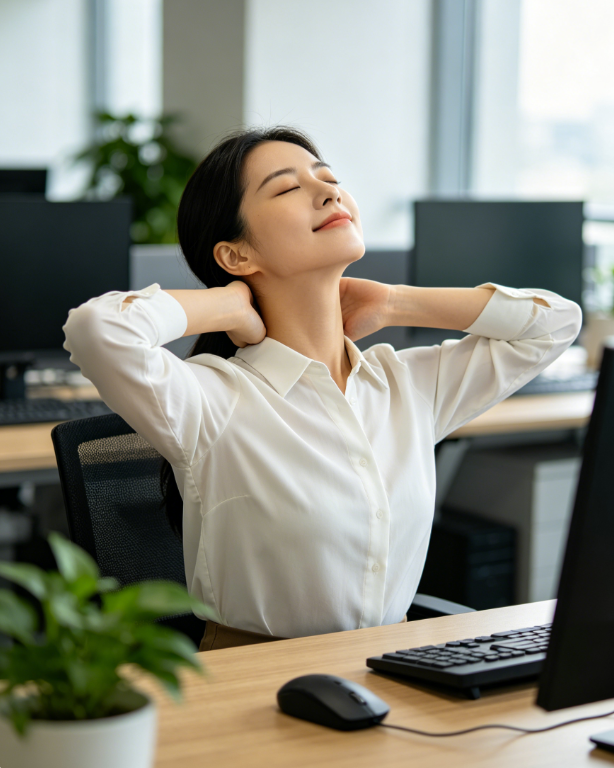
Physical activity is a natural stress reliever recognized by behavioral science. Long-term sitting and static work make blood circulation slow down, physical tension accumulate, and negative emotions difficult to release. Moderate low-intensity movements such as casual walking, slow stretching, shoulder and neck relaxation, and gentle yoga can effectively activate physical vitality, promote blood circulation, and stimulate the secretion of happy hormones.
Different from strenuous exercise that consumes physical strength, gentle daily movement relieves mental fatigue without causing physical exhaustion, helping people maintain stable emotional vitality throughout the day.
4. Information Detox to Reduce Invisible Anxiety
A large amount of modern emotional anxiety comes from excessive information input. Long-term browsing of fragmented content, competitive information, and negative news leads to frequent social comparison, self-doubt, and inner imbalance. Massive and complicated information interferes with self-cognition, making people easily confused and anxious.
Proper information detox is an important mental self-protection method. Appropriately reducing meaningless browsing, filtering negative information, and staying away from excessive social comparison can eliminate external interference, let the mind return to a stable state, and reduce invisible daily anxiety.
5. Build Flexible Work-Rest Balance
Many people’s mental pressure stems from extreme work states: either overworking continuously or indulging in passive rest after fatigue. Unbalanced work and rest modes break the body’s adaptive rhythm and aggravate emotional instability.
A healthy daily state requires flexible work-rest switching. Arrange focused work time reasonably, set fixed rest intervals, avoid long-term continuous mental consumption, and refuse blind busyness. Balanced rhythm allows the brain to get effective repair, maintains stable emotional regulation ability, and prevents stress accumulation.
6. Accumulate Warm Moments to Reshape Positive Mentality
Persistent stress easily makes people fall into negative cognitive stereotypes, ignoring the warm and positive parts of life. Actively capturing small beautiful moments in daily life can continuously accumulate positive psychological energy. Savoring a cup of warm drink, feeling outdoor natural light, listening to comfortable sounds, or enjoying quiet leisure time can soothe tired nerves and offset negative pressure.
These trivial warm experiences slowly change personal cognitive tendencies, make the mind more sensitive to happiness, and enhance inner resilience in the face of pressure.
Daily Mental Health Misconceptions That Need Correction
Many people’s emotional adjustment effects are weakened by wrong daily cognition. Correcting these misconceptions is the premise of stable mental wellness.
Silent endurance proves mental strength: Blind endurance is not strength, but emotional suppression. True mental toughness lies in active adjustment and rational release.
Good moods rely on external conditions: External gains and losses are unstable. Long-term emotional balance comes from inner adjustment and self-acceptance.
Busy life can eliminate negative emotions: Busyness only diverts attention temporarily. Unresolved emotions will erupt again once life slows down.
Mental adjustment is only needed for severe anxiety: Mental health focuses on daily prevention. Early adjustment of trivial stress can avoid severe emotional problems.
Positive Changes Brought by Long-Term Emotional Self-Care
Adhering to daily stress relief and emotional regulation will bring subtle but profound positive changes to the body and mind. In daily life, it can significantly improve sleep quality, enhance concentration and work efficiency, reduce mood swings, and make life more relaxed and orderly. In the long run, continuous mental exercise can cultivate stable psychological resilience, enable individuals to face setbacks and pressure calmly, and reduce the probability of emotional burnout and chronic anxiety.
People who master daily emotional management skills have more harmonious interpersonal relationships, higher life satisfaction, and more peaceful and mature personality traits. They can always maintain inner initiative and stability in trivial and busy life.
Conclusion
Mental wellness is a lifelong daily practice rather than occasional emergency healing. Daily stress and emotional fluctuations are inevitable in ordinary life, but everyone can take the initiative to adjust their state through scientific and simple lifestyle habits.
Through breathing reset, emotional emptying, gentle movement, information detox, balanced work-rest rhythm, and positive emotional accumulation, people can effectively resolve daily accumulated pressure, reduce internal mental friction, and maintain long-term emotional balance and mental health. A calm and stable mind is the core foundation of high-quality life, healthy physical state and positive personal growth.