The Importance of Oral Health: Prevention, Daily Care and Long-Term Wellness
Oral health is an essential pillar of overall human health and quality of life. A healthy mouth enables efficient chewing, clear speech, and natural facial expressions, while poor oral hygiene can lead to a variety of preventable dental issues, including cavities, gum inflammation, bad breath, and tooth loss. Beyond oral discomfort, long-term untreated dental problems can affect systemic health, potentially contributing to chronic inflammation and other health complications. With scientific daily care, healthy lifestyle choices, and regular professional dental maintenance, people of all ages can sustain stable oral health and maintain a confident, functional smile throughout their lives.
The Close Connection Between Oral Health and Overall Wellness
The mouth is the most active microbial environment in the human body. When daily cleaning is insufficient, harmful bacteria accumulate rapidly, forming sticky dental plaque that irritates tooth enamel and gum tissue. Mild oral problems such as bleeding gums and tooth sensitivity may seem trivial at first, but persistent bacterial infection can trigger continuous inflammation. Over time, oral bacteria may enter the bloodstream and affect other organs, making poor oral health a hidden risk factor for long-term physical health.
In addition to physical health impacts, oral conditions greatly influence mental and social well-being. People with unresolved dental issues often feel self-conscious during communication, avoid smiling freely, and even restrict their diet due to tooth pain or sensitivity. Maintaining clean and healthy oral conditions helps individuals stay more confident, comfortable, and socially active in daily life.
Scientific Daily Oral Care Routine for Everyone
Standard Tooth Brushing Practices
Brushing teeth twice daily is the most fundamental and effective way to maintain oral health. It is recommended to brush thoroughly for two minutes each time, using soft-bristled toothbrushes and fluoride toothpaste. Soft bristles protect delicate gum lines and avoid scratching tooth enamel, while fluoride strengthens enamel structure, resists acid erosion, and reduces cavity risks significantly. Gentle circular brushing along the gum line and every tooth surface ensures complete plaque removal without causing gum recession or enamel damage.
Many people only brush the outer surfaces of teeth, ignoring inner sides and back molars, which are the most prone to hidden plaque buildup. Covering all areas evenly during each brushing session greatly reduces the probability of tooth decay. Toothbrushes should be replaced every three months to ensure cleaning effectiveness and avoid bacterial contamination from worn bristles.
The Necessity of Daily Interdental Cleaning
Toothbrushes cannot clean the narrow gaps between teeth, where food residues and plaque accumulate easily. These hidden areas are the main cause of interproximal cavities and early gum disease. Daily flossing effectively removes residual particles and plaque between teeth, keeping interdental spaces clean and healthy. For those who find traditional floss difficult to use, water flossers and floss picks provide convenient and efficient alternatives for consistent daily cleaning.
Auxiliary Oral Hygiene Habits
Tongue cleaning is an indispensable part of comprehensive oral care. The rough surface of the tongue harbors large amounts of bacteria, which are the primary cause of persistent bad breath. Gentle tongue scraping every day reduces bacterial buildup and keeps the mouth fresh. Drinking sufficient water throughout the day helps dilute oral acid, flush away loose food debris, and prevent dry mouth, a common condition that accelerates tooth decay and gum irritation. Alcohol-free antibacterial mouthwash can be used moderately to further reduce plaque and maintain a balanced oral environment.
How Diet and Lifestyle Affect Oral Condition
Dietary habits directly determine long-term oral health quality. Frequent intake of sugary desserts, sweetened beverages, carbonated drinks, and high-acid snacks creates an acidic environment in the mouth. Harmful bacteria feed on sugar and produce acid substances that gradually erode tooth enamel, leading to tooth discoloration, sensitivity, and cavities. Continuous snacking and prolonged sipping of sweet drinks keep the mouth acidic for longer periods, accelerating dental damage.
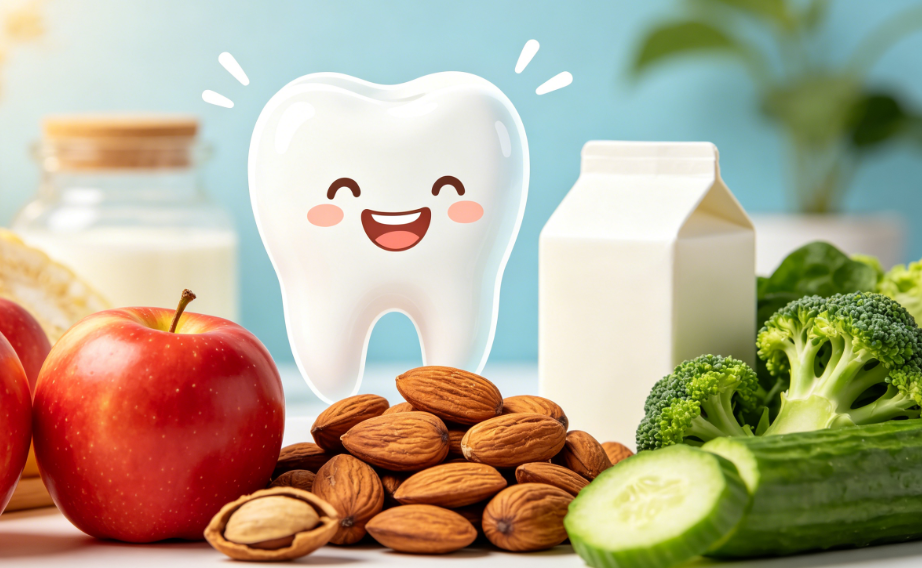
To protect oral health, it is advisable to reduce excessive sugar and acid intake, avoid frequent snacking between meals, and rinse the mouth with clean water after eating. Choosing tooth-friendly foods rich in calcium, fiber, and vitamins can strengthen teeth and gum tissue. Fresh vegetables, plain dairy products, and nuts promote saliva secretion, which naturally cleanses the mouth, neutralizes acid, and repairs minor enamel damage.
Unhealthy daily habits also harm oral health. Tobacco use causes tooth staining, chronic gum inflammation, and increased oral health risks. Habits such as teeth grinding, biting hard objects, and nail biting gradually wear tooth enamel and may cause tooth cracks and gum damage. Correcting these habits effectively protects long-term oral structure and health.
Common Oral Diseases and Effective Prevention Methods
Tooth Decay and Cavities
Cavities are one of the most prevalent preventable oral diseases worldwide. They develop when long-term plaque accumulation destroys tooth enamel and forms tiny holes on the tooth surface. Early cavities usually have no obvious symptoms, allowing damage to gradually reach the dentin and tooth pulp, causing severe toothache, infection, and even tooth loss. Consistent daily cleaning, reasonable diet control, and regular dental checkups are the most reliable ways to prevent tooth decay.
Gum Disease
Gum disease mainly includes gingivitis and periodontitis. Early gingivitis is characterized by red, swollen gums and bleeding during brushing or flossing, which is completely reversible with improved oral hygiene. Without timely care, it will develop into periodontitis, causing gum recession, alveolar bone loss, tooth loosening, and permanent tooth loss. Regular plaque and tartar removal are the core measures to prevent gum disease.
Bad Breath and Tooth Sensitivity
Most cases of bad breath result from bacterial accumulation, residual food debris, and dry mouth. Standard daily oral care can improve most mild halitosis problems. Tooth sensitivity is usually caused by thin enamel or exposed tooth roots, leading to tingling pain when encountering hot, cold, sweet, or sour stimuli. Using anti-sensitivity toothpaste and avoiding over-brushing can effectively relieve sensitivity symptoms.
The Value of Regular Professional Dental Care
Daily at-home oral care cannot remove hardened tartar or detect hidden oral lesions. Professional dental checkups and cleanings every six months are essential for maintaining optimal oral health. Dentists use professional tools to thoroughly remove tartar that cannot be cleaned at home, inspect hidden cavities, evaluate gum health, and screen for potential oral abnormalities at an early stage.
Regular dental visits help avoid minor oral problems from developing into complex, painful, and expensive dental conditions. Dental professionals provide personalized oral care suggestions according to different age groups and oral conditions, helping users correct wrong cleaning habits and achieve targeted protection. Preventive treatments such as dental sealants and professional fluoride applications can effectively protect vulnerable teeth, especially for children and young adults.
Conclusion
Oral health is a lifelong health project that cannot be ignored. Healthy teeth and gums support daily eating, speaking, and social interaction, while good oral conditions also protect systemic physical health. Most oral diseases are caused by long-term neglect of daily hygiene and unhealthy living habits. By maintaining a scientific and standardized oral care routine, choosing a balanced diet, abandoning harmful oral habits, and adhering to regular professional dental examinations, everyone can maintain long-term stable oral health and keep a healthy, bright, and beautiful smile for life.