Renter-Friendly DIY: How to Make Reusable Gap Sealing Strips for Japanese Old Apartments
Introduction
A large number of low-rent Japanese one-room apartments are constructed with aging wooden frames and loosely fitted furniture. Tiny invisible gaps commonly exist between closet doors, window edges, and floor skirting lines. These narrow slits allow cold wind, fine dust, street noise, and even small insects to enter the living space, subtly reducing indoor comfort throughout the year. Since permanent caulking and strong adhesive sealants are prohibited in Japanese rental contracts, tenants cannot carry out irreversible sealing construction. Under such strict restrictions, a handmade reusable silicone gap sealing strip becomes an economical and renter-safe solution. Made from soft, easily shaped 100-yen store materials, this flexible tool blocks airflow, suppresses dust accumulation, and weakens external noise. Beyond its physical functions, this delicate handmade strip reflects the quiet Japanese living wisdom of gently repairing architectural imperfections without damaging the original structure.
Design Concept of the DIY Sealing Strip
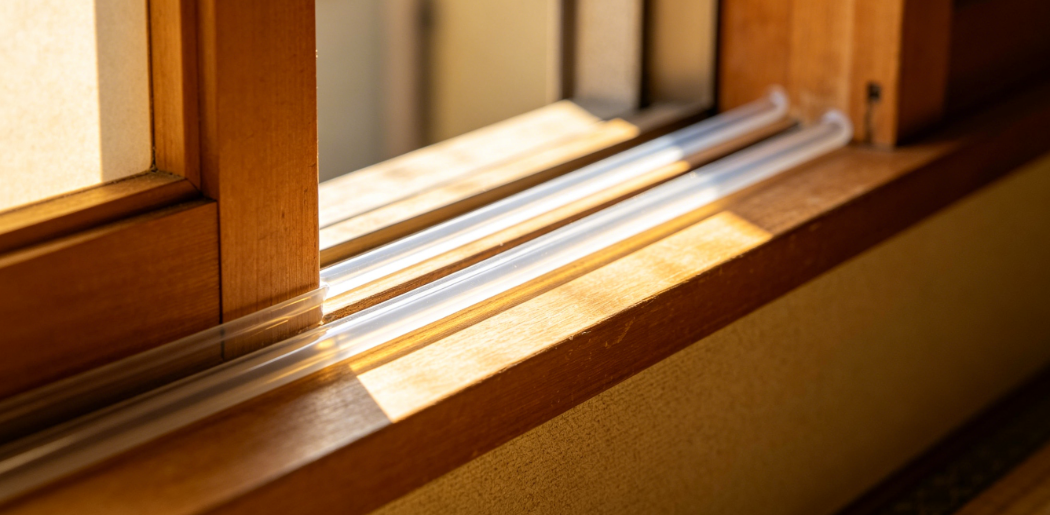
Unlike hard commercial sealing tapes that leave stubborn glue residue, this handmade gap strip adopts a soft elastic structure specially designed for fragile Japanese rental surfaces. It follows three core design principles: residue-free adhesion, flexible deformation, and weather durability. Japan’s fluctuating four seasons require the strip to endure winter cold contraction and summer thermal expansion without hardening or peeling. Additionally, the translucent minimalist appearance avoids ruining the plain interior tone of standard rental rooms. Instead of forcibly covering building defects, this low-profile tool fills vacant gaps softly, maintaining the original texture of borrowed housing.
Required Materials (Available at Japanese 100-Yen Stores)
- Transparent raw silicone rubber tape (one roll)
- Soft thin foam cushion sheets
- Removable nano adhesive film (no-residue type)
- Mini plastic rounding scissors
- Alcohol cleaning wipes for surface preparation
Step-by-Step Production Procedure
Step 1: Clean and Measure Target Gaps
Wipe window edges, closet seams, and floor gaps with alcohol wipes to remove dust and oil stains. Old Japanese apartment frames often accumulate invisible mold spores and dirt; thorough cleaning ensures stable later adhesion. Use a measuring tape to record the length and thickness of each gap. Most indoor slits range from two to six millimeters, requiring customized strip thickness for perfect fitting. This precise measurement habit embodies the meticulous spatial awareness embedded in Japanese daily housing maintenance.
Step 2: Layer and Combine Foam and Silicone Materials
Cut the foam sheet into slim long strips according to measured gap width. Foam serves as the inner buffer layer for compression and noise absorption. Then trim the transparent silicone rubber tape to wrap the foam completely. The outer silicone layer provides waterproof and dustproof performance, while the inner foam enhances elasticity for uneven curved gaps. This double-layer composite structure is intentionally handmade, as pre-made commercial strips rarely fit irregular old apartment seams.
Step 3: Round the Edges for Smooth Deformation
Use small scissors to trim sharp corners into smooth rounded edges. Rounded prevent the strip from curling or peeling when doors and windows frequently open and close. In humid Japanese coastal seasons, smooth edges also reduce dust adhesion and make daily wiping easier. Every subtle cut aims to extend durability and maintain long-term sealing stability inside high-humidity rental environments.
Step 4: Attach Removable Nano Adhesive for Installation
Paste thin nano adhesive film on one side of the composite strip. Unlike permanent glue, this reusable adhesive can be peeled off cleanly without leaving yellow marks on wooden frames or painted walls. Align the strip slowly along the gap and press gently to expel internal air bubbles. The soft material naturally fits uneven frames, achieving seamless covering without damaging the original rental components.
Daily Usage and Functional Advantages
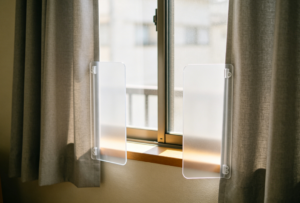
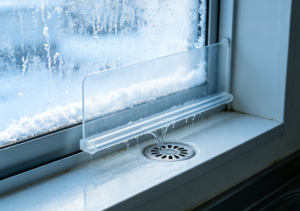
This handmade sealing strip brings comprehensive invisible improvements to rental living quality. In winter, it blocks icy outdoor wind from leaking through window slits and increases indoor temperature without extra electricity consumption. During Japan’s damp rainy season, it prevents humid air and tiny bugs from creeping into closet storage areas, protecting clothes and textiles from mildew. Moreover, the elastic composite material weakens low-frequency street noise and vibration, offering quieter sleeping conditions for light sleepers. When moving out, all strips can be removed within minutes, leaving no trace for apartment inspections.
Broader Reflection: Gentle Maintenance in Borrowed Homes
In Japan’s rigid rental system, tenants are not allowed to renovate aging buildings, yet they must endure inherent structural defects. This simple sealing strip represents a balanced solution between restriction and comfort. Instead of rebuilding flawed frames, residents create soft auxiliary layers to patch spatial vulnerabilities. This passive modification culture reveals the traditional Japanese aesthetic of accepting imperfection.
Furthermore, producing such trivial tools helps urban renters regain a sense of control. In standardized, monotonous rental rooms, people often feel detached from their living surroundings. Cutting, combining, and attaching strips turn passive living into active maintenance. These tiny handmade behaviors build a subtle emotional bond between residents and their temporary shelters.
Conclusion
The reusable DIY gap sealing strip is a modest yet powerful rental tool in Japan. With cheap accessible materials, simple manual processing, and traceless installation, it effectively blocks dust, wind, moisture, and noise in aging apartments. It proves that high-quality rental living does not require expensive renovation or replacement. Through careful handmade optimization, even flawed old buildings can become warm, airtight, and livable private spaces. Ultimately, this miniature tool interprets the core of Japanese rental philosophy: living gently, modifying softly, and respecting the boundary of borrowed space.