Gold: More Than a Shiny Metal—Its History, Uses, and Investment Value
Gold is a metal like no other. For thousands of years, it has stood out for its warm, unchanging luster, incredible durability, and natural rarity. Unlike iron that rusts or silver that tarnishes, gold remains bright and intact, even after centuries. This unique combination of beauty and resilience has made it a symbol of wealth, stability, and value across every culture and era, from ancient civilizations to modern times.
Found deep in the Earth’s crust, gold is one of the rarest metals on our planet. It forms over millions of years through intense geological processes—extreme heat, pressure, and the mixing of specific minerals. Most gold is mined from underground deposits, where it is often mixed with other rocks and requires careful extraction. Some gold can also be found in riverbeds, washed there by water over time. Its scarcity is a key reason for its high value: there is only a limited amount of gold in the world, and demand for it has always been strong.
Throughout history, gold has played a central role in human society. Ancient Egyptians used it to craft royal jewelry, burial masks, and temple decorations, believing it was the “flesh of the gods” and a symbol of eternal life. In ancient Rome, gold coins were the backbone of the empire’s economy, used to trade goods and pay soldiers. In many Eastern cultures, gold was a sign of prosperity and nobility, worn by royalty and used in important ceremonies. Even today, gold remains a universal symbol of wealth and success.
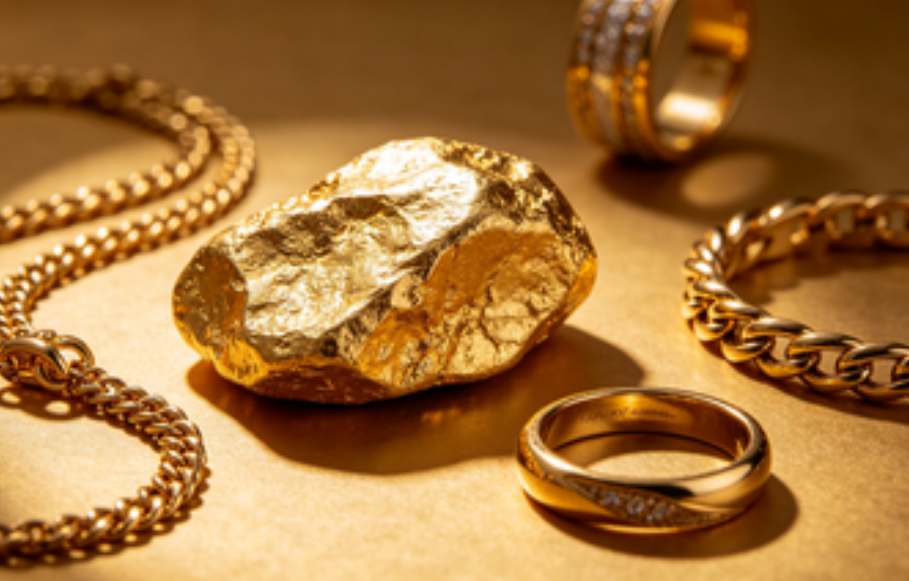
In the modern world, gold has many practical uses beyond its decorative appeal. It is an excellent conductor of electricity, making it essential for electronics like smartphones, computers, and medical devices. Its resistance to corrosion also makes it valuable in dentistry and aerospace technology—gold is used in fillings, crowns, and even spacecraft parts. Of course, gold is still most famous for jewelry: from simple gold necklaces to elaborate wedding bands, it is a popular choice for its timeless beauty and ability to complement any style.
One of the most important roles of gold today is as an investment. It is widely known as a “safe haven” asset, meaning it holds its value or increases in value when the economy is unstable. When stock markets crash, currencies lose value, or there is geopolitical tension, investors turn to gold to protect their money. Unlike paper currency or stocks, gold is a tangible asset that is not tied to any single country or government, making it a reliable store of wealth.
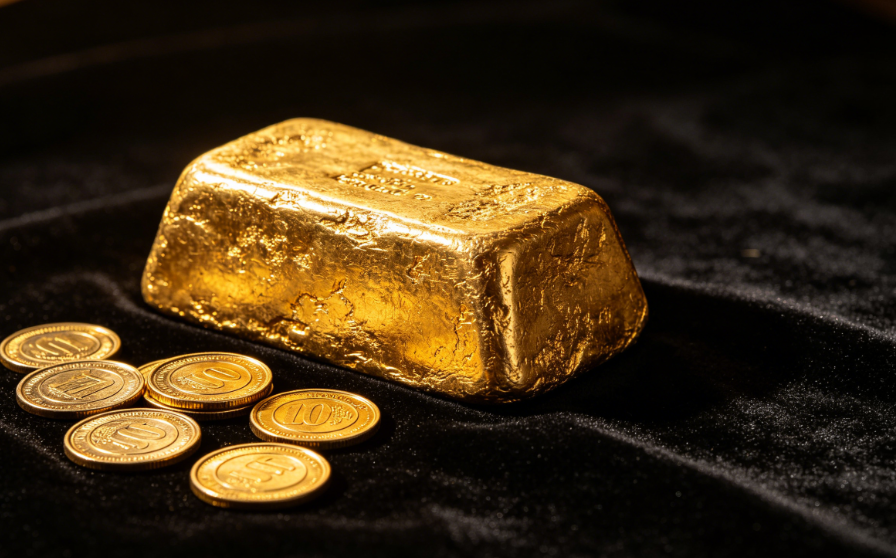
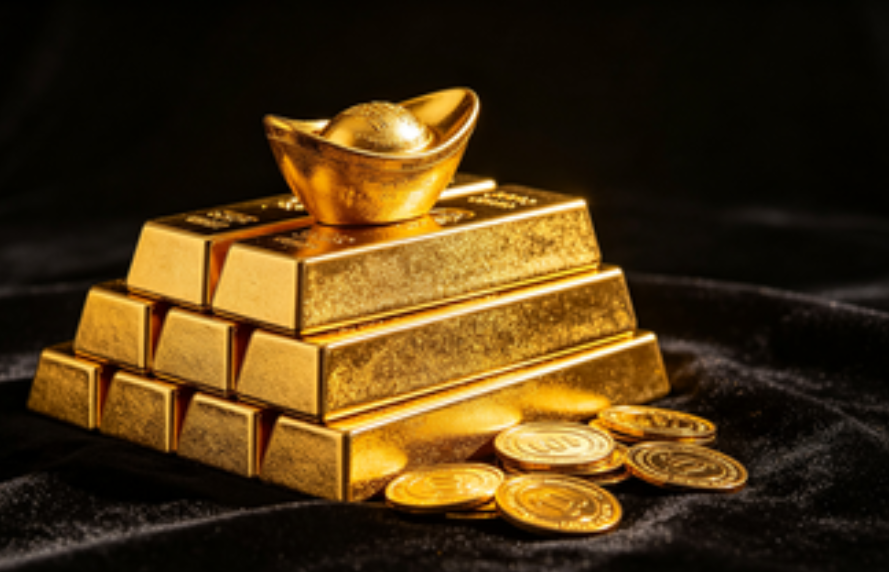
Investing in gold is easy and accessible for everyone. There are several simple ways to invest: you can buy physical gold, such as small bars or coins, which you can store securely at home or in a safe deposit box. For more convenience, you can invest in gold exchange-traded funds (ETFs), which track the price of gold and can be bought or sold like stocks. Gold jewelry is also a popular option, though it often includes extra costs for design and craftsmanship.
The price of gold is influenced by a few key factors. Global economic conditions are a major driver—when inflation rises (making money worth less) or interest rates fall, gold becomes more attractive. Geopolitical tensions, like wars or trade disputes, also push gold prices up as investors seek safety. Additionally, supply and demand play a role: gold production grows slowly, while demand for investment and industrial use continues to rise.
Gold’s enduring appeal comes from its ability to adapt to changing times while staying true to its core value. It has been a symbol of wealth for kings and commoners alike, a vital tool in industry, and a source of beauty for generations. In a world of constant change, gold remains a steady, reliable anchor—a metal that has earned its place as one of humanity’s most cherished treasures.