Gemstones: Nature’s Sparkling Gifts with Timeless Appeal
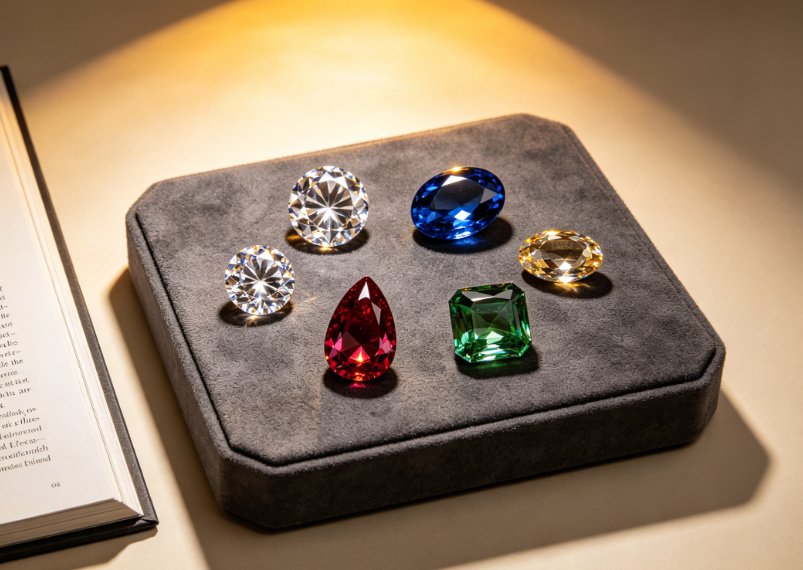
Gemstones are nature’s most dazzling creations—colorful, luminous, and rare minerals that have fascinated humans for thousands of years. From the brilliant sparkle of diamonds to the rich green of emeralds, the deep blue of sapphires to the soft purple of amethysts, each gemstone has a unique beauty shaped by millions of years of geological processes. These precious stones are not just decorative; they carry cultural meanings, symbolize emotions, and hold value that transcends time.
Gemstones are typically divided into two main groups: precious and semi-precious. Precious gemstones are the rarest and most valuable, consisting of diamonds, rubies, sapphires, and emeralds. These four gems are known as the “Big Four” in the gem world, prized for their exceptional durability, vivid colors, and scarcity. Semi-precious gemstones are more common but still stunning, including amethyst, topaz, garnet, peridot, turquoise, and opal. While the line between the two categories is not strict, it is often based on rarity, hardness, and historical importance.
What makes each gemstone unique is its set of characteristics: color, clarity, cut, and carat weight. Color is often the most striking feature—for example, the most valuable rubies are a deep, vivid red, while top-quality emeralds have a rich, intense green. Clarity refers to the absence of flaws or inclusions inside the gem; the fewer flaws, the more valuable the stone. The cut of a gemstone affects its brilliance, as a well-cut stone reflects light perfectly to create that signature sparkle. Carat weight measures the size of the gem, with larger stones being rarer and more valuable.
The formation of gemstones is a slow and remarkable process that takes place deep within the Earth. Most gemstones form under extreme conditions—high pressure, high temperatures, and the right combination of minerals. Diamonds, for example, form over 100 miles below the Earth’s surface, where carbon atoms are squeezed together under immense pressure to create their hard, crystalline structure. Emeralds form in metamorphic rocks, where elements like beryllium and chromium mix to produce their distinctive green color. It can take millions, even billions, of years for these processes to create a single gemstone.
Throughout history, gemstones have held deep cultural and symbolic meanings. In ancient civilizations, gemstones were often linked to gods and royalty. The ancient Egyptians used lapis lazuli to decorate tombs and jewelry, believing it symbolized power and divine protection. The Greeks associated sapphires with wisdom and loyalty, while rubies were seen as symbols of love and courage. In many Eastern cultures, jade is revered as a symbol of purity, prosperity, and longevity. Today, gemstones still carry emotional weight—diamonds are a symbol of eternal love in engagement rings, while emeralds represent growth and new beginnings.
Gemstones are also popular as jewelry, collectibles, and even investments. Many people wear gemstone jewelry to add beauty to their outfits and express their personal style. For collectors, rare and high-quality gemstones are prized for their uniqueness and potential to appreciate in value over time. Investing in gemstones requires some knowledge, as factors like rarity, color, and clarity directly impact their worth. However, for most people, gemstones are cherished for their emotional value—whether passed down as family heirlooms or given as gifts to mark special occasions.
Caring for gemstones is important to keep them looking their best. Different gemstones have different hardness levels (measured on the Mohs scale), so they require different care. Diamonds, the hardest gemstone, can be cleaned with mild soap and water, while softer gemstones like opals and pearls need gentle handling to avoid scratches or damage. Avoiding harsh chemicals, extreme heat, and direct sunlight will help preserve a gemstone’s beauty for years to come.
Gemstones are more than just shiny stones—they are a testament to nature’s creativity and power. They connect us to the Earth’s history, carry cultural traditions, and hold personal meaning for many. Whether admired for their sparkle, cherished for their symbolism, or collected for their value, gemstones remain a timeless treasure that continues to captivate people around the world.