Gold: The Timeless Asset Shaping History and Modern Finance
For millennia, gold has stood as a beacon of value, resilience, and universal appeal. Unlike any other asset, it has woven itself into the fabric of human civilization—serving as currency, a symbol of power, a tool for industry, and a trusted haven for wealth. Its unique physical properties—scarcity, malleability, resistance to corrosion, and brilliant luster—have made it irreplaceable, transcending economic shifts, political upheavals, and cultural differences. This article delves into gold’s enduring legacy, its critical role in today’s world, and why it remains a cornerstone of smart investing for people of all backgrounds.
A Journey Through Time: Gold in Human Civilization
Gold’s story begins over 5,000 years ago, with the earliest evidence of its use in ancient Egypt. The Egyptians mined gold from the deserts and Nile River, crafting it into ornate jewelry, royal regalia, and burial offerings. They revered it as the “flesh of the gods,” believing it to symbolize immortality and divine power. Across the ancient world, gold became a universal medium of exchange: Mesopotamian merchants used it to trade goods, Greek city-states minted gold coins to fund armies, and Roman emperors relied on it to unify their vast empire.
The Middle Ages saw gold become a status symbol for nobility, who hoarded it to display wealth and secure power. The Age of Exploration (15th–17th centuries) transformed the global gold market, as explorers discovered massive deposits in the Americas, Africa, and Australia. This influx of gold reshaped global trade, fueling economic growth and laying the groundwork for the gold standard—a system where national currencies were directly convertible to gold, ensuring stability in international transactions until the 20th century. Even today, gold retains its historical allure, connecting modern investors to a legacy of value that spans civilizations.
Gold in the Modern World: Beyond Jewelry and Wealth
While gold is often associated with luxury jewelry and investment, its practical applications in modern industry are equally vital. Its unique physical and chemical properties make it indispensable in sectors that drive our daily lives:
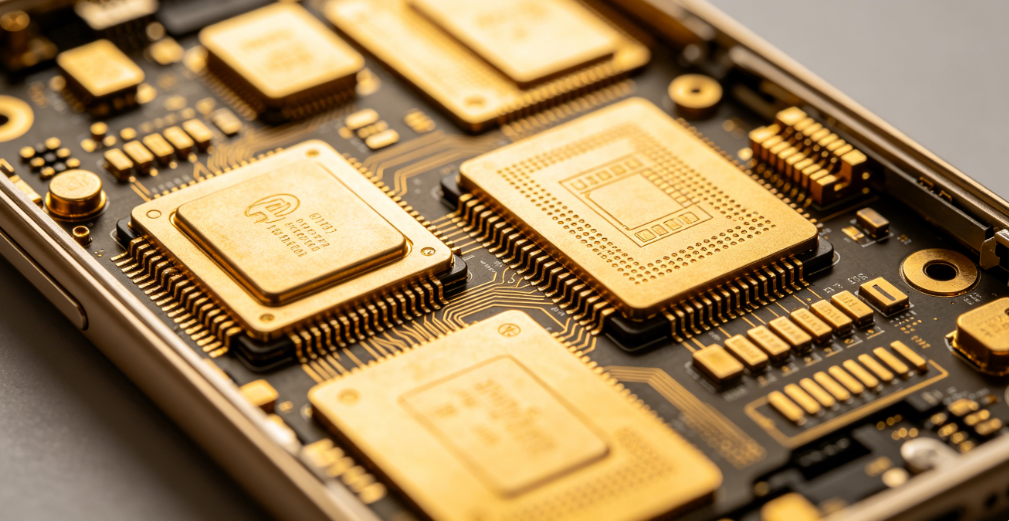
- Electronics: Gold is an exceptional conductor of electricity and does not tarnish, making it essential for smartphones, computers, tablets, and semiconductors. Even a single smartphone contains a tiny amount of gold—critical for ensuring reliable performance and longevity.
- Renewable Energy: As the world shifts to clean energy, gold plays a key role in solar panels and wind turbines. It enhances the efficiency of energy conversion and resists corrosion, making renewable technologies more durable and effective.
- Healthcare: Gold’s biocompatibility—its ability to coexist with the human body without causing harm—makes it ideal for medical devices, diagnostic tools, and even cancer treatments. Gold nanoparticles are used in imaging technologies to detect diseases early.
- Aerospace: NASA and other space agencies use gold to coat spacecraft and satellites. Its ability to reflect radiation and withstand extreme temperatures protects sensitive equipment in the harsh environment of space.
These industrial uses ensure that gold is not just a “precious metal” but a critical component of modern infrastructure, supporting its long-term demand and value.
Gold as an Investment: A Safe Haven for Every Investor
For investors, gold’s greatest value lies in its role as a safe haven asset—one that preserves wealth during times of uncertainty. Its popularity stems from three core advantages that make it accessible and reliable:
- Hedge Against Inflation: Inflation erodes the purchasing power of paper currencies, but gold has historically maintained its value over time. When the cost of goods and services rises, gold prices often follow, protecting investors from losing real wealth.
- Portfolio Diversification: Gold has a low correlation with traditional assets like stocks and bonds. This means that when stock markets crash or bond prices decline, gold often holds its value or even increases, reducing overall portfolio risk and creating balance.
- Universal Liquidity: Gold is recognized and traded in every corner of the world. It can be easily bought or sold through banks, dealers, or stock exchanges, ensuring that investors can access their wealth whenever they need it.
Simple Ways to Invest in Gold (For Beginners)
Investing in gold does not require a large budget or expert financial knowledge. Here are three beginner-friendly options to get started:
1. Physical Gold
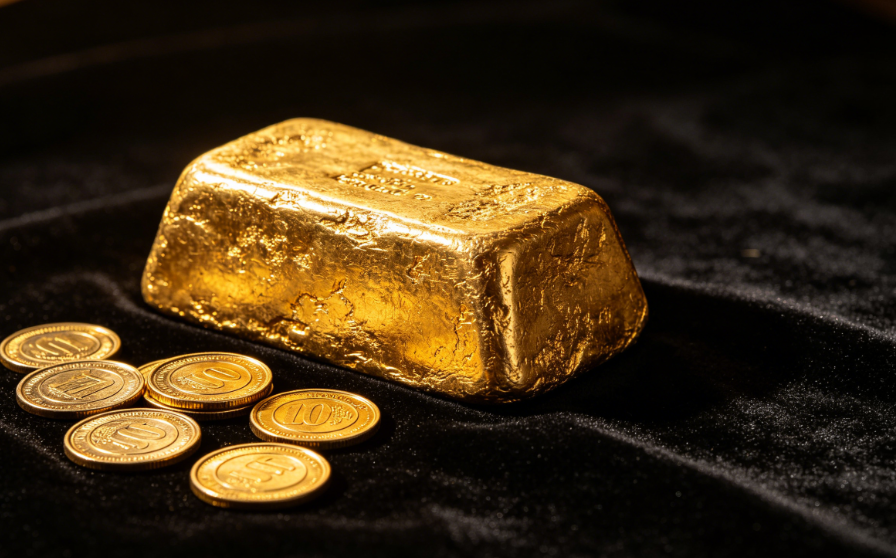
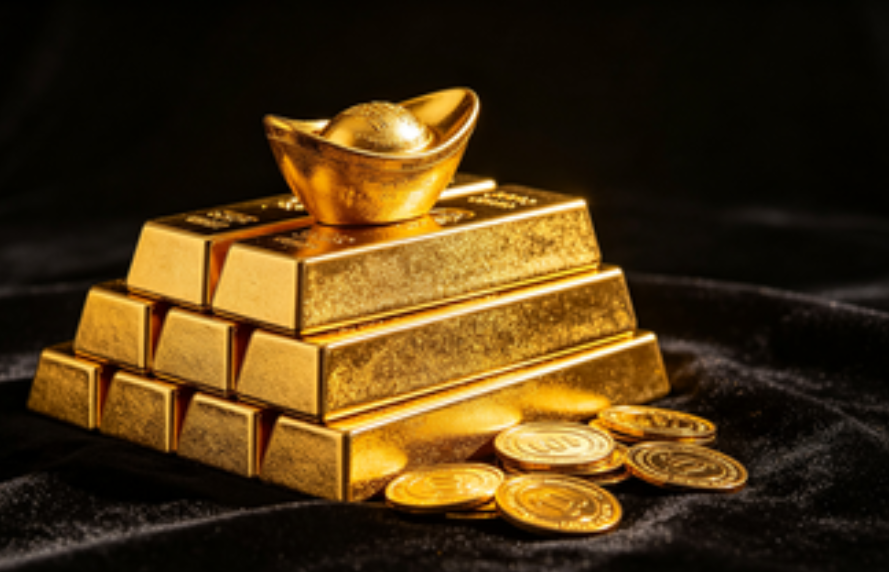
Physical gold—such as gold bars, bullion coins, and ingots—is the most traditional way to invest. Popular choices for beginners include the American Eagle, Canadian Maple Leaf, and Australian Kangaroo coins, which are easy to verify and sell. Physical gold offers direct ownership and no counterparty risk (its value does not depend on a bank or company), but it requires secure storage (like a safety deposit box) and may have higher transaction fees.
2. Gold ETFs
Gold Exchange-Traded Funds (ETFs) are a convenient, low-cost alternative to physical gold. These funds trade on stock exchanges (like individual stocks) and track the price of gold, with each share representing a small amount of physical gold. Gold ETFs eliminate the need for storage, have low management fees (usually 0.3–0.5% annually), and offer high liquidity. Popular options include SPDR Gold Shares (GLD) and iShares Gold Trust (IAU).
3. Gold Mutual Funds
Gold mutual funds are managed by professionals who invest in gold-related assets, such as gold mining stocks, futures, and physical gold. They are ideal for investors who prefer a hands-off approach, as the fund manager handles all investment decisions. While they have slightly higher fees than ETFs, they offer diversification across multiple gold-related investments, reducing risk.
What Drives Gold Prices?
Understanding the factors that influence gold prices can help investors make informed decisions. The main drivers include:
- U.S. Dollar Strength: Gold is priced in U.S. dollars globally. A strong dollar makes gold more expensive for investors using other currencies, reducing demand and lowering prices. A weak dollar increases demand, pushing prices up.
- Geopolitical and Economic Uncertainty: Wars, political instability, recessions, or global crises (like pandemics) increase demand for gold as a safe haven, driving prices higher.
- Interest Rates: Low interest rates make gold more attractive, as it does not pay interest—investors are less likely to choose interest-bearing assets like bonds. High interest rates can reduce demand for gold.
- Supply and Demand: Gold is a scarce resource, with limited mining production. Increases in demand (from industry, jewelry, or investors) or decreases in supply can push prices up.
Gold’s Timeless Appeal in a Changing World
In an age of digital currencies, complex financial products, and rapid technological change, gold remains a constant. Its enduring value comes from its unique combination of history, utility, and reliability. It is not just an investment—it is a tangible asset that connects the past to the present, a tool that powers modern industry, and a safe haven that protects wealth for future generations.
Whether you are a beginner investor looking to diversify your portfolio, a history enthusiast fascinated by its legacy, or someone curious about its industrial uses, gold offers something for everyone. By understanding its role in the world and choosing the right investment approach, you can harness the power of this timeless asset to build a more secure financial future.