Online Education: Redefining Learning in the Digital Era
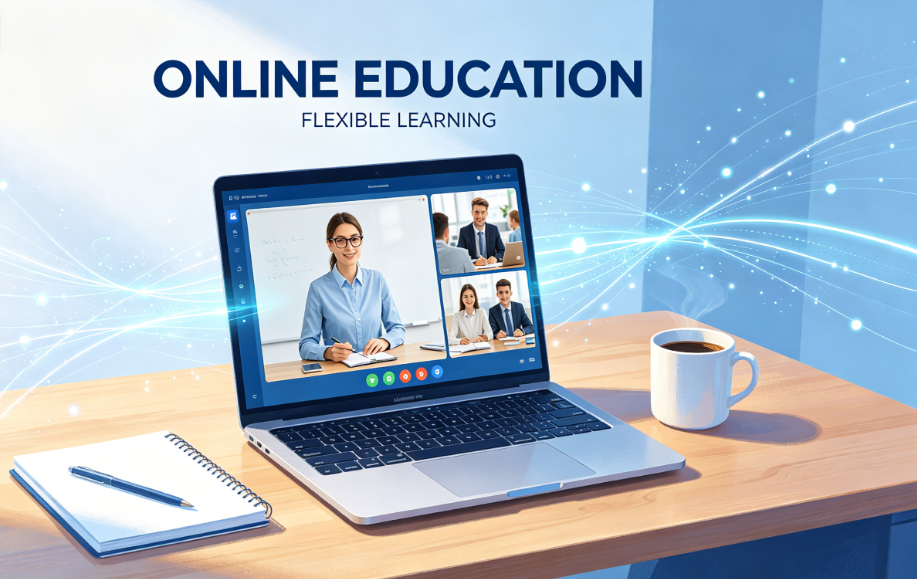
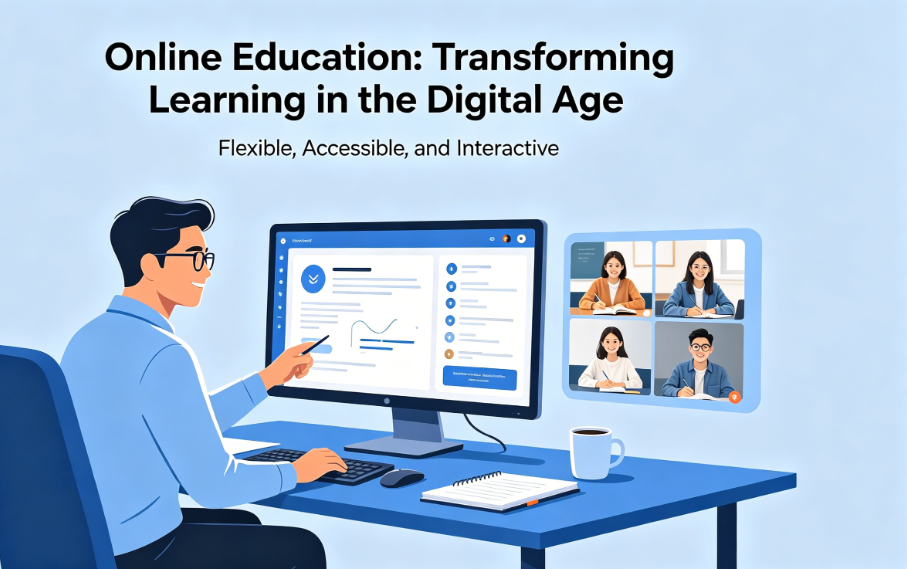
With the rapid advancement of digital technology, online education has reshaped the traditional landscape of learning, becoming an integral part of global education systems. It has broken the constraints of time and space, allowing learners of all ages and backgrounds to access quality educational resources anytime, anywhere, and has redefined what it means to pursue knowledge in a fast-paced, interconnected world.
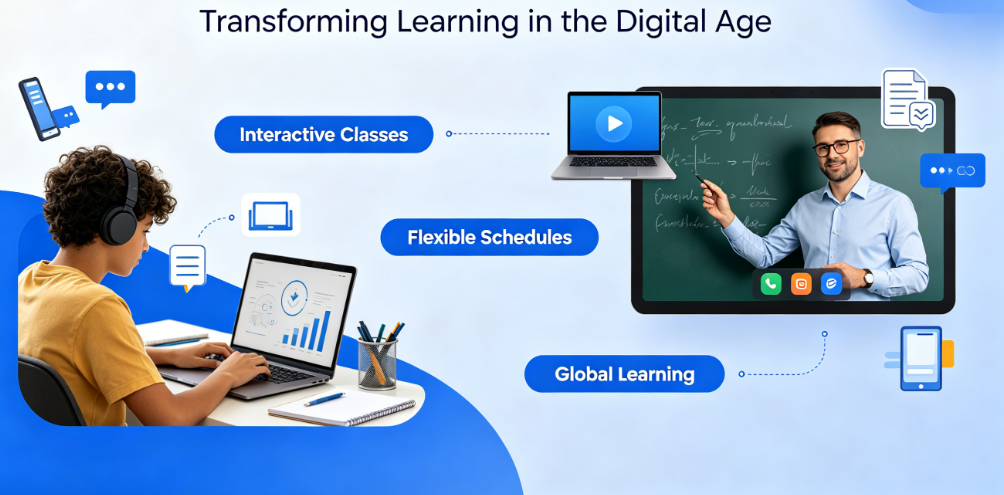
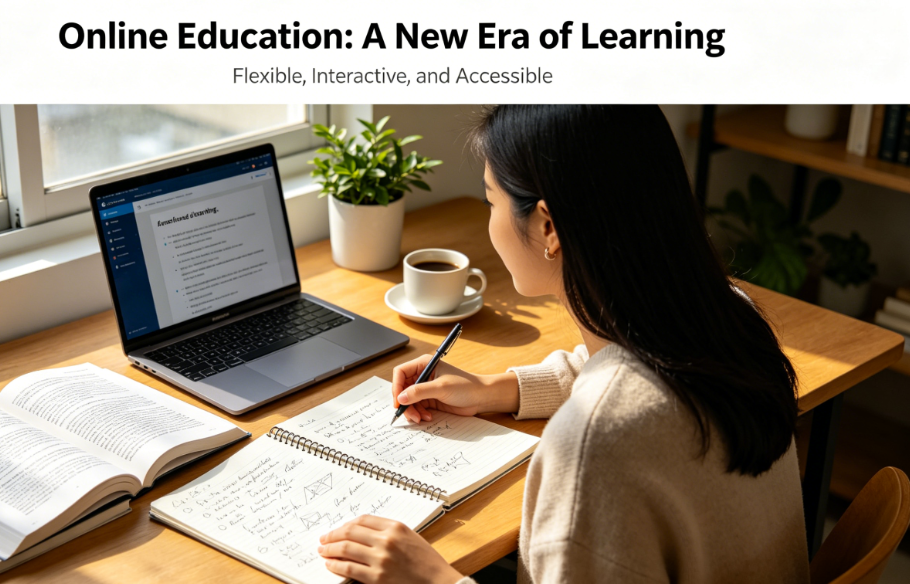
Online education, at its core, refers to the delivery of educational content, courses, and programs through digital platforms, including learning management systems, mobile applications, and virtual classrooms. Unlike traditional in-person education, it offers unmatched flexibility, enabling learners to tailor their study schedules to fit their personal and professional commitments. This flexibility is particularly beneficial for working professionals looking to upskill, stay-at-home parents, students with physical limitations, and lifelong learners who wish to pursue new interests without disrupting their daily lives.
One of the most significant advantages of online education is its accessibility. It bridges the gap between learners and top educational institutions, regardless of geographical location. A student in a remote rural area can now enroll in courses offered by world-renowned universities, while a professional in a busy city can access specialized training without commuting to a physical campus. This inclusivity has democratized education, making it accessible to individuals who might otherwise be denied the opportunity due to distance, cost, or other barriers.
The diversity of online educational offerings is another key strength. From short skill-building courses and professional certifications to full degree programs, online education caters to a wide range of learning goals. Learners can choose from subjects as varied as computer science, business management, language learning, art, and healthcare, allowing them to acquire new skills, advance their careers, or pursue personal passions. Many online courses are designed by industry experts and academic professionals, ensuring that the content is relevant, up-to-date, and aligned with real-world demands.
Technological innovations have greatly enhanced the online learning experience, making it more engaging and effective. Interactive elements such as video lectures, live webinars, discussion forums, quizzes, and virtual group projects create a dynamic learning environment that mimics the interaction of in-person classrooms. Artificial intelligence (AI) has also played a transformative role, with personalized learning algorithms that adapt to individual learning styles, track progress, and provide targeted feedback to help learners identify their strengths and weaknesses.
Online education also offers benefits for educators and educational institutions. It allows educators to reach a global audience, share their expertise with more learners, and update course content quickly to keep pace with industry changes. For institutions, online programs reduce the need for physical infrastructure and operational costs, making education more scalable and cost-effective. Additionally, digital platforms provide valuable data and analytics that help educators understand learner behavior and improve the quality of their teaching.
Despite its numerous advantages, online education is not without challenges. Self-discipline and time management are crucial for success, as learners must stay motivated and organized without the structure of in-person classes. Technical issues, such as unstable internet connectivity or limited access to digital devices, can also hinder the learning experience for some. Furthermore, the lack of face-to-face interaction may make it harder for some learners to build relationships with peers and instructors, which can impact engagement and support.
Looking to the future, online education will continue to evolve and innovate. The integration of virtual reality (VR) and augmented reality (AR) will create immersive learning experiences, making complex topics more vivid and memorable. Hybrid learning models, which combine online and in-person education, will also become more prevalent, offering the flexibility of online learning with the social interaction of traditional classrooms. As technology advances, online education will further break down barriers, making learning more inclusive, personalized, and accessible for all.
In conclusion, online education has revolutionized the way we learn, offering flexibility, accessibility, and diversity that traditional education cannot match. It has empowered millions of learners to pursue their educational goals, regardless of their circumstances, and has become a vital part of the global education system. While challenges remain, the continued innovation in online education will ensure that it remains a powerful tool for lifelong learning and personal growth in the digital era.