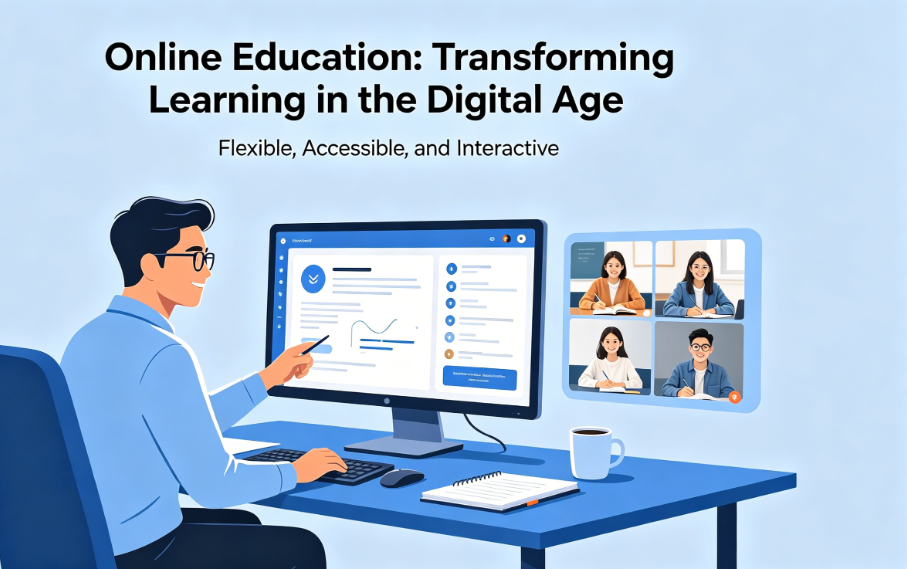
Online Education: Reshaping Learning in the Digital Age
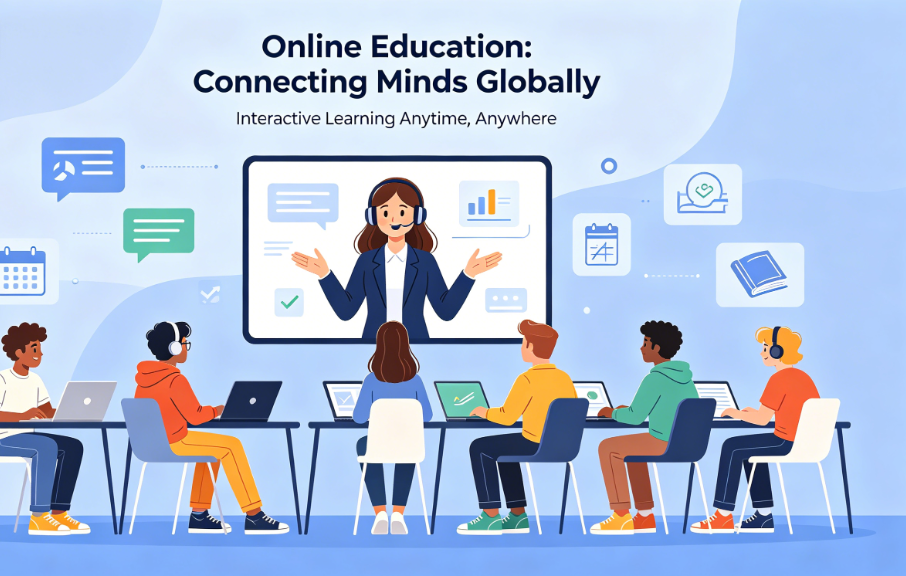
In the digital era, online education has emerged as a transformative force, redefining how people access knowledge, develop skills, and pursue educational goals. No longer limited by geographical boundaries or rigid schedules, online education has become a flexible, accessible, and inclusive alternative to traditional in-person learning, catering to diverse learners across all ages and backgrounds.
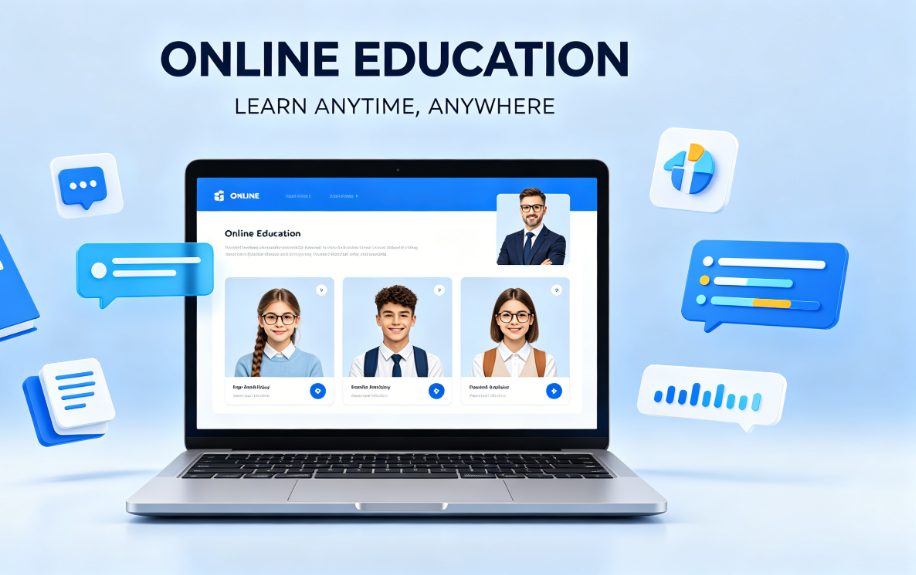
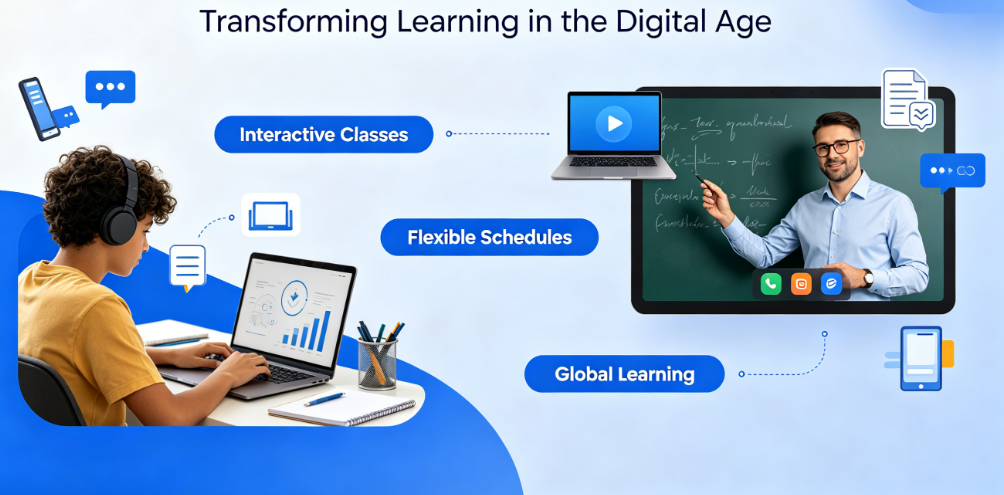
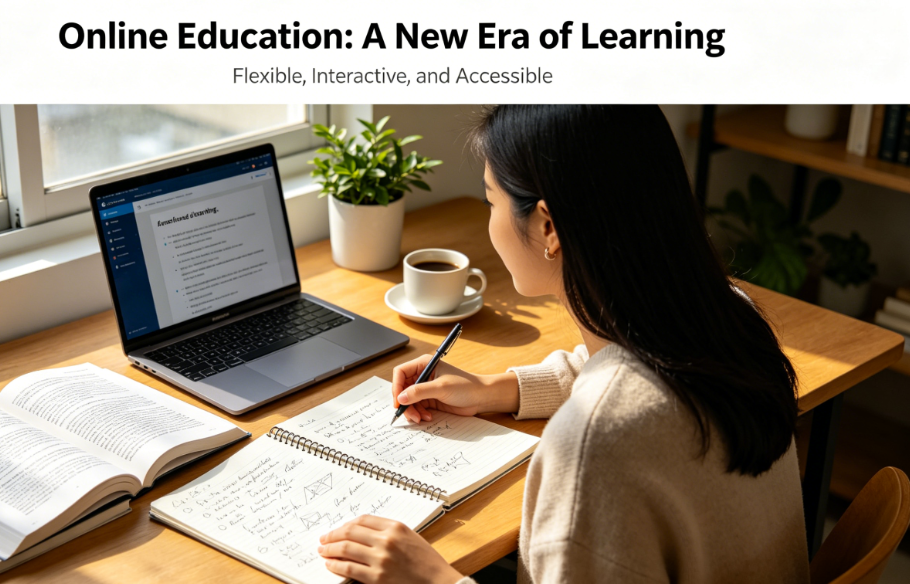
Online education refers to the delivery of educational content, courses, and programs through digital platforms—including learning management systems, video lectures, interactive modules, and virtual classrooms. Its core advantage lies in its flexibility: learners can study at their own pace, choose when and where to engage with the material, and tailor their learning journey to fit their personal and professional commitments. This flexibility is particularly valuable for working professionals seeking to upskill, stay-at-home parents, students with physical limitations, and lifelong learners who wish to explore new subjects without disrupting their daily lives.
One of the most significant benefits of online education is its accessibility. It breaks down the barriers that often prevent people from accessing quality education—such as distance, cost, and time constraints. A learner in a remote rural area can now enroll in courses offered by world-renowned universities, while a busy professional can complete a certification program outside of working hours. This democratization of education ensures that more people have the opportunity to pursue their educational goals, regardless of their location or circumstances.
The diversity of online educational offerings is another key strength. From short, skill-focused courses (such as digital marketing, coding, or language learning) to full degree programs and professional certifications, online education caters to a wide range of learning needs and interests. Courses are often designed by industry experts and academic professionals, ensuring that the content is relevant, up-to-date, and aligned with real-world demands. Many online courses also incorporate interactive elements—such as live webinars, discussion forums, quizzes, and group projects—that enhance engagement and deepen understanding.
Technological advancements have played a crucial role in elevating the online learning experience. Artificial intelligence (AI) is increasingly used to personalize learning: adaptive algorithms analyze a learner’s progress, identify knowledge gaps, and deliver tailored content to address their specific needs. Video lectures, virtual simulations, and augmented reality (AR) tools make complex topics more vivid and accessible, while learning management systems allow learners to track their progress, access resources, and connect with instructors and peers seamlessly.
For educators and educational institutions, online education offers numerous advantages. It allows educators to reach a global audience, share their expertise with more learners, and update course content quickly to keep pace with industry changes. For institutions, online programs reduce the need for physical infrastructure and operational costs, making education more scalable and cost-effective. Digital platforms also provide valuable data and analytics that help educators understand learner behavior and improve the quality of their teaching.
Of course, online education is not without its challenges. Self-discipline and time management are essential for success, as learners must stay motivated and organized without the structure of in-person classes. Technical issues—such as unstable internet connectivity or limited access to digital devices—can also hinder the learning experience for some. Additionally, the lack of face-to-face interaction may make it harder for some learners to build relationships with peers and instructors, which can impact engagement and support.
Looking ahead, online education will continue to evolve with technological advancements. Virtual reality (VR) and augmented reality (AR) will create more immersive learning experiences, while hybrid learning models—combining online and in-person education—will become increasingly prevalent, offering the best of both worlds. As digital technology continues to advance, online education will further break down barriers, making learning more personalized, inclusive, and accessible for all.
In essence, online education is more than just a convenient alternative to traditional learning—it is a powerful tool that empowers learners to take control of their education, pursue their passions, and adapt to the ever-changing demands of the modern world. It has reshaped the educational landscape, making lifelong learning a reality for millions and paving the way for a more educated, connected global community.