Why Civil Service Exams Matter: A Gateway to Serving the Public
Across the globe, civil service exams serve as a vital bridge between individuals aspiring to public service and careers that allow them to contribute to their communities and nations. These standardized examinations are more than just a recruitment tool—they are a commitment to fairness, meritocracy, and excellence in public administration. For many aspirants, preparing for and passing a civil service exam is a life-changing journey, marking the start of a career dedicated to serving the public good.
Civil service exams are designed to evaluate candidates on a range of critical skills and knowledge areas, ensuring that those who enter the public sector are well-equipped to handle the responsibilities of their roles. While the specific format varies by country, most exams include written assessments, oral interviews, and sometimes practical evaluations. The written portion typically covers general knowledge, current affairs, public policy, administrative law, and critical thinking, as these are essential for understanding and addressing the complex challenges of public service. Interviews, on the other hand, focus on assessing a candidate’s communication skills, ethical judgment, and commitment to public service.
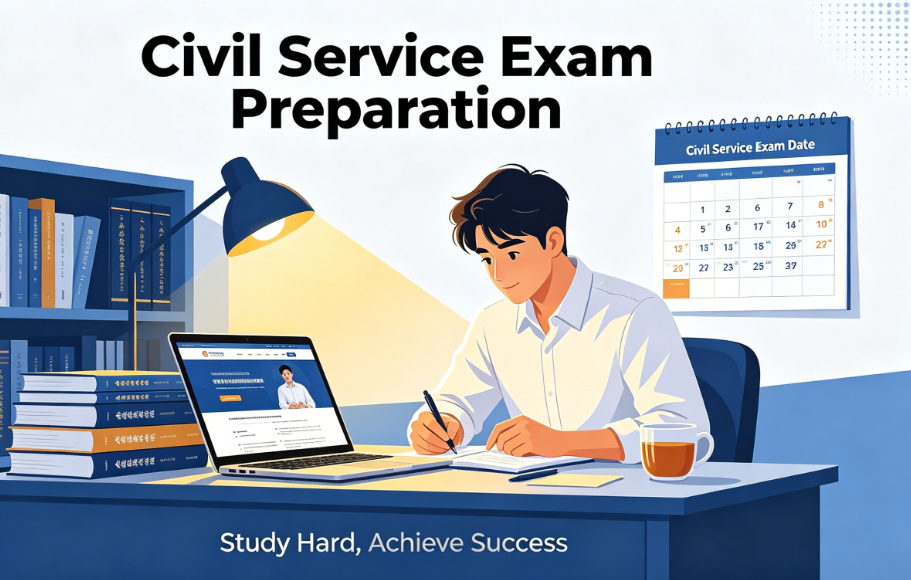
The path to passing a civil service exam is not easy. It requires months of dedicated study, unwavering discipline, and a strategic approach to mastering the extensive content. Aspirants often create detailed study schedules, review textbooks and reference materials, stay updated on national and international events, and practice with past exam papers to familiarize themselves with the format and difficulty level. Many also join study groups or seek guidance from experienced mentors, as the competition is often intense—with hundreds or even thousands of candidates vying for a limited number of positions.
Beyond the challenge of preparation, a career in civil service offers unique rewards. Unlike many private-sector roles, civil service positions provide long-term job stability, a steady income, and, most importantly, a sense of purpose. Civil servants work in diverse areas, including education, healthcare, public safety, and infrastructure, and their work directly impacts the lives of citizens. Whether it’s implementing a new education policy, improving access to healthcare, or ensuring public safety, civil servants play a crucial role in building a better society.
While civil service exams are widely recognized for their role in promoting meritocracy, they are not without criticism. Some argue that the exam content can be overly theoretical, creating a gap between what candidates learn and the practical skills needed on the job. Others note that the intense competition can lead to high levels of stress and burnout among aspirants. To address these issues, many countries are reforming their exam systems, updating the content to focus on practical skills and real-world scenarios, and providing more support for candidates during their preparation.
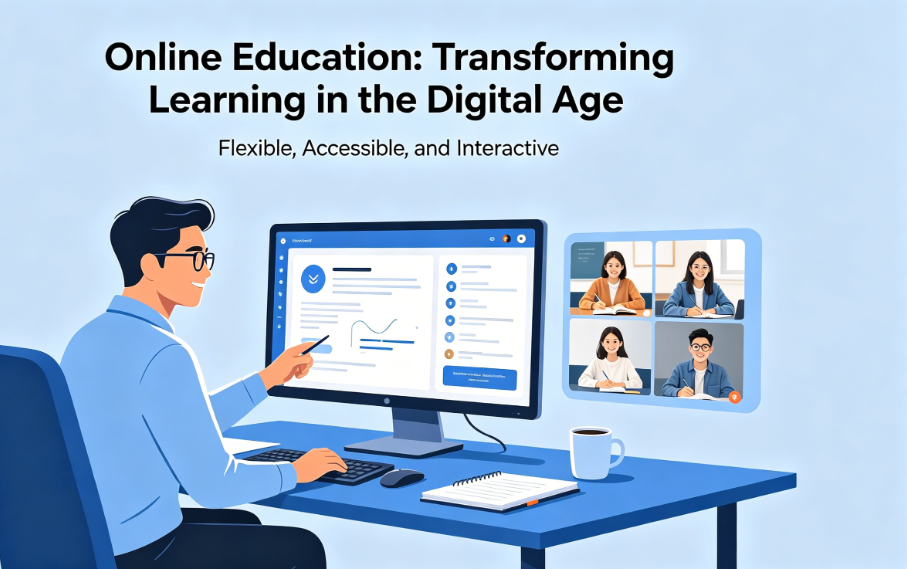
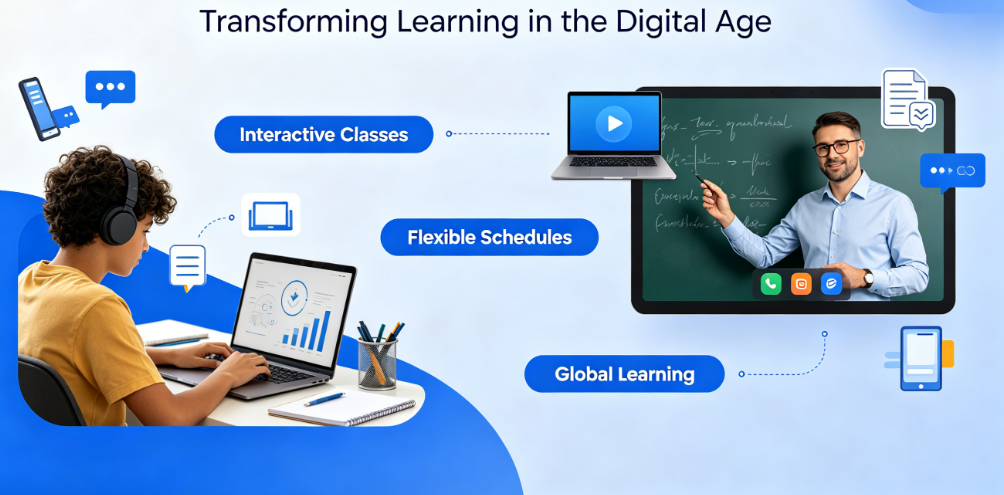
In the digital age, civil service exams are also evolving to meet the changing needs of public administration. Many exams are now conducted online, making the process more accessible and efficient. There is also a growing emphasis on assessing digital literacy and innovative thinking, as modern civil service roles require candidates to adapt to new technologies and find creative solutions to complex problems. This evolution ensures that the exam system remains relevant and effective in selecting candidates who can thrive in a rapidly changing world.
In conclusion, civil service exams are a cornerstone of fair and effective public sector recruitment. They provide a level playing field for all aspirants, ensuring that the best and most dedicated candidates are selected to serve the public. While the journey to passing these exams is challenging, it is a testament to the aspirants’ commitment to making a difference. For those who succeed, a career in civil service offers the opportunity to serve their country, improve the lives of others, and build a fulfilling professional legacy.