Civil Service Examinations: Pursuing a Career of Public Service
Civil service examinations are a fundamental part of recruitment for government and public sector positions around the world. They serve as a fair and standardized way to select candidates who possess the necessary knowledge, skills, and dedication to serve the public and support national development. For many people, these exams are not just a path to a stable career, but also an opportunity to contribute to society and make a meaningful difference in the lives of others.
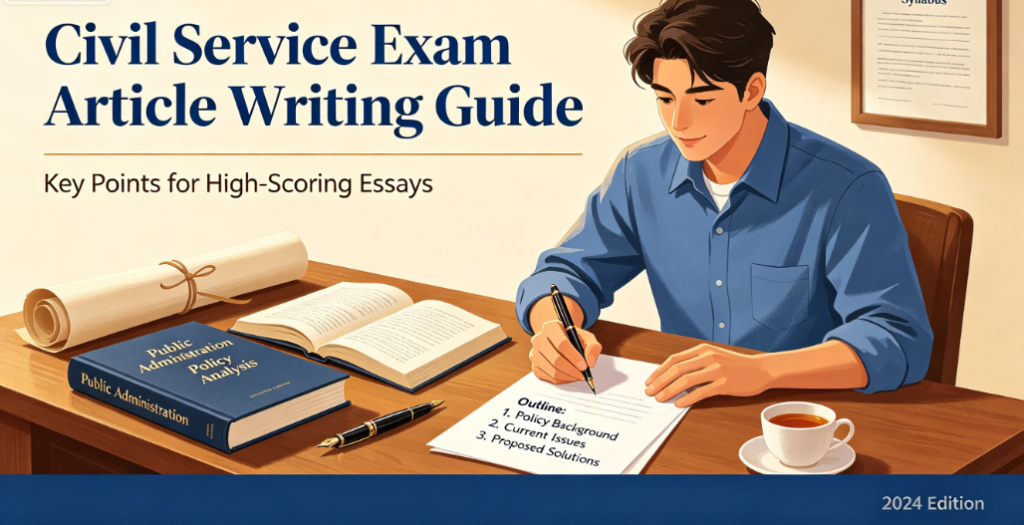
The structure and content of civil service exams vary from country to country, but they all share a common goal: to identify the most qualified individuals based on merit. Typically, the exam process includes written tests, interviews, and sometimes practical assessments. The written portion often covers a wide range of topics, such as general knowledge, current affairs, public administration, legal principles, and critical thinking. These subjects are designed to evaluate a candidate’s ability to understand complex issues, apply theoretical knowledge to real-world problems, and make sound decisions—key skills for any civil service role.
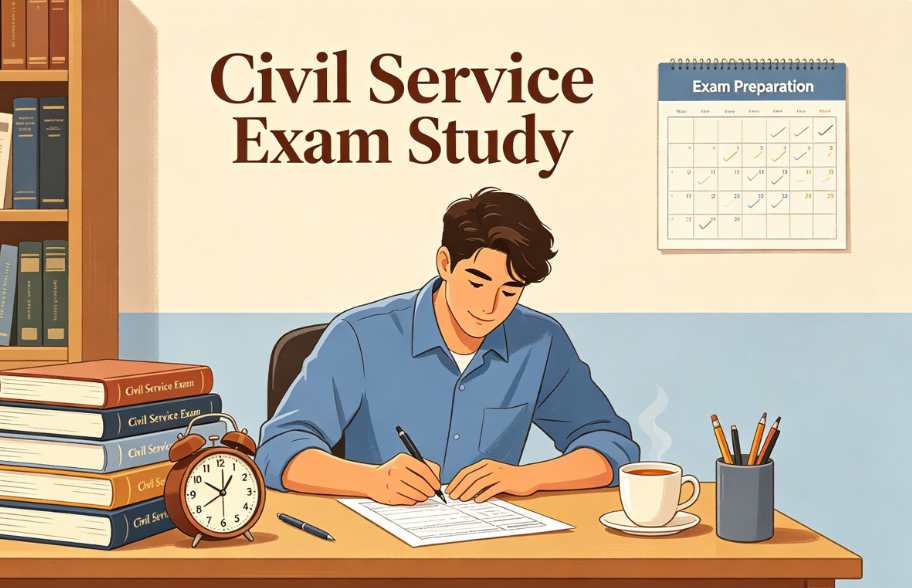
Preparing for civil service exams is a challenging and time-intensive process that requires great discipline and commitment. Aspirants often spend months or even years studying, as the competition is usually fierce. Many candidates create detailed study plans, review textbooks and reference materials, stay updated on the latest government policies and global events, and practice with past exam papers. Some also join study groups or attend training courses to get guidance and support, as mastering the extensive content and developing the required skills demands consistent effort.
A career in civil service, earned through passing these exams, offers unique rewards. Unlike many private-sector jobs, civil service positions provide stability, job security, and a clear sense of purpose. Civil servants work in various fields, from education and healthcare to infrastructure and public safety, and their work directly impacts the lives of citizens. They are responsible for implementing government policies, providing public services, and addressing social issues, making their role essential to the smooth operation of society.
While civil service exams are an effective way to recruit qualified candidates, they are not without challenges. Some critics argue that the exam content can be too theoretical, which may not fully prepare candidates for the practical demands of their roles. Additionally, the high level of competition can create significant pressure on aspirants, and repeated failures can be discouraging. To address these issues, many countries are continuously improving their exam systems, updating the content to focus on practical skills and real-world scenarios, and providing more resources to support candidates during their preparation.
In recent years, civil service exams have also adapted to the digital age. Many exams are now conducted online, making the process more accessible and efficient. There is also a growing focus on assessing digital literacy and innovative thinking, as modern civil service roles increasingly require the ability to use technology and adapt to changing societal needs. This evolution ensures that the exam system remains relevant and effective in selecting candidates who can thrive in a rapidly changing world.
In conclusion, civil service examinations are a vital tool for recruiting competent and dedicated public servants. The journey to passing these exams is challenging, but it is a testament to the aspirants’ commitment to public service. For those who succeed, a career in civil service offers the chance to serve their country, help their communities, and build a fulfilling professional life. As society continues to develop, civil service exams will remain an important pathway for individuals seeking to make a positive impact on the world around them.