How to Navigate Apartment Rental: A Complete Guide for Renters and Landlords
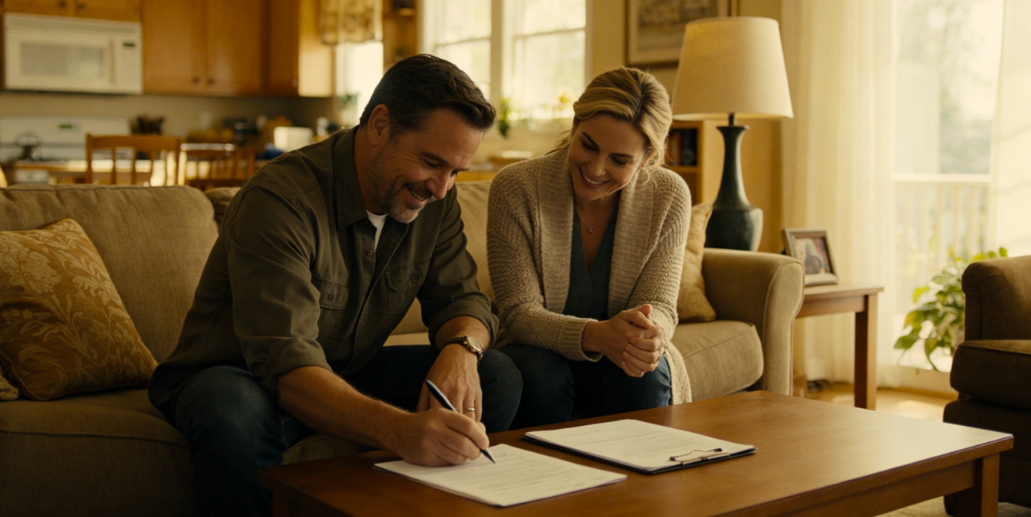
Renting an apartment is a common and practical choice for many people, offering flexibility, convenience, and a chance to live in a space that fits their lifestyle without the long-term commitment of homeownership. For landlords, renting out an apartment is a reliable way to generate passive income while maintaining their property. Whether you’re a renter searching for the perfect space or a landlord looking to attract responsible tenants, understanding the ins and outs of apartment rental is key to a smooth and successful experience. This guide covers all essential aspects of apartment rental, from finding the right space to maintaining a positive landlord-tenant relationship.
For Renters: Finding and Securing Your Ideal Apartment
The first step in the apartment rental process is defining your needs and budget. Start by asking yourself what you need from a living space: How many bedrooms do you require? Do you need in-unit laundry, parking, or pet-friendly accommodations? Are you looking for a quiet neighborhood or a bustling urban area? Answering these questions will help narrow down your search and save time.
Budgeting is another crucial step. Financial experts recommend that your monthly rent should not exceed 30% of your net monthly income. This ensures you have enough funds for other expenses like utilities, groceries, transportation, and savings. Don’t forget to account for additional costs, such as a security deposit (usually one month’s rent), application fees, and moving expenses. Renter’s insurance is also highly recommended to protect your personal belongings from damage, theft, or accidents.
When searching for apartments, use reputable platforms that list available units with detailed descriptions and photos. Take the time to visit potential apartments in person—this allows you to check the condition of the space, test appliances, and get a feel for the neighborhood. Ask the landlord or property manager questions about maintenance, noise levels, and any restrictions (such as pet policies or guest rules). Once you find a space you love, submit a complete application with proof of income, references, and a credit check to increase your chances of approval.
Before signing a lease, read every clause carefully. Pay attention to the lease duration, rent due date, late fees, security deposit refund policy, and maintenance responsibilities. If you have questions or concerns, don’t hesitate to ask for clarification—never sign a lease you don’t fully understand. Once signed, you’re legally bound to the terms, so it’s important to ensure they align with your needs.
For Landlords: Preparing and Renting Your Apartment
Renting out an apartment requires careful preparation to attract quality tenants and protect your property. Start by ensuring the space is clean, safe, and functional. Make any necessary repairs—fix leaky faucets, patch holes in walls, and replace broken appliances. A fresh coat of neutral paint and updated fixtures can also enhance the appeal of your apartment and help you command a higher rental price.
Setting the right rental price is key. Research the local market to see what similar apartments are renting for, considering factors like location, square footage, and amenities. Overpricing may lead to long vacancies, while underpricing means lost income. Be sure to factor in ongoing costs like property taxes, insurance, and maintenance when setting your price.
Screening tenants thoroughly is essential to avoid future issues. Request a completed application, proof of income, rental history, and references. Run a credit check to ensure the tenant has a history of on-time payments and financial responsibility. This step helps reduce the risk of late rent payments or property damage.
A clear and comprehensive lease agreement is a must. It should outline the rental terms, including rent amount, due date, late fees, security deposit details, maintenance responsibilities, and pet policies. Having a legally sound lease protects both you and the tenant and provides a framework for resolving any disputes that may arise.
Maintaining a Positive Landlord-Tenant Relationship
A successful apartment rental experience depends on open communication and mutual respect. For renters, this means paying rent on time, keeping the apartment clean, and reporting any maintenance issues promptly. For landlords, it means responding to maintenance requests in a timely manner, respecting the tenant’s privacy, and handling any concerns fairly.
Regular communication is key. If a renter encounters a problem (such as a broken appliance), they should notify the landlord immediately. Landlords should keep tenants informed about any necessary repairs or changes to the rental agreement. By working together, both parties can ensure a positive and stress-free rental experience.
Key Tips for a Smooth Apartment Rental Experience
- For renters: Always read the lease carefully, ask questions, and keep records of all communication with the landlord.
- For landlords: Be transparent about rental terms, screen tenants thoroughly, and maintain the property regularly.
- Both parties: Respect each other’s rights and responsibilities, and address issues promptly to avoid conflicts.
Apartment rental is a two-way process that works best when both renters and landlords approach it with care and consideration. By following these guidelines, you can ensure a positive experience—whether you’re finding your next home or renting out a space for extra income.