Essential Tips for Apartment Rental: For Renters and Landlords Alike
Apartment rental is a dynamic process that connects renters in search of a comfortable home with landlords looking to secure a reliable income stream. Whether you’re stepping into the rental market for the first time or have years of experience, understanding the core principles of apartment rental can eliminate stress and ensure a positive outcome for both parties. This article simplifies the key steps, rights, and responsibilities, making the apartment rental journey straightforward and rewarding.
For Renters: Secure Your Ideal Apartment
Finding the right apartment starts with intentional planning. First, define your non-negotiables: the number of bedrooms and bathrooms, preferred location, and must-have amenities. Do you need in-unit laundry, parking, or a pet-friendly space? Prioritize location based on your daily routine—proximity to work, public transit, schools, and grocery stores can save time and enhance your quality of life.
Budget wisely to avoid financial strain. A general rule of thumb is that monthly rent should not exceed 30% of your net monthly income. Factor in additional costs: security deposit (usually one month’s rent), application fees, moving expenses, and renter’s insurance. Renter’s insurance is often overlooked but critical—it protects your personal belongings from damage, theft, or accidents.
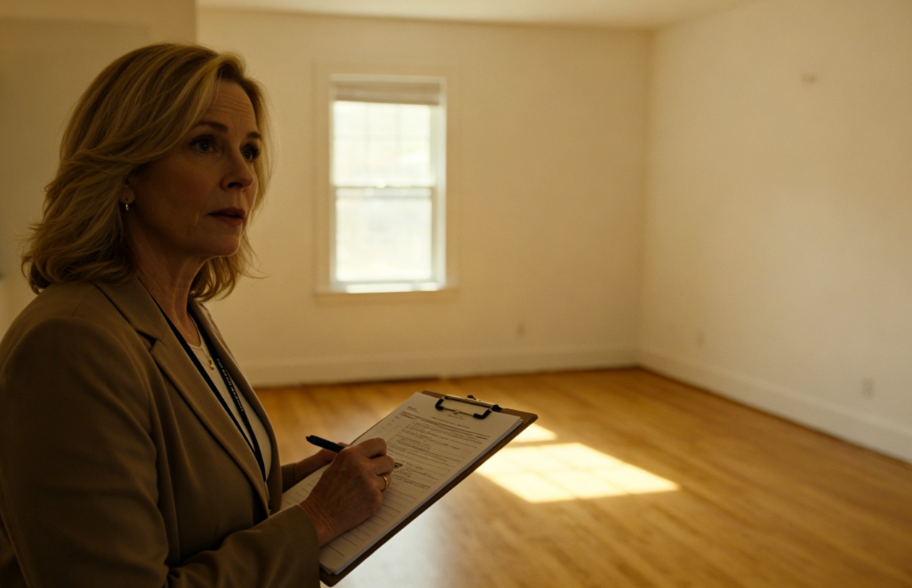
When viewing apartments, be thorough. Check for signs of damage, test all appliances (refrigerator, stove, HVAC), and assess noise levels at different times of the day. Ask the landlord or property manager clear questions: Are utilities included in rent? What is the maintenance response time? Are there any restrictions on decorations or pets? Don’t rush the decision—take time to compare options and ensure the space aligns with your needs.
Never sign a lease without reading it carefully. Pay attention to lease duration, rent due date, late fees, security deposit refund policy, and maintenance responsibilities. Clarify who is responsible for minor vs. major repairs—landlords typically handle structural or appliance issues, while renters are responsible for keeping the space clean and reporting problems promptly. If any terms are unclear, ask for written clarification to avoid misunderstandings later.
For Landlords: Rent Your Apartment Successfully
Renting out an apartment requires preparation to attract quality tenants and protect your investment. Start by making the space move-in ready: deep clean every room, repair any damage (peeling paint, leaky faucets, broken fixtures), and ensure all appliances are functional. A fresh coat of neutral paint and updated hardware can boost appeal without excessive cost.
Set a competitive rental price by researching the local market. Compare similar apartments in your area, considering square footage, amenities, and location. Overpricing will lead to long vacancies, while underpricing reduces your income. Use online rental platforms or consult a local real estate agent to get accurate market insights.
Screen tenants rigorously to avoid future issues. Collect a completed application with personal information, employment details, rental history, and references. Run a credit check to assess financial responsibility—aim for tenants with a credit score of 620 or higher, as this indicates a history of on-time payments. Contact previous landlords to verify rental behavior, such as timely rent payments and property care.
Draft a comprehensive lease agreement that outlines all key terms: monthly rent, due date, late fees, security deposit amount and refund conditions, lease duration, maintenance responsibilities, pet policies, and subletting rules. Ensure the lease complies with local rental laws—consult a legal professional if needed to avoid legal disputes.
Building a Positive Rental Relationship
A successful apartment rental relies on open communication and mutual respect. For renters, pay rent on time, keep the apartment clean, report maintenance issues promptly, and respect neighbors and property rules. For landlords, maintain a safe and habitable space, respond to repair requests quickly, respect the renter’s privacy (provide advance notice before entering), and process security deposit refunds fairly at the end of the lease.
Both parties have rights: renters have the right to a safe, clean living space, while landlords have the right to timely rent payments and protection of their property. Address issues openly and promptly—small problems can escalate if ignored, so clear communication is key to a smooth rental experience.
Conclusion
Apartment rental doesn’t have to be complicated. For renters, careful planning, budgeting, and lease review will help you find a space that feels like home. For landlords, thorough preparation, tenant screening, and a clear lease will protect your investment and attract reliable tenants. By focusing on mutual respect, clear communication, and understanding of rights and responsibilities, both parties can enjoy a positive and stress-free apartment rental experience.