Top Home Renovation Tips: Avoid Mistakes and Create Your Dream Space
Home renovation is an exciting project that can refresh your living environment, improve functionality, and even increase your home’s value. However, it’s easy to get caught up in the excitement and overlook critical details that can lead to costly mistakes and stress. Whether you’re a first-time renovator or looking to update your space, this article shares essential tips and insights to help you navigate the process smoothly, make smart decisions, and achieve the home of your dreams without unnecessary hassle.
1. Plan Ahead to Avoid Costly Surprises
The most important step in any home renovation is thorough planning. Rushing into a project without a clear plan is a recipe for delays, budget overruns, and disappointment. Start by defining your goals: Are you renovating to improve daily living, update an outdated space, or boost resale value? Once you have a clear vision, create a detailed plan that includes a timeline, budget, and list of materials.
Don’t forget to account for unexpected costs—set aside 10–15% of your total budget for unforeseen issues like hidden water damage, supply shortages, or last-minute adjustments. Research local building codes and obtain any necessary permits before starting work; skipping this step can lead to fines and costly rework later.
2. Prioritize Functionality Over Trend
It’s easy to get drawn to the latest design trends, but when renovating, functionality should always come first. A beautiful space is meaningless if it doesn’t fit your lifestyle. For example, a sleek, open-concept kitchen might look stunning, but if you have a large family that cooks frequently, you may need more counter space and storage than the trend allows.
Consider your daily habits and needs when planning each room. If you work from home, a dedicated office with good lighting and storage is a priority. If you have young children or pets, choose durable, easy-to-clean materials that can withstand wear and tear. Trends come and go, but a functional space will remain useful and enjoyable for years to come.
3. Choose Materials Wisely for Longevity
The materials you select will determine the durability, maintenance, and overall look of your renovated space. When choosing materials, balance quality, cost, and practicality. For high-traffic areas like kitchens, bathrooms, and entryways, opt for durable options that can handle daily use:
- Flooring: Vinyl plank, ceramic tile, and engineered hardwood are excellent choices for durability and easy maintenance. They resist scratches, stains, and water damage, making them ideal for busy households.
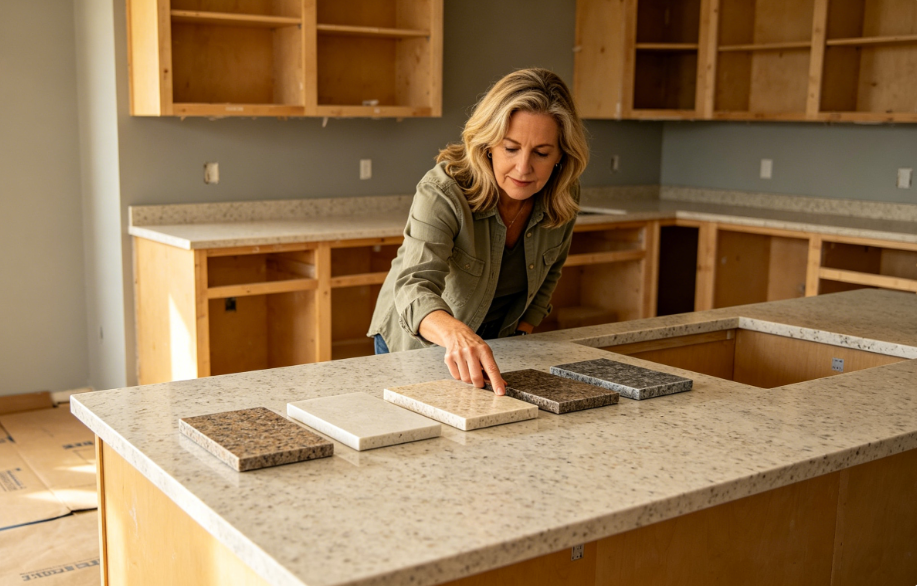
- Countertops: Quartz is a top pick for kitchens and bathrooms due to its stain resistance and low maintenance. It’s available in a variety of colors and patterns, so you can achieve the look you want without the upkeep of natural stone like marble or granite.
- Paint: Invest in high-quality, washable paint for high-traffic areas. Neutral tones are versatile and timeless, while accent colors can add personality without overwhelming the space. Test paint samples on your walls before committing—lighting can drastically change how a color looks.
4. Know When to DIY and When to Hire Professionals
DIY projects can save you money, but not all renovation tasks are suitable for beginners. Simple tasks like painting, installing new light fixtures, or assembling furniture can be done safely with a little research and the right tools. However, complex work like electrical wiring, plumbing, structural changes, and demolition should always be left to licensed professionals.
Hiring a professional may cost more upfront, but it will save you from costly mistakes and safety hazards down the line. When hiring contractors, do your research: ask for recommendations, read online reviews, and get multiple quotes to compare prices and services. Always sign a detailed contract that outlines the scope of work, timeline, and payment schedule.
5. Don’t Overlook the Small Details
It’s the small details that can make or break a renovation. Things like lighting, hardware, and storage solutions often get overlooked, but they can have a big impact on the functionality and aesthetics of your space. For example, adding under-cabinet lighting in the kitchen can improve visibility while cooking, and updating cabinet handles can refresh the look of the entire room.
Don’t forget about storage—clutter can make even the most beautiful space feel cramped. Incorporate built-in shelves, drawers, or storage bins to keep your home organized. Additionally, pay attention to ventilation, especially in bathrooms and kitchens, to prevent mold and mildew growth.
6. Stay Flexible and Enjoy the Process
Renovation is rarely a perfect process. Delays, supply shortages, and unexpected issues are common, so it’s important to stay flexible and keep a positive mindset. Remember that the goal is to create a space that you love, and a few setbacks are worth the end result.
Take time to appreciate the progress along the way, whether it’s a fresh coat of paint, a new fixture, or a completed room. Once the renovation is done, take the time to personalize the space with decor, artwork, and personal touches that make it feel like home.
Conclusion
Home renovation is a rewarding journey that requires planning, patience, and smart decision-making. By planning ahead, prioritizing functionality, choosing quality materials, knowing when to hire professionals, and paying attention to the small details, you can avoid common mistakes and create a space that meets your needs and reflects your style. Whether you’re tackling a small update or a major remodel, these tips will help you navigate the process with confidence and enjoy your newly renovated home for years to come.