New House Renovation Guide: Turn Your New Space Into a Dream Home
Moving into a new house is an exciting milestone, but the process of renovating it to fit your style, needs, and lifestyle can feel both overwhelming and rewarding. Unlike renovating an existing home with pre-existing structures and design choices, a new house renovation gives you the unique opportunity to customize every detail—from the layout and materials to the finishes and fixtures—creating a space that truly feels like yours. Whether you’re looking to make minor tweaks or a full customization, this guide will walk you through the key steps, tips, and considerations for a successful new house renovation, helping you navigate the process smoothly and avoid common pitfalls.

1. Start with a Clear Vision and Budget
Before diving into any renovation work, take the time to define your vision for your new home. Ask yourself: What style do you want to embrace? Do you prefer a modern, minimalist look, a cozy traditional vibe, or a mix of styles? What functional needs do you have? For example, do you need a dedicated home office, extra storage space, or a open-concept kitchen for family gatherings? Having a clear vision will guide every decision, from the layout adjustments to the smallest finish choices.
Setting a realistic budget is equally crucial. New house renovations can vary widely in cost, depending on the scope of work, materials, and labor. Start by outlining all the projects you want to tackle, then research the average costs of materials and professional services in your area. Don’t forget to allocate 10–15% of your budget for unexpected expenses—such as design changes, supply delays, or hidden issues that may arise during the renovation. Sticking to your budget will help you avoid overspending and ensure you can complete the projects that matter most to you.
2. Prioritize Layout and Functionality
One of the biggest advantages of renovating a new house is the ability to adjust the layout to fit your lifestyle. Unlike older homes, new constructions often have flexible floor plans that can be modified to improve functionality. Take the time to evaluate the existing layout and identify areas that can be optimized. For example, if the kitchen feels too small, you might consider expanding it into an adjacent room; if you need a home office, you could convert a spare bedroom or a nook into a dedicated workspace.
When planning the layout, focus on flow and practicality. Ensure that rooms are arranged in a way that makes daily life easier—for instance, the kitchen should be easily accessible from the dining area, and bedrooms should be located in a quiet part of the house. Consider future needs as well: if you plan to grow your family, you might want to design flexible spaces that can be converted into additional bedrooms or playrooms down the line.
3. Choose Materials and Finishes for Durability and Style
The materials and finishes you choose will not only define the look of your new home but also its durability and maintenance needs. Since a new house is a long-term investment, it’s important to select high-quality materials that can withstand daily wear and tear, especially in high-traffic areas like kitchens, bathrooms, and entryways. Here are some key considerations for common renovation elements:
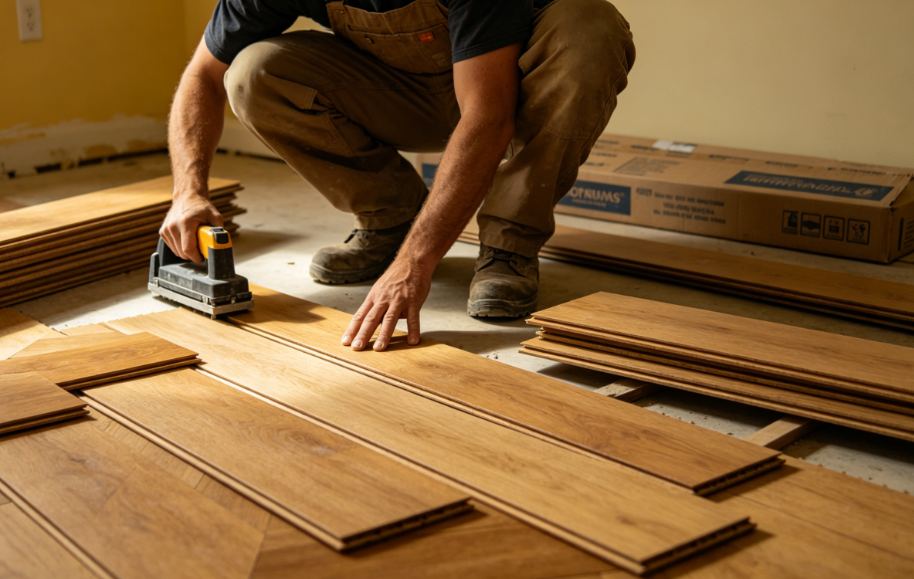
- Flooring: For busy households, opt for durable, easy-to-clean options like luxury vinyl plank, ceramic tile, or engineered hardwood. These materials are water-resistant, scratch-resistant, and low-maintenance, making them ideal for families with kids or pets. For bedrooms and living rooms, you can add warmth with carpet or solid hardwood.
- Countertops: Quartz is a popular choice for kitchens and bathrooms due to its durability, stain resistance, and low maintenance. It comes in a wide range of colors and patterns, so you can easily match it to your design style. If you prefer a natural look, granite is a timeless option, though it requires regular sealing to prevent staining.
- Paint and Wall Finishes: Choose high-quality, washable paint for high-traffic areas to make cleaning easier. Neutral tones like gray, beige, and white are versatile and can make spaces feel larger and brighter, while accent walls in bold colors or textures can add personality. Consider using wallpaper or shiplap in certain rooms to create a unique focal point.
- Fixtures: Updated light fixtures, faucets, and cabinet hardware can elevate the look of any room. For a cohesive design, stick to a consistent style—sleek and modern for contemporary homes, or warm and metallic for traditional spaces. Energy-efficient fixtures are also a great choice, as they can help reduce utility costs over time.
4. Hire Trusted Professionals for Complex Work
While DIY projects can save you money, certain aspects of new house renovation require professional expertise to ensure safety and compliance with building codes. Electrical work, plumbing, structural changes, and HVAC installations should always be handled by licensed contractors. These tasks are complex and can pose safety hazards if done incorrectly, so it’s worth investing in professional services to avoid costly mistakes later.
When hiring contractors, take the time to do your research. Ask for recommendations from friends, family, or your real estate agent, read online reviews, and request multiple quotes to compare prices and services. Always sign a detailed contract that outlines the scope of work, timeline, payment schedule, and warranty terms. Clear communication with your contractor is key—schedule regular check-ins to track progress and address any concerns promptly.
5. Don’t Overlook the Small Details
It’s the small details that can make your new home feel personal and functional. When renovating, don’t forget to pay attention to elements like lighting, storage, and ventilation. For example, adding under-cabinet lighting in the kitchen can improve visibility while cooking, and installing built-in shelves or drawers can help keep your home organized. Proper ventilation in bathrooms and kitchens is also essential to prevent mold and mildew growth.
Another important detail is personalization. Add touches that reflect your personality and style, such as artwork, throw pillows, rugs, or plants. These elements can turn a generic space into a warm, inviting home that feels uniquely yours.
6. Stay Organized and Flexible
Renovating a new house can be a lengthy process, so it’s important to stay organized and flexible. Create a detailed timeline that outlines each phase of the renovation, and keep track of receipts, contracts, and communication with contractors. This will help you stay on track and avoid confusion.
Be prepared for unexpected changes and delays—supply shortages, weather issues, or design adjustments are common in renovation projects. Staying flexible and maintaining a positive mindset will help you navigate these challenges without stress. Remember that the end result will be a home that’s tailored to your needs and style, and the temporary disruption will be worth it.
Conclusion
Renovating a new house is an exciting opportunity to create a space that truly feels like home. By starting with a clear vision and budget, prioritizing layout and functionality, choosing quality materials, hiring trusted professionals, and paying attention to the small details, you can ensure a successful renovation. Whether you’re making minor tweaks or a full customization, this guide will help you navigate the process with confidence. With patience and careful planning, you’ll soon be able to enjoy your newly renovated dream home.