House Renovation: A Comprehensive Guide to Planning, Designing, and Executing Your Dream Space
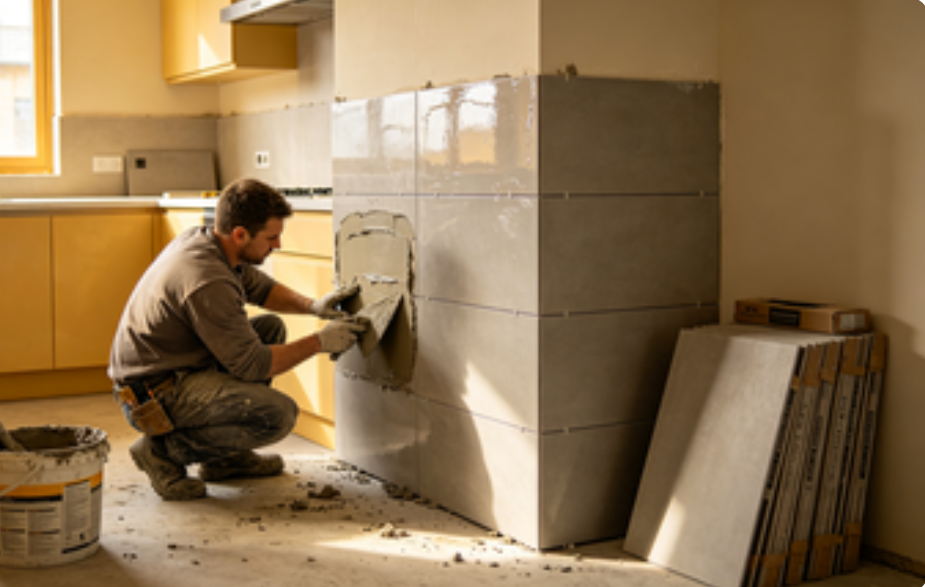
Embarking on a house renovation is an exciting yet challenging journey—whether you’re updating a single room, remodeling an entire home, or fixing up a property to sell. It’s a process that requires careful planning, clear vision, and attention to detail to ensure the end result aligns with your goals, budget, and lifestyle. From setting a realistic budget to choosing materials and working with contractors, every step plays a crucial role in the success of your renovation. This guide breaks down the key stages of house renovation, offering practical tips and insights to help you navigate the process smoothly and create a space that feels like home.
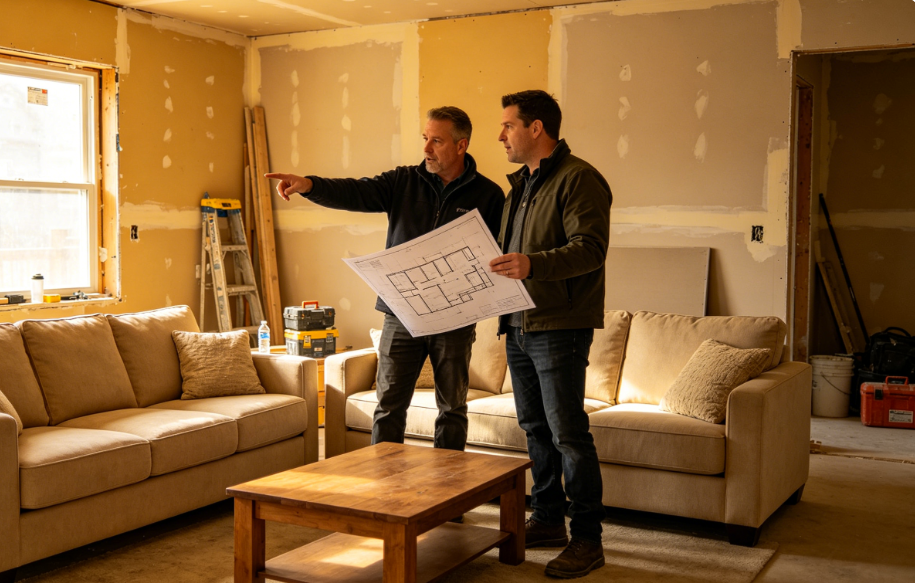
1. Define Your Renovation Goals and Budget
Before diving into any renovation work, the first step is to clarify your goals and set a realistic budget. Ask yourself: What do you want to achieve with the renovation? Are you looking to increase your home’s value, improve functionality, update the design, or fix structural issues? Your goals will guide every decision, from the rooms to prioritize to the materials you choose.
When setting a budget, be sure to account for all potential costs: materials, labor, permits, design fees, and a 10-15% contingency fund for unexpected expenses (such as hidden water damage or supply delays). It’s easy to underestimate costs, so research average prices for materials and labor in your area, and consult with contractors to get accurate quotes. Remember, cutting corners on quality to save money may lead to costly repairs down the line—invest in durable, high-quality materials for long-lasting results.
2. Plan Your Design and Layout
Once you have a clear budget and goals, it’s time to plan the design and layout of your renovated space. Start by gathering inspiration: browse home design websites, magazines, or social media platforms (like Pinterest or Instagram) to find styles, colors, and layouts that resonate with you. Consider factors like functionality—for example, if you love cooking, a open-concept kitchen with ample counter space and storage may be a priority. If you work from home, a dedicated home office with natural light could be essential.
For more complex renovations, consider hiring an interior designer or architect. They can help translate your vision into a practical design, ensure the layout is efficient, and recommend materials and finishes that fit your style and budget. If you’re working with a limited budget, focus on small, impactful changes—such as repainting walls, updating fixtures, or replacing flooring—that can transform a space without breaking the bank.
Don’t forget to consider the flow of your home: ensure that rooms are connected logically, and that there’s enough space for movement. Natural light is also a key factor—incorporate large windows, skylights, or light-colored walls to make spaces feel bright and airy.
3. Choose the Right Materials and Finishes
The materials and finishes you choose will not only affect the look of your renovated space but also its durability and maintenance needs. When selecting materials, balance style with practicality. For high-traffic areas (like kitchens and bathrooms), opt for durable, easy-to-clean materials such as quartz countertops, ceramic tile flooring, or vinyl plank flooring. For bedrooms and living areas, you can prioritize comfort with carpet, hardwood, or laminate.
Finishes—such as hardware, lighting, and paint—can add personality to your space. Choose finishes that complement your design style: for a modern look, opt for sleek, matte hardware and recessed lighting; for a cozy, traditional feel, consider warm wood hardware and pendant lights. Paint color is another important decision—light colors can make small spaces feel larger, while dark colors add depth and warmth. Test paint samples on your walls before committing to a color, as lighting can affect how the color looks throughout the day.
4. Hire Trusted Professionals
Unless you’re an experienced DIY enthusiast, most renovations will require hiring professionals—such as contractors, electricians, plumbers, and painters. Take the time to research and vet potential professionals: ask for recommendations from friends or family, read online reviews, and request quotes from multiple contractors to compare prices and services.
When hiring a contractor, make sure they are licensed, insured, and have experience with projects similar to yours. Sign a detailed contract that outlines the scope of work, timeline, payment schedule, and any warranties. Clear communication is key—regular check-ins with your contractor will ensure that the project stays on track and that any issues are addressed promptly.
If you’re doing some DIY work, be honest about your skills. Simple tasks like painting or installing new fixtures can be done yourself, but complex work (like electrical or plumbing) should always be left to professionals to avoid safety hazards and costly mistakes.
5. Navigate the Renovation Process
Once the planning is done and the professionals are hired, it’s time to start the renovation. Be prepared for some disruption to your daily life—dust, noise, and temporary changes to your routine are common. If possible, consider temporarily moving out during the most intensive phases of the renovation to avoid stress.
Stay involved in the process by checking in regularly with your contractor, reviewing progress, and addressing any concerns as they arise. Keep track of all receipts, contracts, and communication in case of disputes. It’s also important to be flexible—unexpected issues (like hidden structural problems) may arise, and you may need to adjust your timeline or budget accordingly.
6. Final Inspections and Move-In
Once the renovation is complete, conduct a final inspection with your contractor to ensure that all work is done to your satisfaction. Check for any defects, ensure that all fixtures and appliances are working properly, and verify that the space meets all building codes. If there are any issues, ask your contractor to fix them before making the final payment.
After the inspection, it’s time to move back in (or move in for the first time!) and enjoy your newly renovated space. Take the time to decorate, organize, and personalize the space to make it feel like your own. Remember, a renovation is an investment in your home and your quality of life—with proper planning and execution, it will provide you with a beautiful, functional space for years to come.
Conclusion
House renovation is a journey that requires patience, planning, and attention to detail, but the end result is well worth the effort. By defining your goals, setting a budget, planning your design, hiring trusted professionals, and staying involved in the process, you can create a space that reflects your style, meets your needs, and brings you joy. Whether you’re updating a small room or remodeling your entire home, this guide will help you navigate the renovation process with confidence and achieve your dream space.