What to Know Before Renting an Apartment: A Guide for Tenants
Renting an apartment is an exciting step toward independence, but it requires careful preparation to avoid common pitfalls and ensure a positive living experience. Whether you’re renting for the first time or moving to a new city, understanding the key steps, rights, and responsibilities will help you navigate the process with ease. This article focuses on what tenants need to know—from setting a budget to signing a lease and settling in—to help you find a safe, comfortable, and affordable rental home.
1. Set a Realistic Budget
Before you start searching for an apartment, it’s crucial to determine how much you can afford to spend on rent each month. A general rule of thumb is that your monthly rent (including utilities like water, electricity, internet, and gas) should not exceed 30% of your net monthly income. This ensures you have enough money left for other essential expenses, such as groceries, transportation, and savings.
Don’t forget to account for additional costs, such as a security deposit (usually equal to 1–2 months’ rent), application fees, moving expenses, and renter’s insurance. Renter’s insurance is highly recommended—it protects your personal belongings in case of theft, fire, or other unexpected events, and it’s often affordable (typically $15–$30 per month).
2. Define Your Must-Haves and Nice-to-Haves
To narrow down your search, make a list of non-negotiable must-haves and optional nice-to-haves. Must-haves might include the number of bedrooms and bathrooms, location (e.g., close to work, school, or public transportation), and essential amenities like in-unit laundry or parking. Nice-to-haves could be a balcony, a gym, or a pet-friendly policy.
Consider your lifestyle when making this list. If you work from home, you might need a dedicated workspace or reliable internet. If you have a pet, prioritize apartments that allow pets (and check for pet fees or restrictions). Being clear about your needs will save you time and help you avoid falling in love with an apartment that doesn’t fit your lifestyle.
3. Search for Apartments Effectively
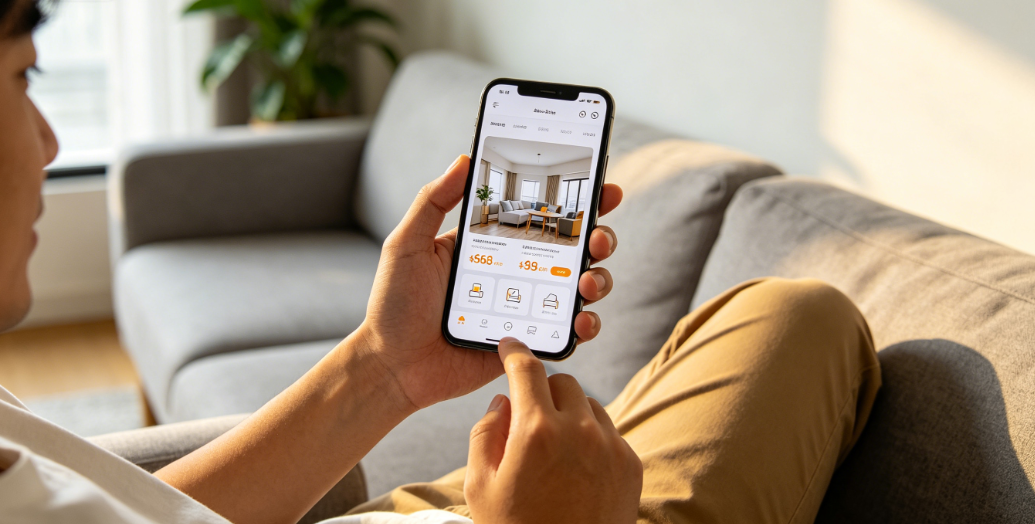
There are many ways to find rental apartments, but online platforms are the most convenient option for most tenants. Popular rental websites and apps include Zillow, Apartments.com, Craigslist, and local real estate agency sites. These platforms allow you to filter listings by price, location, number of bedrooms, and amenities, making it easy to find options that match your criteria.
When browsing listings, pay attention to the details: look for clear photos, a detailed description of the apartment and neighborhood, and information about the landlord or property manager. Many listings also offer virtual tours, which are great for previewing the space if you can’t visit in person. You can also ask friends, family, or colleagues for recommendations—personal referrals often lead to great finds.
4. Inspect the Apartment Before Signing
Once you find a promising apartment, schedule an in-person viewing. This is your chance to inspect the space thoroughly and ask questions. Here’s what to check:
- Signs of damage: Look for scuffs on walls, stains on carpets, or cracks in countertops. Note any existing damage and take photos—this will protect you when you move out, as you won’t be held responsible for pre-existing issues.
- Appliances: Test the stove, refrigerator, microwave, dishwasher, and air conditioner/heater to make sure they work properly.
- Plumbing: Check for leaky faucets, slow drains, and water pressure in sinks and showers.
- Safety: Ensure smoke detectors and carbon monoxide detectors are present and working. Check the locks on doors and windows for security.
- Neighborhood: Visit the neighborhood at different times of the day to get a sense of traffic, noise, and safety. Check for nearby grocery stores, restaurants, and public transportation.
Don’t hesitate to ask the landlord or property manager questions about maintenance, repair procedures, noise levels, and lease terms. A reputable landlord will be happy to answer your questions and provide additional information.
5. Understand the Lease Agreement
A lease agreement is a legally binding contract between you and the landlord, so it’s essential to read and understand every word before signing. Here are the key terms to look for:
- Lease duration: Most leases are 6 months to 1 year, but short-term leases are available for more flexibility. Check the start and end dates, and ask about renewal options.
- Rent details: The monthly rent amount, due date, and late fees (if any) should be clearly stated. Ask if the rent will increase during the lease term.
- Security deposit: Find out how much the deposit is, when it will be returned (usually within 30–60 days of moving out), and what reasons the landlord can deduct from it (e.g., damage, unpaid rent).
- Maintenance responsibilities: Clarify who is responsible for repairs. Landlords are typically responsible for major issues (e.g., a broken HVAC system), while tenants are responsible for minor tasks (e.g., changing light bulbs).
- Restrictions: Check for rules about smoking, pets, subletting, or making modifications to the apartment. Make sure these restrictions align with your lifestyle.
If you have any questions or concerns about the lease, ask the landlord to explain or consult a legal professional. Never sign a lease you don’t fully understand—this can lead to disputes and financial problems later on.
6. Settle In and Protect Your Rights
After signing the lease and moving in, take a few steps to ensure a smooth transition:
- Document the apartment’s condition: Take photos or videos of every room, including any pre-existing damage, and share them with the landlord. This will help avoid disputes when you move out.
- Set up utilities: Contact the local water, electricity, gas, and internet providers to activate service in your name. Ask the landlord if any utilities are included in the rent.
- Know your rights: Familiarize yourself with local rental laws, which vary by city and state. These laws protect tenants from unfair practices, such as illegal eviction, excessive rent increases, or failure to make necessary repairs.
Conclusion
Renting an apartment requires careful planning, but with the right preparation, it can be a smooth and rewarding experience. By setting a budget, defining your needs, inspecting the apartment, understanding the lease, and knowing your rights, you can find a rental home that fits your lifestyle and provides a comfortable place to live. Remember, communication is key—maintain a good relationship with your landlord, and don’t hesitate to address any issues promptly. With these tips, you’ll be well on your way to enjoying your new apartment.