Soft Mental Healing: How to Regulate Stress and Stabilize Mood in Daily Life

Daily life is filled with continuous subtle pressure that quietly consumes mental energy. Tight schedules, repetitive work tasks, trivial household matters, occasional interpersonal discomfort, and endless inner overthinking often leave people feeling tired, restless, and emotionally unstable. Many people choose to endure fatigue and suppress bad moods, believing that persistence is the only way to cope with busyness. However, long-term unrelieved stress gradually leads to emotional numbness, decreased vitality, sleep problems, and persistent mental exhaustion. Soft daily mental healing offers a gentle and effective solution. It helps ordinary people release stress, repair negative emotions, and maintain inner balance without drastic life changes.
The Characteristics of Modern Daily Stress
Different from intense pressure caused by major events, daily stress is chronic, mild, and highly concealed. It does not bring devastating blows but slowly erodes mental wellness bit by bit. Constant task switching, fear of falling behind, excessive worry about results, and habitual self-criticism keep the brain in a long-term state of tension.
In this state, people are prone to mood swings, low patience, lazy thinking, and loss of enthusiasm for life. They can still complete daily work normally, but their inner world is no longer peaceful and relaxed. This kind of hidden mental consumption is the main cause of emotional burnout and low life satisfaction for modern people. Learning scientific stress regulation and emotional self-healing is essential for maintaining long-term physical and mental health.
Establish a Gentle Attitude Toward Emotions
Many people’s emotional pain comes from resistance to negative moods. When anxiety, sadness, irritability, and tiredness appear, most people will feel flustered and start to blame themselves, trying to force their emotions to return to positive states immediately. However, the more people resist emotions, the more stubborn they become.
True emotional maturity is learning to coexist with temporary negative feelings. Bad moods are not faults, but normal psychological feedback when the mind is overloaded. Accepting emotional fluctuations, allowing yourself to be tired and vulnerable, and stopping harsh self-judgment are the first steps of effective self-healing. Only when emotions are fully understood and tolerated can they naturally fade away and restore inner peace.
Easy Daily Self-Healing Methods for Stress and Mood Regulation
Excellent mental adjustment ability is cultivated in trivial daily life. The following simple and practical methods are suitable for all groups. They require no professional skills or extra time and can effectively soothe emotions, relieve stress, and repair mental fatigue.
1. Create Micro Breaks to Avoid Mental Overload
Many people’s mental exhaustion is caused by continuous high-intensity mental output. The brain needs regular rest intervals just like the body. Setting micro breaks in daily work and study can effectively prevent stress accumulation.
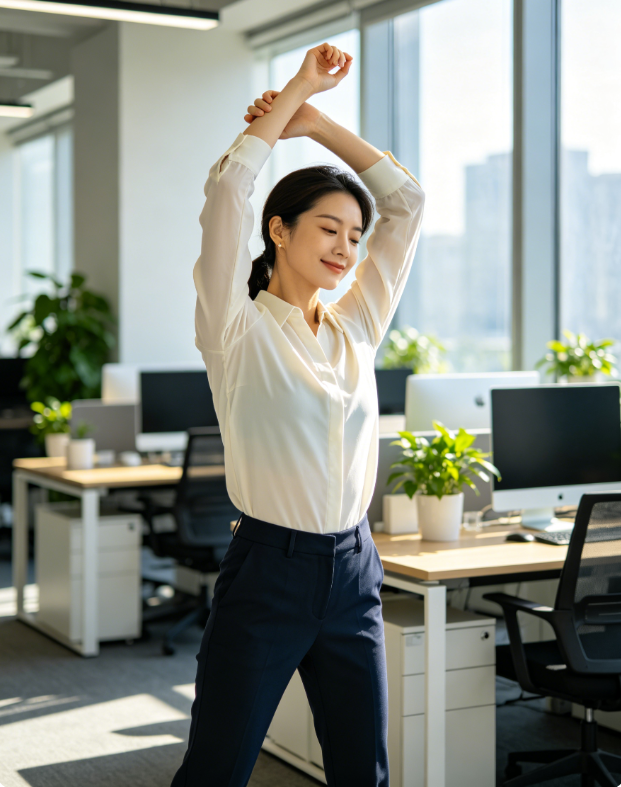
Every one or two hours, stop all tasks for two to three minutes, relax your shoulders, release tight muscles, and breathe slowly and evenly. This short pause can instantly reduce nervous tension, clear messy thoughts, help the brain regain vitality, and avoid emotional collapse caused by long-term fatigue.
2. Use Simple Recording to Resolve Inner Chaos
When emotions are fluctuating, the mind is always filled with fragmented thoughts and vague anxiety. These unorganized inner voices amplify pressure and make people feel confused and powerless. Simple mood recording is an excellent way to sort out inner chaos.
You can casually record your daily mood, troubles, and confused thoughts in plain language. The process of writing can externalize invisible inner pressure, separate yourself from negative emotions, and help you clearly see the root of anxiety. After sorting out your thoughts, most imaginary pressure will disappear automatically, and your mood will become significantly calmer.
3. Relieve Emotional Tension Through Light Movement
Mental stress will inevitably lead to physical stiffness and sluggish energy flow. Static life for a long time will lock negative emotions in the body, making the mood more depressed. Light and gentle sports are one of the most natural emotional healing tools.
Slow walking, stretching, yoga, and casual jumping can relax stiff bodies, promote blood circulation, stimulate positive hormone secretion, and effectively dispel depression and anxiety. Different from high-intensity exercise that consumes physical strength, gentle daily movement repairs mental fatigue in a relaxed state, making people feel comfortable and energetic.
4. Reduce Internal Friction by Letting Go of Excessive Perfectionism
A large part of daily stress comes from excessive perfectionism. Many people habitually pursue zero mistakes in work and life, demand absolute control over everything, and feel frustrated and anxious once there are minor flaws.
Learning to let go of rigid perfection is an important mindset upgrade for emotional self-healing. Life is inherently incomplete and changeable. Allowing tasks to have minor flaws, accepting temporary unsatisfactory states, and forgiving your own mistakes can greatly reduce self-generated pressure. Moderate relaxation of self-requirements can make life much easier and happier.
5. Soothe the Mind Through a Stable Daily Routine
Chaotic work and rest schedules and irregular life rhythms will destroy mental stability. Uncertain daily arrangements make the brain always in a state of alert, which easily induces restlessness and anxiety. A stable daily routine is the most solid foundation for emotional stability.
Adhering to regular sleep, fixed meal time, and reasonable work-rest allocation can bring a strong sense of security to the mind. Orderly life rules reduce unnecessary mental consumption, enhance psychological resilience, and make emotions less susceptible to trivial disturbances.
6. Absorb Positive Energy from Ordinary Life
Stress and busyness easily make people fall into a single negative cognitive mode, ignoring the warmth and beauty in life. Actively capturing small happy moments can continuously offset negative pressure and repair mental wear and tear.
Savoring a cup of hot drink, feeling the breeze and sunshine, enjoying quiet leisure time, and focusing on simple hobbies can all bring gentle positive stimulation. These trivial warm moments accumulate into powerful inner strength, letting people maintain optimism and calmness in the face of daily pressure.
Break Wrong Cognitions of Mental Health
Many people’s emotional problems are difficult to improve due to long-term wrong cognition.
Self-healing is only needed for severe psychological problems: Real mental health focuses on daily maintenance. Minor stress accumulation is the source of most emotional troubles.
Emotional vulnerability equals weakness: Having sensitive emotions and needing adjustment is a normal human feature, not a personal defect.
Positive people never feel anxious: No one can avoid stress. True positivity lies in rapid recovery, not permanent stability.
Stress can be eliminated by blind busyness: Busyness only diverts attention. Only active adjustment can truly resolve emotional pressure.
The Long-Term Value of Daily Emotional Self-Healing
Insisting on daily mild emotional healing and stress regulation can bring steady and lasting positive changes. In the short term, it can effectively relieve irritability, improve sleep quality, enhance concentration, and make daily work and life more efficient and relaxed. In the long run, it can cultivate a stable and powerful inner personality, greatly improve psychological resilience, and help individuals face setbacks, changes, and pressure with a peaceful attitude.
People who master daily self-healing skills can always maintain inner balance in trivial and busy life. They are not easily trapped by negative emotions, have more harmonious interpersonal relationships, and hold higher life happiness and satisfaction.
Conclusion
Mental wellness is a long-term accumulation of daily gentle care, not occasional emergency repair. Stress and emotional fluctuations are inevitable parts of ordinary life, but everyone can master the initiative of mental adjustment through simple and scientific daily methods.
Through reasonable rest intervals, thought sorting, gentle movement, letting go of perfectionism, stable life rhythms, and positive emotional accumulation, people can effectively resolve daily accumulated stress, reduce inner friction, and complete continuous self-healing and growth. Maintaining a calm and healthy mind is the most reliable way to embrace a high-quality life and stable personal growth.