Renter-Friendly DIY: Craft Slim Reversible Wall Ledges for Minimalist Japanese Rooms
Introduction
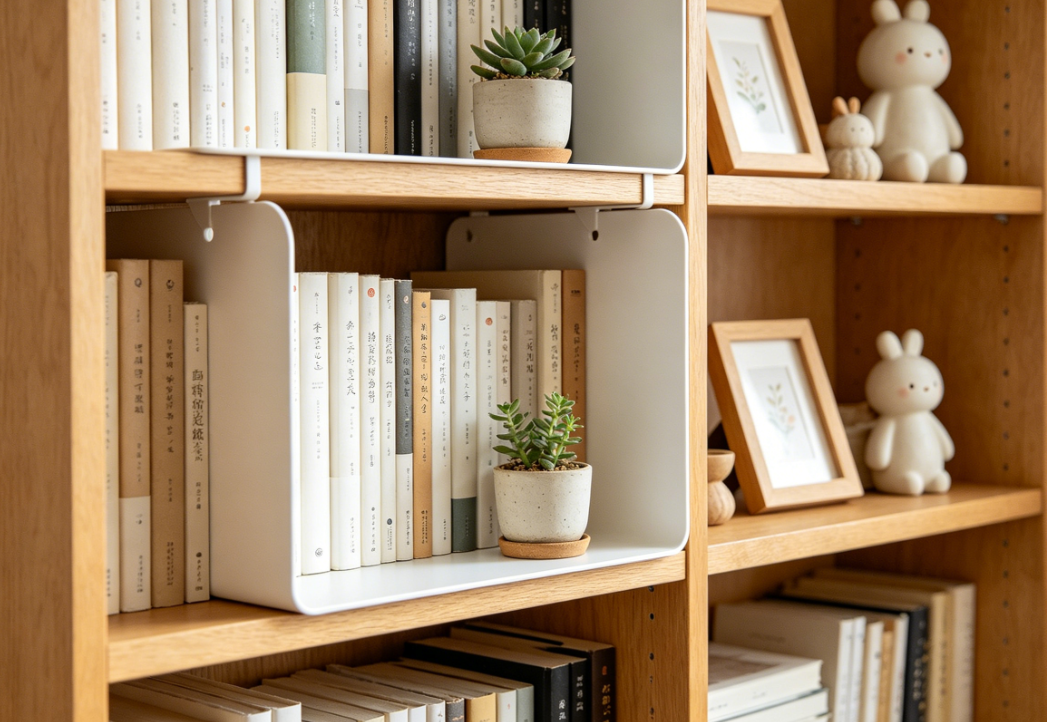
Most Japanese one-room apartments feature extremely compact desk surfaces and empty plain walls. Tenants who read frequently or collect magazines often struggle with stacked paperbacks, scattered notebooks, and misplaced periodicals. Commercial floating shelves require drilling screws or strong permanent glue, which leave unsightly holes and sticky residues—violating Japan’s strict rental restoration policies. Plain walls without decoration also create a monotonous, cold residential atmosphere. To expand vertical storage without damaging wall paint, renters can create a pair of ultra-slim reversible wall ledges. Made of lightweight balsa wood boards and residue-free adhesive hangers, this low-profile shelf holds books, small plants, and daily accessories. Beyond simple storage functions, this minimalist handmade shelf interprets a quiet Japanese living aesthetic: utilizing blank vertical space without visual heaviness.
Design Concept of the DIY Wall Ledge
Unlike thick bulky commercial shelves that occupy visual space, this handmade wall ledge adopts an ultra-thin flat structure designed for narrow Japanese living walls. It follows three renter-centered design principles: traceless adhesion, lightweight load-bearing, and bidirectional reversibility. Considering the fragile gypsum board walls in modern Japanese apartments, all materials are kept lightweight to avoid wall peeling. Instead of building heavy storage units, this shallow ledge provides gentle placing space, maintaining room transparency and airiness. Its plain wood tone naturally matches neutral interior colors commonly used in rental housing.
Required Materials (Available at Japanese 100-Yen Shops)
- Thin natural balsa wood flat boards (lightweight low-density timber)
- Clear invisible heavy-duty adhesive hanging strips
- Soft rubber anti-slip bumpers
- Matte transparent wood protection coating
- Smooth round-edged cutting tools
Step-by-Step Fabrication Process
Step 1: Cut Wood Board into Slim Ledge Shape
Measure the reserved blank space above desks or beside beds. Select a narrow horizontal width suitable for Japanese compact rooms. Cut the balsa wood board into a long, shallow rectangular strip. The depth of the board is intentionally kept under four centimeters to prevent visual congestion. Gently polish all edges and corners until completely smooth, avoiding rough wood texture that accumulates dust. The pale natural wood color requires no extra dyeing, fitting the muted interior tone of Japanese rental spaces.
Step 2: Apply Transparent Protective Coating
Smear a thin layer of matte transparent coating evenly on the wood surface. This waterproof isolation layer prevents moisture absorption during Japan’s humid rainy season, avoiding wood deformation, mildew, and discoloration. The transparent formula retains the original wood grain without glossy artificial reflection. After coating, place the board in a ventilated area for natural air drying, ensuring flatness without warping.
Step 3: Install Anti-Slip Rubber Bumpers
Attach tiny soft rubber bumpers on the upper surface of the wooden ledge. These subtle raised points prevent books and small objects from sliding down during room vibration. Additionally, rubber buffers separate items from direct wood contact, reducing abrasion and leaving no indentation on the board. The transparent bumpers are visually invisible, preserving the ledge’s minimalist clean appearance.
Step 4: Fix Adhesive Strips for Traceless Mounting
Paste invisible adhesive hanging strips on the back of the dried wood board. Align the ledge horizontally against the clean wall and press firmly to expel air gaps. The water-based adhesive generates stable bearing force yet peels off cleanly during moving-out. No nails, drilling, or chemical corrosion occurs, fully complying with rental inspection standards. Users can also reverse the board for a brand-new plain surface, realizing double-side reusable design.
Daily Usage and Functional Advantages
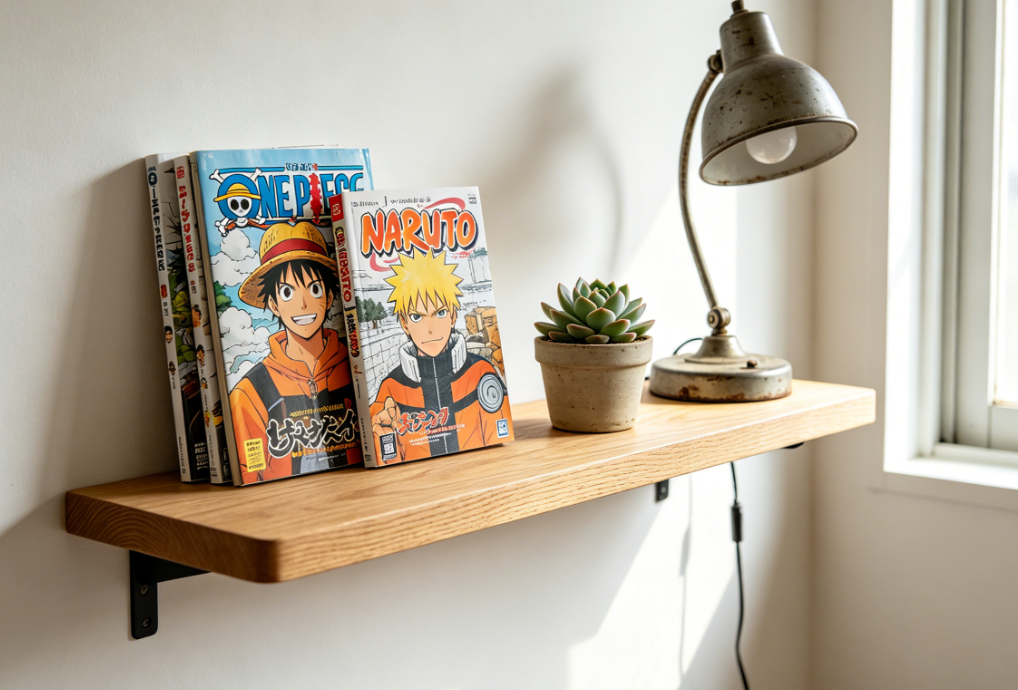
This handmade wall ledge efficiently expands vertical storage in cramped rental rooms. It displays frequently read books, weekly magazines, small potted plants, and decorative trinkets without occupying desktop area. The slim structure avoids blocking indoor light and airflow, keeping narrow bedrooms visually spacious. During humid seasons, the polished waterproof surface resists moisture and can be wiped effortlessly. When tenants need layout adjustment, the ledge can be detached, repositioned, or stored flat. Its reversible design doubles service life and improves material utilization rate.
Broader Reflection: Gentle Utilization of Blank Walls
Japanese rental architecture strictly restricts wall modification, turning blank wall surfaces into untouchable neutral zones. Tenants can neither paint patterns nor install permanent decorations, resulting in rigid homogeneous interiors. This handmade wooden ledge represents a mild breakthrough in spatial limitations. Instead of violently reconstructing walls, residents attach lightweight auxiliary structures to activate idle vertical space.
Moreover, the simple polishing and coating process creates a subtle connection between humans and materials. In an era of disposable industrial products, manually smoothing wood surfaces helps people perceive material texture and spatial boundaries. Placing books on a shallow wall shelf transforms cold blank walls into warm personal cultural corners.
Conclusion
The DIY reversible wooden wall ledge embodies subtle decorative and storage wisdom for Japanese renters. With ultra-light natural timber, simple surface treatment, and residue-free installation, it solves desktop congestion, monotonous walls, and limited storage space. It maintains wall integrity, improves vertical space utilization, and adds mild warmth to plain rental rooms. Within immutable architectural constraints, this slim wooden strip proves that delicate decoration does not require destructive renovation. Through gentle handmade creation, renters awaken idle wall space, constructing quiet, elegant, and personalized corners in borrowed temporary homes.