Renter-Friendly DIY: Craft a Reusable Insulated Draft Stopper for Leaky Japanese Windows
Introduction
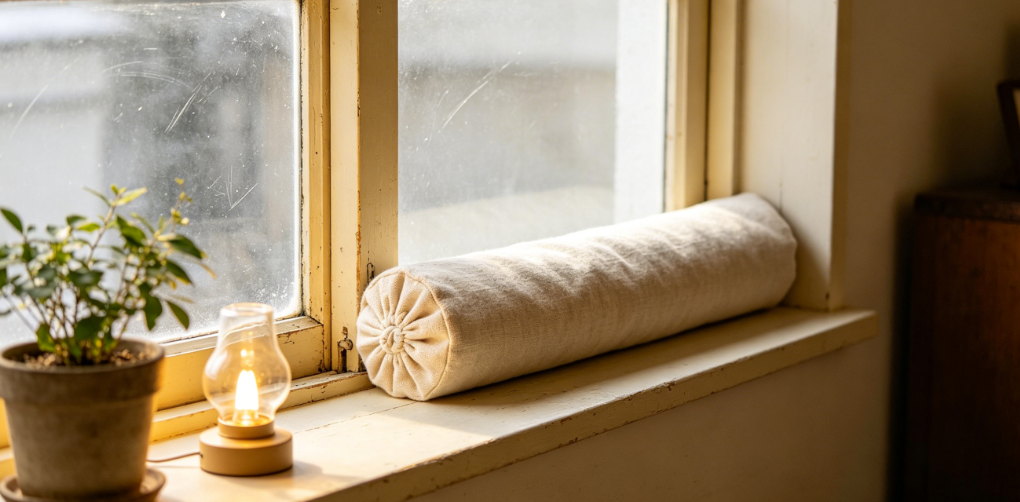
A vast number of old Japanese rental apartments are fitted with single-layer glass windows and aging rubber sealing strips. As seasons turn cold, tiny cracks along window edges continuously infiltrate frigid outdoor air, causing visible condensation, frosty window sills, and uneven indoor temperatures. Heaters consume excessive electricity yet struggle to warm drafty corners beside windows. Since tenants are prohibited from replacing window frames, applying permanent sealant, or altering built-in structures, thermal insulation becomes extremely difficult. Under these strict constraints, a handmade insulated window draft stopper tube serves as a practical low-tech solution. Constructed from soft fabric and recycled filling materials from 100-yen stores, this cylindrical thermal barrier blocks cold airflow, absorbs condensed water, and reduces heating waste. Beyond thermal performance, this soft handmade tool embodies the humble Japanese living philosophy: adapting to aging architecture with gentle, non-invasive modification.
Design Concept of the Draft Stopper
Unlike rigid commercial weatherstrips that harden in low temperatures, this handmade draft stopper adopts a flexible tubular structure customized for uneven Japanese window gaps. It follows three core rental-oriented principles: soft compressibility, moisture absorption, and complete reversibility. Old apartment window frames are often distorted and uneven; therefore, the pliable tube can deform naturally to fit irregular slits. Additionally, the breathable fabric outer layer absorbs winter condensation to prevent mold accumulation on wooden sills. Rather than mechanically blocking wind with hard materials, this soft barrier buffers temperature differences, creating a mild transitional zone between indoor warmth and outdoor coldness.
Required Materials (Available at Japanese 100-Yen Shops)
- Thick plain polyester fabric roll (matte white neutral tone)
- Fluffy polyester cotton filling (reusable thermal cotton)
- Elastic tightening cords with locking buckles
- Waterproof fabric adhesive tape (residue-free)
- Soft rounded fabric scissors
Step-by-Step Fabrication Process
Step 1: Measure Window Gaps and Cut Fabric
Examine the bottom gap and side seams of the rental window. Most aging Japanese windows have uneven gaps ranging from five to fifteen millimeters. Unroll the polyester fabric and cut it into a long rectangular strip according to the window perimeter. Reserve extra fabric width to allow rolling into a thick cylindrical shape. Neutral white fabric is selected intentionally to match the plain interior tone of standard Japanese apartments, avoiding visual clutter and maintaining minimalist aesthetics.
Step 2: Fold and Seal the Fabric Tube
Roll the cut fabric into a hollow cylindrical tube. Align the edges neatly and paste waterproof fabric tape along the seam. Unlike permanent stitching, adhesive sealing allows effortless disassembly during seasonal storage. The smooth tubular structure ensures even pressure distribution when squeezed into window gaps, preventing localized deformation after long-term compression.
Step 3: Fill Thermal Cotton for Insulation
Loosen the polyester cotton and slowly fill it into the fabric cylinder. Control the filling density to maintain soft elasticity—overstuffing causes stiffness, while insufficient filling weakens wind-blocking performance. Evenly distributed cotton creates countless stagnant air layers inside the tube, which effectively isolate cold conduction. This air-capturing principle is identical to traditional Japanese cotton quilts, adapting to dry and chilly winter climates.
Step 4: Fasten Cords and Shape the Stopper
Install elastic tightening cords at both ends of the fabric tube. Lock the buckles to prevent internal cotton from shifting or spilling. Gently knead the finished tube to distribute cotton evenly and eliminate lumps. Place the stopper along window gaps and press lightly; its soft body naturally fits curved frames and uneven sills. No nails, drilling, or strong glue are involved, ensuring zero damage to rental facilities.
Daily Usage and Functional Advantages
This handmade draft stopper greatly improves winter living conditions in cold Japanese apartments. It physically seals window slits to block invasive cold wind, steadily raising indoor temperature without extra electric consumption. The absorbent fabric surface collects condensed water vapor, protecting wooden window sills from mildew and peeling paint. During daytime ventilation, the lightweight tube can be removed in seconds and casually rolled up for storage. In summer, it can be reused to block outdoor hot airflow and preserve air-conditioning coolness. Its simple monochrome appearance blends naturally with interior decoration without breaking the tranquil rental atmosphere.
Broader Reflection: Gentle Resistance Against Seasonal Harshness
Most young renters in Japan cannot afford newly built insulated apartments and must reside in aging low-insulation buildings. These flawed structures expose residents directly to seasonal temperature extremes. This handmade cotton tube represents a mild resistance to architectural imperfections. Instead of replacing windows or conducting expensive renovations, residents use soft textiles to create personal thermal boundaries.
Moreover, the manual filling process cultivates tactile mindfulness. In an era of mass-produced industrial goods, manually rolling fabric and distributing cotton reconnect people with basic material textures. This simple handmade ritual brings subtle psychological warmth, easing the sense of alienation in indifferent standardized rental rooms.
Conclusion
The reusable insulated draft stopper interprets the understated wisdom of Japanese rental living. With cheap textile materials, effortless assembly procedures, and traceless installation, it solves cold wind penetration, condensation accumulation, and energy waste in outdated apartments. It balances thermal comfort, aesthetic minimalism, and rental compliance. Within immutable architectural limitations, this soft cotton tube proves that warmth does not rely solely on electronic heating. Through subtle handmade intervention, renters build gentle seasonal barriers, peacefully coexisting with old buildings and fluctuating natural temperatures.