The Rise of Solar Energy: Powering a Greener Tomorrow

As the world grapples with the challenges of climate change and the need to reduce reliance on finite fossil fuels, solar energy has emerged as a leading solution in the global shift toward renewable power. Derived from the sun’s endless radiation, solar energy is not only clean and sustainable but also increasingly accessible, making it a cornerstone of the future of energy production. From residential rooftops to massive utility-scale farms, solar technology is transforming how we generate electricity, offering a path to a more environmentally friendly and energy-independent world.
Solar energy works by capturing the sun’s light and converting it into usable energy, a process made possible by two key technologies: photovoltaic (PV) panels and solar thermal systems. PV panels, composed of semiconductor cells, are the most common and recognizable form. When sunlight hits these cells, it energizes electrons, creating an electric current that can be used to power homes, businesses, and devices. Solar thermal systems, on the other hand, focus on capturing the sun’s heat rather than light; this heat is then used to warm water for residential or commercial use, or to power industrial processes such as heating greenhouses or generating steam for electricity.
One of the most significant benefits of solar energy is its minimal environmental impact. Unlike coal, oil, or natural gas, solar power produces no greenhouse gas emissions during operation, meaning it does not contribute to global warming or air pollution. This makes it a critical tool in reducing carbon footprints and combating climate change. Additionally, solar energy is a renewable resource—unlike fossil fuels, which will eventually run out, the sun will continue to provide energy for billions of years. It also requires no water to generate electricity, making it a sustainable option even in regions facing water scarcity.
In recent years, solar energy has become more affordable and efficient, driving its widespread adoption across the globe. Technological advancements have improved the performance of PV panels, allowing them to convert more sunlight into electricity even in areas with less intense sun exposure. At the same time, the cost of solar installations has dropped dramatically—over the past 15 years, the price of PV panels has fallen by more than 90%, making solar power accessible to homeowners, small businesses, and governments alike. Many countries also offer incentives, such as tax breaks, rebates, and net metering, which allows solar users to sell excess electricity back to the grid, further reducing costs and increasing the appeal of solar energy.
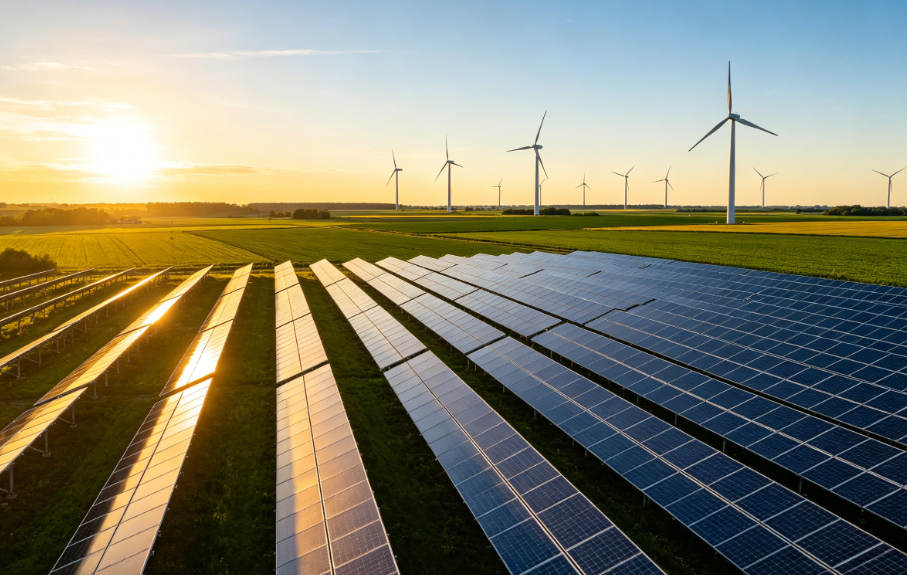
The applications of solar energy are vast and varied, catering to different needs and scales. On a residential level, rooftop solar systems enable homeowners to generate their own electricity, reducing their dependence on the grid and lowering monthly energy bills. For businesses, solar installations can cut operational costs, enhance their sustainability reputation, and even attract eco-conscious customers. On a larger scale, utility-scale solar farms—covering thousands of acres with PV panels—can generate enough electricity to power entire cities. Solar energy also plays a vital role in off-grid communities, where access to traditional power grids is limited, providing clean and reliable electricity for schools, hospitals, and homes in remote areas.
While solar energy offers numerous advantages, it does face some challenges. One of the main limitations is its intermittency: solar panels only generate electricity when the sun is shining, so energy storage solutions (such as batteries) are needed to provide power during nighttime or cloudy days. However, advancements in battery technology, particularly lithium-ion batteries, have made energy storage more efficient and affordable, addressing this issue. Another challenge is the initial cost of installation, although this is often offset by long-term energy savings and government incentives. Additionally, the production of solar panels requires some energy and resources, but the environmental impact is far less than that of fossil fuel production, and most solar panels can last 25-30 years with minimal maintenance.
The future of solar energy is promising, with ongoing innovations set to make it even more efficient and accessible. Researchers are developing new materials for PV panels, such as perovskite, which could significantly boost efficiency and reduce costs. The integration of solar energy with smart grids and other renewable energy sources, such as wind and hydro power, is also creating more resilient and reliable energy systems. Many countries have set ambitious targets to increase their use of solar energy—for example, the European Union aims to generate 40% of its electricity from renewable sources by 2030, with solar energy playing a key role.
In conclusion, solar energy is a clean, renewable, and increasingly accessible power source that holds the key to a greener future. It offers environmental, economic, and social benefits, from reducing carbon emissions to lowering energy costs and improving energy access. While challenges remain, ongoing technological advancements and global commitment to sustainability are driving the growth of solar energy. As we continue to harness the power of the sun, we move closer to a world where clean, renewable energy is the norm, protecting our planet and ensuring a sustainable future for generations to come.