Solar Energy: The Future of Clean, Sustainable Power

In an era marked by growing concerns about climate change, environmental degradation, and the depletion of finite fossil fuels, solar energy has emerged as a beacon of hope for a more sustainable future. Harnessing the infinite power of the sun, solar energy offers a clean, renewable, and accessible solution to meet the world’s growing energy needs. From small-scale residential installations to large-scale utility projects, solar technology is reshaping the global energy landscape, proving that sustainable power can be both efficient and affordable.

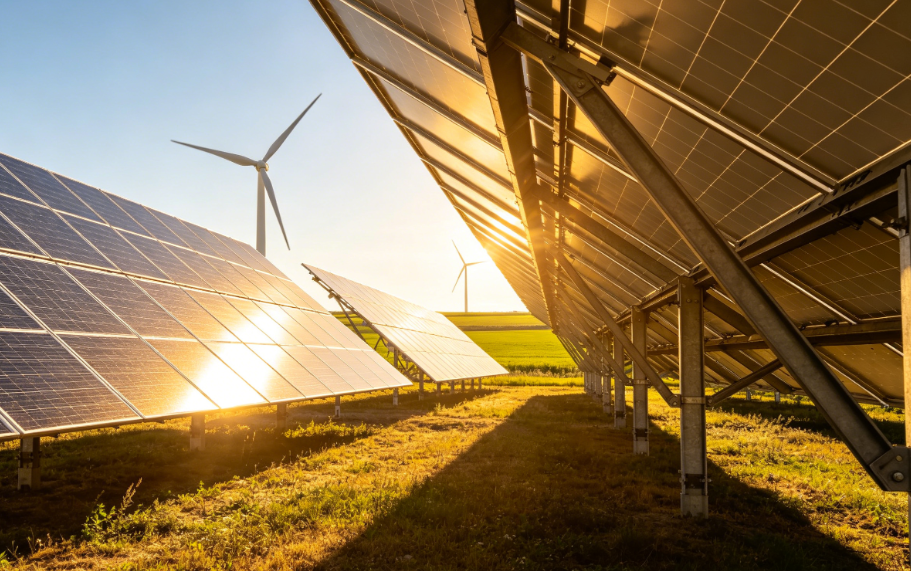
At its core, solar energy is derived from the sun’s radiation, which is converted into usable electricity or heat through specialized technologies. The most common and widely used method is photovoltaic (PV) technology, which uses solar panels to convert sunlight directly into electrical energy. These panels are made up of semiconductor cells that absorb sunlight, exciting electrons and creating an electric current. This current can then be used to power homes, businesses, and even entire communities, or stored in batteries for later use when sunlight is not available.
Another key application of solar energy is solar thermal technology, which focuses on capturing the sun’s heat rather than converting it into electricity. This heat can be used to warm water for residential and commercial use, heat buildings, or even power industrial processes. Solar thermal systems are particularly useful in regions with high heating needs, offering an eco-friendly alternative to traditional fossil fuel-based heating.
One of the most compelling advantages of solar energy is its environmental friendliness. Unlike coal, oil, or natural gas, solar power produces no greenhouse gas emissions, no air or water pollution, and no toxic waste. This makes it a critical tool in the fight against climate change, helping to reduce carbon footprints and protect the planet. Additionally, solar energy is a renewable resource— the sun’s energy is infinite, meaning it will never run out, unlike finite fossil fuels that are rapidly being depleted.
Over the past decade, solar energy has become increasingly accessible and affordable, thanks to advancements in technology and economies of scale. The cost of solar panels has dropped by more than 90% since 2010, making solar installations feasible for homeowners, small businesses, and governments alike. Many countries now offer incentives such as tax credits, rebates, and net metering programs, which allow solar users to sell excess electricity back to the grid, further reducing costs and increasing the appeal of solar power.
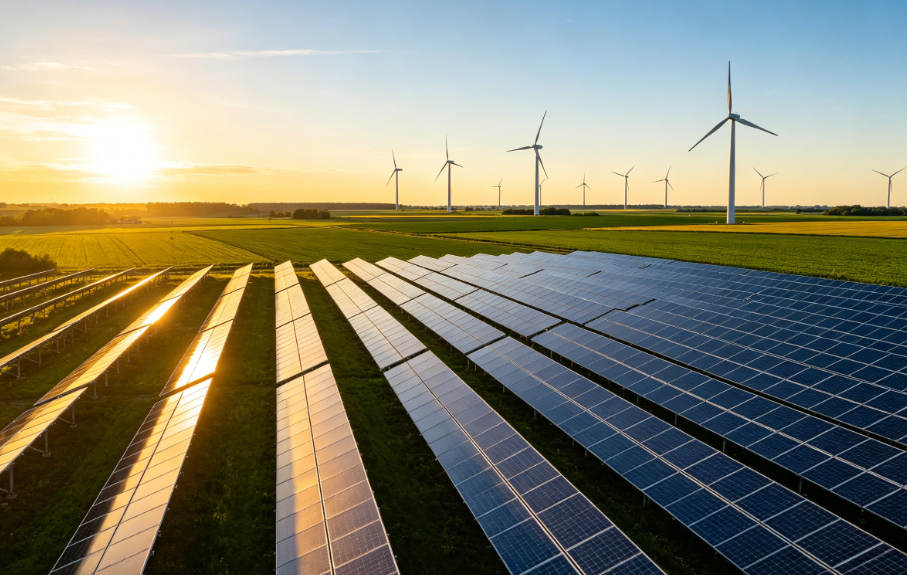
The versatility of solar energy is another major strength. It can be adapted to fit a wide range of needs: residential rooftops can be fitted with small solar systems to power a single home; commercial buildings can use solar panels to cut operational costs and demonstrate environmental responsibility; and utility-scale solar farms can generate enough electricity to power thousands of homes. Solar energy also plays a vital role in providing power to remote areas where traditional power grids are unavailable, improving quality of life and supporting economic development.
While solar energy offers numerous benefits, it is not without challenges. The most significant limitation is its intermittency— solar panels only generate electricity when the sun is shining, so energy storage solutions (such as lithium-ion batteries) are needed to provide power during nighttime or cloudy weather. However, advancements in battery technology have made energy storage more efficient and affordable, addressing this issue. Additionally, the initial cost of installing solar systems can be a barrier for some, but the long-term savings on energy bills often offset this investment.
Looking ahead, the future of solar energy is bright. Ongoing technological innovations are improving the efficiency of solar panels, making them more powerful and cost-effective. Researchers are exploring new materials, such as perovskite, which could significantly boost the performance of PV cells. The integration of solar energy with smart grids and other renewable energy sources, such as wind and hydro power, is also creating more resilient and reliable energy systems.
In a world where sustainability is no longer an option but a necessity, solar energy stands out as a practical, scalable, and environmentally friendly solution. It empowers individuals, businesses, and governments to reduce their reliance on fossil fuels, lower their carbon footprints, and build a cleaner future. As solar technology continues to evolve and become more accessible, it will play an increasingly vital role in shaping a sustainable energy future for generations to come.