Addressing Cervical Spine Problems: Practical Treatments to Alleviate Neck Pain and Improve Spine Health

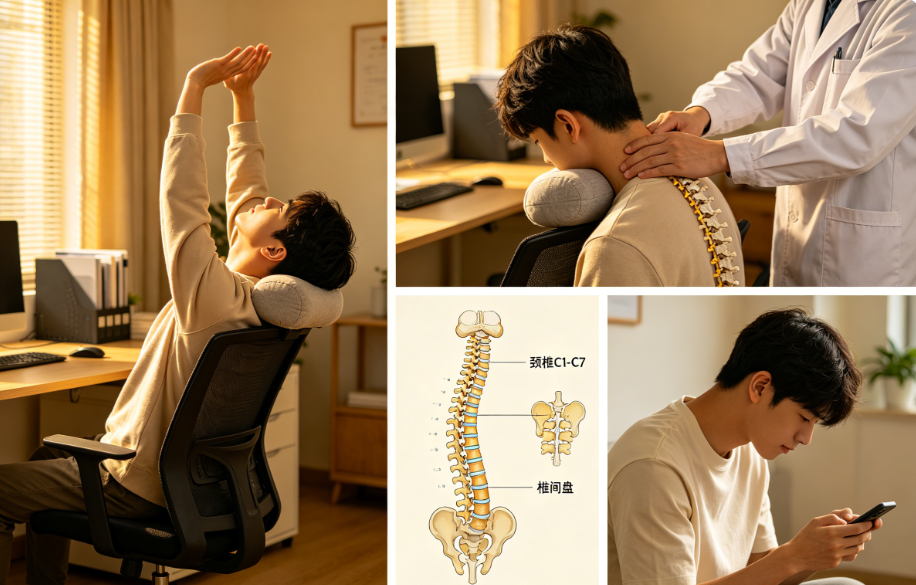
Neck pain and cervical spine issues are increasingly common in today’s fast-paced, screen-centric world, affecting people from all walks of life—whether office workers, students, or frequent smartphone users. The cervical spine, a complex structure of seven vertebrae, intervertebral discs, muscles, and nerves, is responsible for supporting the head and enabling essential movements, yet it is highly vulnerable to strain and injury. Left unaddressed, cervical problems can lead to persistent pain, reduced mobility, and even nerve-related complications that impact daily functioning. This article offers a practical, evidence-based guide to treating cervical spine issues, focusing on non-invasive methods, lifestyle adjustments, and when to seek professional support for long-term relief.
Understanding Cervical Spine Conditions and Their Root Causes
Cervical pain is not a one-size-fits-all issue; it often stems from specific conditions, each with distinct causes and symptoms. Familiarizing yourself with these can help you choose the most effective treatment:
- Acute Cervical Strain: The most common condition, typically caused by poor posture (such as hunching over devices, slouching at a desk, or sleeping in an awkward position), sudden movements (like whiplash from a car accident), or overuse of neck muscles. Symptoms include immediate soreness, stiffness, and difficulty moving the neck.
- Chronic Cervical Pain: Persistent pain lasting more than three months, often resulting from long-term strain, untreated acute injuries, or degenerative changes. It may be accompanied by headaches, shoulder tension, or radiating discomfort.
- Cervical Disc Degeneration: As we age, the soft, shock-absorbing discs in the cervical spine lose moisture and elasticity, leading to stiffness, reduced mobility, and sometimes pain. This is a natural part of aging but can be accelerated by poor posture and repetitive strain.
- Herniated or Bulging Discs: When the outer layer of a cervical disc weakens, the inner gel-like core can bulge or protrude, pressing on nearby nerves. This causes sharp pain, numbness, or tingling that radiates down the arm or into the fingers.
Non-Invasive Treatments for Immediate and Long-Term Relief
Most cervical spine problems can be effectively managed without surgery, using safe, accessible treatments that target pain, reduce inflammation, and restore function. These methods are designed to address both acute discomfort and the underlying causes of chronic pain.
1. Pain Management and Inflammation Reduction
For acute pain and inflammation, over-the-counter (OTC) medications are a reliable first step. Nonsteroidal anti-inflammatory drugs (NSAIDs), such as ibuprofen and naproxen, help reduce swelling and alleviate pain. Topical solutions—including pain-relieving creams, gels, and patches—provide localized relief without the systemic side effects of oral medications. For severe or persistent pain, a healthcare provider may prescribe short-term muscle relaxants, but these should be used under supervision to avoid dependency.
2. Heat and Cold Therapy
Thermal therapy is a simple, cost-effective way to ease cervical pain, and the choice between heat and cold depends on the type of discomfort:
- Cold Therapy: Ideal for acute pain, swelling, or recent injuries (within the first 48 hours). Apply a cold pack (wrapped in a thin towel) to the painful area for 10–15 minutes at a time, 3–4 times a day. Cold numbs the area, reduces inflammation, and helps ease sharp, sudden pain.
- Heat Therapy: Best for chronic pain, stiffness, or muscle tension. Use a heating pad, warm compress, or hot shower for 15–20 minutes to relax tight muscles, improve blood flow, and reduce stiffness. This is particularly effective for morning discomfort or pain caused by long periods of inactivity.
3. Gentle Stretching and Strengthening Exercises
Stretching and strengthening the muscles that support the cervical spine are critical for long-term pain relief and prevention. All exercises should be performed slowly and gently—avoid sudden or forceful movements that could worsen pain. Recommended exercises include:
- Chin Tuck: Sit or stand with your back straight, gently pull your chin toward your chest, feeling a stretch along the back of your neck. Hold for 20 seconds, release, and repeat 3–4 times. This exercise strengthens the neck muscles and corrects forward head posture, a major cause of cervical strain.
- Neck Rotation: Slowly turn your head to one side, keeping your chin level, until you feel a gentle stretch. Hold for 20 seconds, then turn to the other side. Repeat 3 times per side to improve neck mobility.
- Upper Back Stretch: Clasp your hands behind your back, straighten your arms, and gently lift them slightly, pulling your shoulders back. Hold for 15 seconds, repeat 3 times. This stretches the upper back and relieves tension that radiates to the neck.
For personalized guidance, a physical therapist can design an exercise plan tailored to your specific condition, ensuring you target the right muscles without causing further strain.
4. Massage and Manual Therapy
Tight muscle knots, or trigger points, often contribute to cervical pain. Gentle self-massage using your fingertips to knead the neck and shoulder muscles can provide immediate relief. For more persistent tension, consider working with a licensed massage therapist who specializes in neck and spine care. They can target deep muscle tension and improve circulation. Chiropractic adjustments, performed by a qualified professional, can also help realign the cervical vertebrae, reduce nerve compression, and improve mobility—always consult a healthcare provider before starting chiropractic treatment to ensure it is safe for your condition.
Lifestyle Adjustments to Prevent Cervical Strain
Treating cervical spine problems is not just about relieving current pain—it also involves making sustainable lifestyle changes to address root causes and prevent future strain. These simple adjustments can have a profound impact on your neck health:
1. Correct Your Posture
Poor posture is the leading cause of chronic cervical pain. When sitting, keep your back straight, shoulders relaxed, and head aligned with your spine. Position your computer screen at eye level to avoid craning your neck up or down, and hold your smartphone at eye level instead of bending your neck downward (a habit known as “text neck”). When standing, keep your weight evenly distributed and your shoulders back.
2. Take Regular Breaks
If you spend long hours working at a desk or using digital devices, take a 5–10 minute break every 30 minutes. Stand up, stretch your neck and shoulders, and move around to reduce muscle fatigue and tension buildup. This simple habit can prevent the small strains that lead to chronic pain.
3. Optimize Your Sleep Environment
Sleeping with improper support can worsen cervical pain. Choose a pillow that maintains the natural curve of your neck—memory foam or latex pillows are ideal, as they conform to your neck’s shape and provide consistent support. Sleep on your back or side (avoid sleeping on your stomach, as it misaligns the cervical spine and puts unnecessary strain on the neck muscles).
4. Maintain a Healthy Lifestyle
Excess weight puts additional strain on the cervical spine, so maintaining a healthy weight through a balanced diet and regular exercise is important. Low-impact exercises like walking, swimming, or yoga strengthen the neck, shoulder, and upper back muscles, reducing tension and improving overall spine health. Staying hydrated also helps keep the intervertebral discs in the cervical spine moist and flexible.
When to Seek Professional Medical Care
Most cervical spine issues improve with home care and lifestyle adjustments, but it is important to consult a healthcare provider if you experience any of the following warning signs:
- Neck pain that lasts more than 2 weeks, even with consistent home treatment.
- Pain, numbness, or weakness that radiates down the arm or into the fingers (a sign of nerve compression).
- Difficulty moving your neck, or accompanying symptoms like dizziness, severe headaches, blurred vision, or difficulty swallowing.
- Neck pain following a traumatic injury (e.g., car accident, fall), which may indicate whiplash or a more serious spinal injury.
A healthcare provider may order imaging tests (such as X-rays, MRI, or CT scans) to diagnose the underlying condition. In rare cases, advanced treatments like corticosteroid injections (to reduce severe inflammation) or surgery (for severe nerve compression or herniated discs) may be recommended if non-invasive methods are ineffective.
Final Thoughts
Cervical spine problems are common, but they are not something you have to live with. By combining non-invasive treatments, lifestyle adjustments, and proactive self-care, you can alleviate pain, restore mobility, and protect your neck health for the long term. Remember, small, consistent changes—like improving your posture, taking regular breaks, and doing daily stretches—are key to preventing and managing cervical pain. If pain persists, don’t hesitate to seek professional help to address the root cause and enjoy a pain-free, active life.