How to Treat Cervical Spine Issues: A Comprehensive Guide to Neck Health
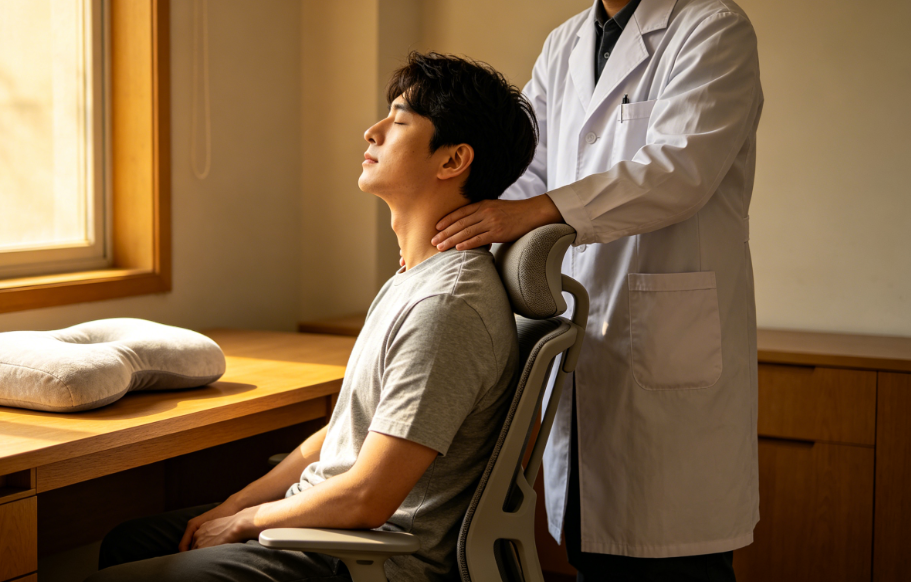
Neck pain and cervical spine issues have become increasingly common in modern life, driven by sedentary lifestyles, prolonged screen use, poor posture, and repetitive movements. The cervical spine, which consists of seven vertebrae supporting the head and enabling flexible movement, is vulnerable to strain, injury, and degenerative changes. Left unaddressed, cervical problems can lead to persistent pain, limited mobility, and even radiating discomfort to the arms or head. This article outlines evidence-based treatments, practical self-care strategies, and preventive measures to help manage and resolve cervical spine issues effectively.
Understanding Common Cervical Spine Issues
Cervical spine problems encompass a range of conditions, each with distinct causes and symptoms. The most prevalent issues include:
- Cervical Muscle Strain: The most common issue, often caused by poor posture (such as hunching over phones or computers), sudden twists, or overuse. Symptoms include stiffness, soreness, and limited neck movement.
- Cervical Spondylosis: Age-related wear and tear of the cervical vertebrae and discs, leading to stiffness, pain, and sometimes nerve compression. It is more common in adults over 40 but can occur earlier due to chronic strain.
- Herniated Cervical Disc: When the soft, gel-like center of a spinal disc pushes through its outer layer, pressing on nearby nerves. This can cause sharp pain, numbness, or tingling in the neck, shoulders, or arms.
- Cervical Radiculopathy: Nerve irritation or compression in the cervical spine, often resulting from a herniated disc or bone spurs, leading to radiating pain and weakness in the affected arm.
Regardless of the specific issue, the goal of treatment is to reduce pain, restore mobility, address the root cause, and prevent further damage to the cervical spine.
Non-Invasive Treatment Options for Cervical Pain
Most cervical spine issues can be effectively managed with non-invasive treatments, which are often the first line of care before considering more aggressive interventions. These treatments focus on relieving pain, reducing inflammation, and strengthening the supporting muscles.
1. Pain Management and Inflammation Reduction
For acute pain and inflammation, over-the-counter (OTC) medications can provide temporary relief. Nonsteroidal anti-inflammatory drugs (NSAIDs), such as ibuprofen or naproxen, help reduce swelling and pain. Topical treatments, including pain-relieving creams, gels, or patches containing menthol or lidocaine, can also target localized discomfort without systemic side effects. For more severe pain, a healthcare provider may prescribe muscle relaxants or stronger pain medications, but these should be used short-term to avoid dependency.
2. Heat and Cold Therapy
Thermal therapy is a simple yet effective way to relieve cervical pain: – Cold Therapy: Apply a cold pack (wrapped in a towel) to the painful area for 10–15 minutes at a time, especially within the first 48 hours of a strain or injury. Cold reduces inflammation and numbs the area, easing acute pain. – Heat Therapy: After 48 hours, switch to heat (a heating pad, warm compress, or hot shower) to relax tight muscles, improve blood flow, and reduce stiffness. Heat is particularly effective for chronic pain and morning stiffness.
3. Physical Therapy and Targeted Exercises
Physical therapy (PT) is a cornerstone of cervical spine treatment, as it addresses muscle weakness, poor posture, and limited mobility. A physical therapist will design a personalized plan that may include:
- Stretching Exercises: Gentle stretches to improve neck flexibility, such as chin tucks, side tilts, and neck rotations. These exercises release tension and restore range of motion without straining the spine.
- Strengthening Exercises: Targeted exercises to build strength in the neck, shoulders, and upper back—muscles that support the cervical spine. Examples include shoulder squeezes, neck isometrics, and resistance band exercises.
- Posture Correction: Guidance on maintaining proper posture while sitting, standing, and using digital devices to reduce strain on the cervical spine.
Even without a physical therapist, simple at-home exercises can help. For example, chin tucks (pulling the chin toward the chest) strengthen the neck muscles and improve alignment, while shoulder rolls relieve tension in the upper back.
4. Massage and Manual Therapy
Gentle massage can release tight muscle knots (trigger points) that contribute to cervical pain. Self-massage using fingertips to knead the neck and shoulder muscles can provide relief, or you can seek a professional massage therapist trained in neck and spine care. Chiropractic adjustments, when performed by a licensed professional, can also help realign the cervical vertebrae, reduce nerve compression, and improve mobility—though this should be done under the guidance of a healthcare provider.
Lifestyle Adjustments to Prevent and Manage Cervical Issues
Long-term relief from cervical spine problems requires addressing the lifestyle factors that contribute to strain. These simple changes can make a significant difference in reducing pain and preventing recurrence:
1. Improve Posture
Poor posture is the leading cause of cervical strain. When sitting, keep your back straight, shoulders relaxed, and head aligned with your spine. Position computer screens at eye level to avoid craning your neck upward or downward, and hold smartphones at eye level instead of bending your neck downward (a habit known as “text neck”).
2. Take Regular Breaks
If you spend long hours working at a desk or using digital devices, take a 5–10 minute break every 30 minutes. Stand up, stretch your neck and shoulders, and move around to reduce muscle fatigue and strain.
3. Choose the Right Pillow and Sleep Position
Sleeping with improper support can worsen cervical pain. Choose a pillow that maintains the natural curve of your neck—memory foam or latex pillows are ideal, as they conform to your neck’s shape. Sleep on your back or side (avoid sleeping on your stomach, as it misaligns the cervical spine) and ensure your head and neck are fully supported.
4. Maintain a Healthy Weight and Stay Active
Excess weight puts additional strain on the cervical spine, while regular physical activity strengthens the muscles that support the neck and upper back. Low-impact exercises like walking, swimming, or yoga can improve overall fitness and reduce tension.
When to Seek Professional Help
Most cervical spine issues improve with non-invasive treatments, but it’s important to consult a healthcare provider if you experience:
- Persistent neck pain that lasts more than 2 weeks, even with home care.
- Pain, numbness, or weakness that radiates down the arm or into the fingers.
- Difficulty moving your neck, or accompanying symptoms like dizziness, severe headaches, or difficulty swallowing.
- Neck pain following a traumatic injury (e.g., car accident, fall), which may indicate whiplash or a more serious spinal injury.
A healthcare provider may order imaging tests (such as X-rays, MRI, or CT scans) to diagnose the underlying issue and recommend advanced treatments, such as corticosteroid injections for severe inflammation or surgery for severe nerve compression or herniated discs (though surgery is rarely needed).
Final Thoughts on Cervical Spine Health
Cervical spine issues are common, but they are not inevitable. By combining non-invasive treatments, lifestyle adjustments, and proactive self-care, you can relieve pain, restore mobility, and protect your cervical spine. Remember, small, consistent changes—like improving your posture, taking regular breaks, and doing daily stretches—can go a long way in maintaining neck health. If pain persists, don’t hesitate to seek professional help to avoid long-term complications and ensure you can live a pain-free, active life.