Treating Cervical Spine Problems: Practical Solutions for Neck Pain Relief and Long-Term Health
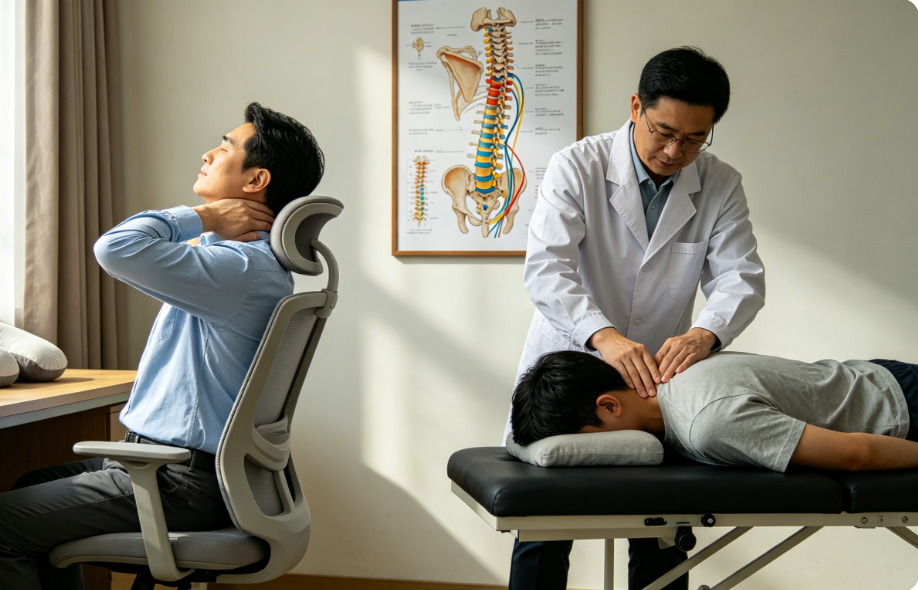
In an era dominated by screen time, sedentary work, and poor posture, cervical spine problems—ranging from mild neck stiffness to chronic pain—have become a global health concern. The cervical spine, a delicate structure of seven vertebrae, discs, muscles, and nerves, supports the weight of the head (approximately 10–12 pounds) and enables essential movements like turning, tilting, and nodding. When strained or injured, it can disrupt daily activities, affect sleep, and even lead to nerve-related complications. This article provides a comprehensive, evidence-based guide to treating cervical spine issues, focusing on non-invasive methods, lifestyle adjustments, and when to seek professional care.
Common Cervical Spine Conditions and Their Causes
Cervical pain often stems from a combination of lifestyle factors and underlying conditions. Understanding these can help target treatment effectively:
- Cervical Muscle Strain: The most common cause, triggered by poor posture (e.g., “text neck” from hunching over phones, slouching at desks), sudden movements (like whiplash from a car accident), or repetitive tasks (e.g., typing, lifting). Symptoms include soreness, stiffness, and limited neck mobility.
- Cervical Spondylosis: Age-related wear and tear of the cervical vertebrae and discs, leading to bone spurs, disc degeneration, and stiffness. It is common in adults over 40 but can develop earlier due to chronic strain.
- Herniated Cervical Disc: When the soft inner core of a spinal disc protrudes through its outer layer, pressing on nearby nerves. This causes sharp pain, numbness, or tingling that radiates to the shoulders, arms, or fingers.
- Cervical Radiculopathy: Nerve irritation or compression in the cervical spine, often from a herniated disc or bone spurs, resulting in radiating pain, weakness, or numbness in the affected arm.
Non-Invasive Treatment Methods for Cervical Pain
Most cervical spine issues can be managed effectively with non-invasive treatments, which are safe, accessible, and focus on relieving pain, reducing inflammation, and restoring function.
1. Pain and Inflammation Management
For acute pain and inflammation, over-the-counter (OTC) medications are a first-line option. Nonsteroidal anti-inflammatory drugs (NSAIDs), such as ibuprofen and naproxen, help reduce swelling and alleviate pain. Topical treatments—including menthol-based creams, lidocaine patches, and herbal gels—provide localized relief without systemic side effects. For severe pain, a healthcare provider may prescribe short-term muscle relaxants, but these should be used cautiously to avoid dependency.
2. Thermal Therapy (Heat and Cold)
Thermal therapy is a simple, cost-effective way to relieve cervical pain:
- Cold Therapy: Apply a cold pack (wrapped in a towel) to the painful area for 10–15 minutes, 3–4 times a day, especially within the first 48 hours of a strain or injury. Cold reduces inflammation, numbs the area, and eases acute pain.
- Heat Therapy: After 48 hours, switch to heat to relax tight muscles, improve blood flow, and reduce stiffness. Use a heating pad, warm compress, or hot shower for 15–20 minutes. Heat is particularly effective for chronic pain and morning stiffness.
3. Targeted Exercises and Stretching
Exercises and stretches are critical for strengthening the muscles that support the cervical spine and improving flexibility. Always perform movements slowly and gently—avoid sharp or forceful actions that worsen pain. Recommended exercises include:
- Chin Tuck: Sit or stand tall, gently pull your chin toward your chest, feeling a stretch at the back of your neck. Hold for 20 seconds, repeat 3–4 times. This strengthens neck muscles and corrects forward head posture.
- Neck Side Tilt: Tilt your head slowly to one side, bringing your ear toward your shoulder (keep the opposite shoulder down). Hold for 20 seconds, then switch sides. Repeat 3 times per side to release tension.
- Shoulder Squeeze: Sit or stand tall, squeeze your shoulder blades together behind your back, hold for 5 seconds, then release. Repeat 10 times to strengthen upper back muscles, which support the cervical spine.
For personalized guidance, a physical therapist can design a tailored exercise plan to address specific weaknesses or limitations.
4. Massage and Manual Therapy
Gentle massage helps release tight muscle knots (trigger points) that contribute to cervical pain. Self-massage using fingertips to knead the neck and shoulder muscles can provide relief, or you can consult a licensed massage therapist specializing in neck and spine care. Chiropractic adjustments, when performed by a qualified professional, can realign the cervical vertebrae, reduce nerve compression, and improve mobility—always consult a healthcare provider before starting chiropractic treatment.
Lifestyle Adjustments to Prevent and Manage Cervical Issues
Long-term relief from cervical pain requires addressing the root causes, which often involve lifestyle habits. These simple changes can reduce strain and prevent recurrence:
1. Improve Posture
Poor posture is the leading cause of chronic cervical strain. When sitting, keep your back straight, shoulders relaxed, and head aligned with your spine. Position computer screens at eye level to avoid craning your neck, and hold smartphones at eye level instead of bending your neck downward.
2. Take Regular Breaks
If you work at a desk or use digital devices for long hours, take a 5–10 minute break every 30 minutes. Stand up, stretch your neck and shoulders, and move around to reduce muscle fatigue.
3. Choose the Right Pillow and Sleep Position
Sleeping with improper support worsens cervical pain. Select a pillow that maintains the natural curve of your neck—memory foam or latex pillows are ideal. Sleep on your back or side (avoid sleeping on your stomach, as it misaligns the cervical spine) to ensure your head and neck are fully supported.
4. Maintain a Healthy Weight and Stay Active
Excess weight puts additional strain on the cervical spine. Regular low-impact exercise, such as walking, swimming, or yoga, strengthens the neck, shoulders, and upper back muscles, reducing tension and improving overall spine health.
When to Seek Professional Medical Help
Most cervical spine issues improve with home care and lifestyle adjustments, but consult a healthcare provider if you experience:
- Persistent neck pain that lasts more than 2 weeks, even with home treatment.
- Pain, numbness, or weakness that radiates down the arm or into the fingers.
- Difficulty moving your neck, or accompanying symptoms like dizziness, severe headaches, or difficulty swallowing.
- Neck pain following a traumatic injury (e.g., car accident, fall), which may indicate whiplash or a spinal injury.
A healthcare provider may order imaging tests (X-rays, MRI, or CT scans) to diagnose the underlying condition. Advanced treatments, such as corticosteroid injections for severe inflammation or surgery for severe nerve compression (rarely needed), may be recommended if non-invasive methods are ineffective.
Final Thoughts
Cervical spine problems are common, but they are manageable with the right approach. By combining non-invasive treatments, lifestyle adjustments, and proactive self-care, you can relieve pain, restore mobility, and protect your cervical spine. Remember, small, consistent changes—like improving posture, taking breaks, and doing daily stretches—are key to long-term neck health. If pain persists, don’t hesitate to seek professional help to avoid complications and enjoy a pain-free, active life.