Spot Removal: Safe and Effective Solutions for a Clear, Even Complexion
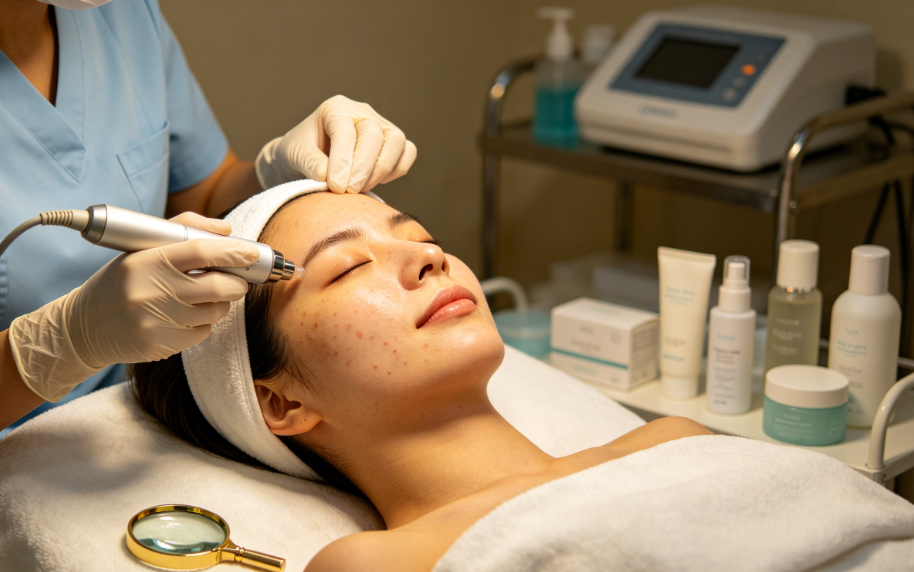
Skin spots, whether caused by sun exposure, hormonal changes, aging, or post-inflammatory hyperpigmentation, are a common aesthetic concern that can affect people of all skin types and ages. These discolored patches—including sun spots, age spots, melasma, and post-acne scars—not only impact one’s appearance but can also diminish self-confidence. While over-the-counter products may offer mild improvement, professional spot removal treatments provide targeted, long-lasting results that address the root cause of discoloration. This article explores the causes of skin spots, popular professional treatments, at-home care tips, and key considerations to help you achieve a clear, even-toned complexion.
To effectively address skin spots, it’s essential to understand their underlying causes. The primary culprit behind most spots is excess melanin production, the pigment that gives skin its color. When melanin is overproduced or unevenly distributed, it forms dark patches on the skin’s surface. Sun exposure is the leading cause of spots like sun spots and age spots—UV rays trigger melanin production as a defense mechanism, and over time, this can lead to accumulated pigmentation. Hormonal fluctuations, such as those during pregnancy, menopause, or while taking birth control, can cause melasma, a common condition characterized by brown or grayish patches on the face. Post-inflammatory hyperpigmentation occurs after skin irritation or injury, such as acne, cuts, or burns, as the skin produces excess melanin during the healing process. Aging also plays a role, as the skin’s ability to regulate melanin fades over time, leading to age spots.
Professional spot removal treatments, offered by beauty hospitals and dermatology clinics, are designed to target excess melanin, break down existing pigment deposits, and restore an even skin tone—all while protecting the skin’s natural barrier. These treatments are performed by trained medical professionals using advanced technology and medical-grade products, ensuring safety and effectiveness.
Laser spot removal is one of the most popular and effective professional treatments. This advanced procedure uses targeted laser energy to penetrate the skin’s deeper layers, where melanin is stored. The laser specifically targets and breaks down excess melanin into small particles, which are then naturally eliminated by the body’s immune system. Laser treatment is highly precise, allowing it to target spots without damaging surrounding healthy skin. It is ideal for treating sun spots, age spots, and post-acne scars, and can also improve overall skin texture. The number of sessions required depends on the size, color, and depth of the spots, but most patients see noticeable results after 2-4 sessions. Downtime is minimal, with mild redness or peeling that fades within a few days.
Medical-grade chemical peels are another effective option for spot removal. These peels use high-concentration acids, such as glycolic acid, salicylic acid, or trichloroacetic acid, to gently exfoliate the outer layer of the skin. This process removes dead skin cells and fades pigmented spots by sloughing off the top layer of skin, where melanin deposits are most concentrated. The strength of the peel is customized to the patient’s skin type and the severity of their spots—gentle peels for sensitive skin and deeper peels for more stubborn pigmentation. Chemical peels not only fade spots but also improve skin texture, leaving it smoother and more radiant. Recovery time varies based on the peel strength, with mild peels requiring no downtime and deeper peels requiring a few days of recovery.
Intense Pulsed Light (IPL) therapy is a non-invasive treatment that uses broad-spectrum light to target pigmentation. Unlike laser treatment, which uses a single wavelength, IPL uses multiple wavelengths to address a range of skin concerns, including spots, redness, and uneven tone. The light energy is absorbed by melanin, breaking it down and stimulating collagen production. IPL is ideal for treating mild to moderate spots, melasma, and sun damage, and requires no downtime. Multiple sessions are typically needed to achieve optimal results, but patients can return to their daily activities immediately after each session.
In addition to professional treatments, at-home care is crucial for preventing spots and maintaining the results of spot removal treatments. Sun protection is the most important step—UV rays are the primary cause of new spots and can worsen existing ones. Apply a broad-spectrum sunscreen with SPF 30 or higher every day, even on cloudy days, and reapply every two hours when outdoors. Complement sunscreen with protective clothing, hats, and sunglasses to further shield your skin from UV damage.
Incorporating gentle, brightening skincare products into your daily routine can also help fade mild spots and prevent new ones. Look for products containing ingredients like vitamin C, niacinamide, kojic acid, or tranexamic acid—these ingredients inhibit melanin production, brighten the skin, and fade existing pigmentation. Avoid harsh exfoliants or products with irritating ingredients, as they can damage the skin’s barrier and trigger more melanin production. It’s also important to maintain a consistent skincare routine, as results from at-home products take time and consistency.
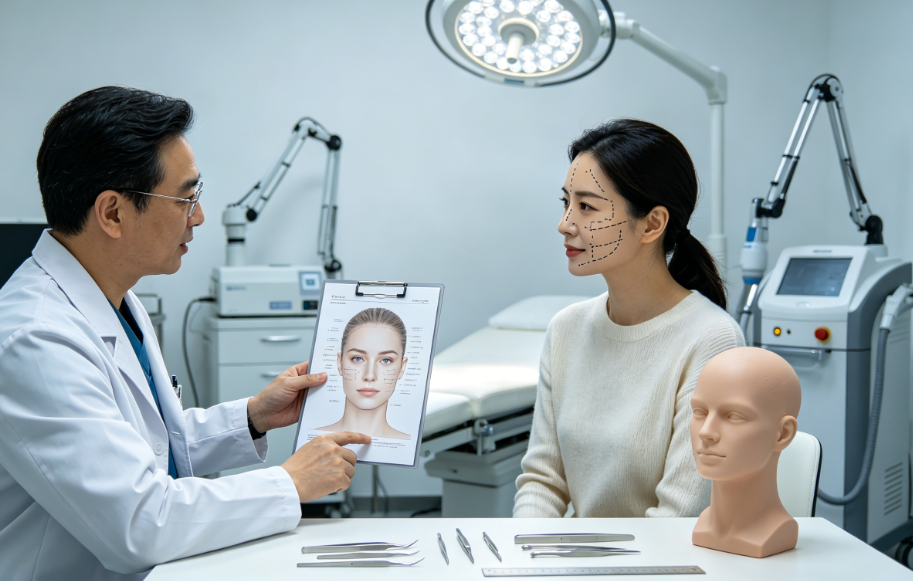
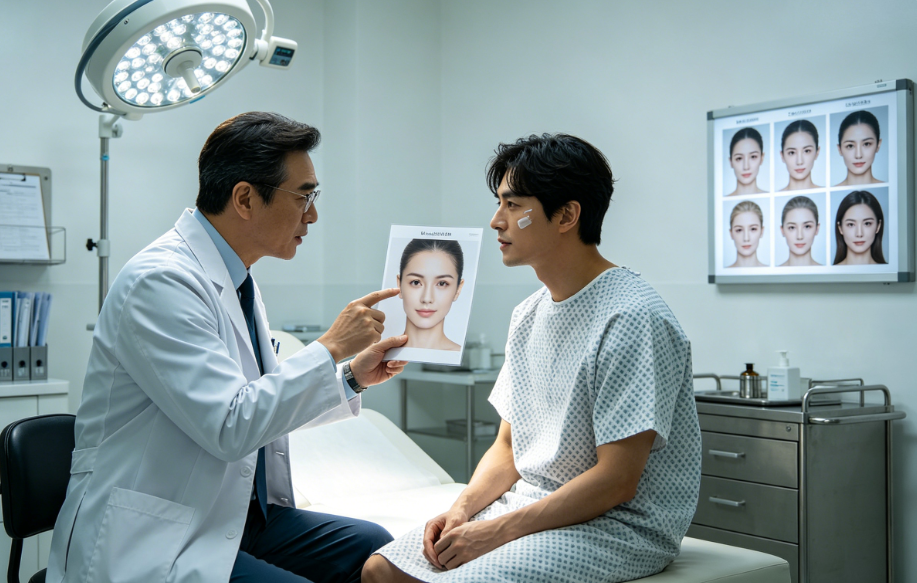
Before undergoing any spot removal treatment, it’s essential to consult a licensed dermatologist or skincare professional. They will conduct a thorough skin assessment to determine the type of spots, their cause, and the most suitable treatment plan for your skin type. They will also explain the treatment process, potential risks, recovery time, and expected results, ensuring you have realistic expectations.
It’s important to remember that spot removal is not a one-time solution. To maintain an even complexion, you must continue with sun protection and a consistent skincare routine. Results vary depending on the type and severity of the spots, as well as your adherence to post-treatment care. Patience is key—most treatments require multiple sessions and time for the skin to heal and regenerate.
In conclusion, skin spots are a common concern, but with the right professional treatments and at-home care, achieving a clear, even-toned complexion is possible. Professional treatments like laser therapy, chemical peels, and IPL offer safe, effective solutions to target excess pigmentation, while sun protection and gentle skincare help prevent future spots. By working with a qualified professional and prioritizing your skin’s health, you can fade spots, boost your confidence, and enjoy a radiant, even complexion.