Effective Spot Removal: How to Achieve a Bright, Even Complexion
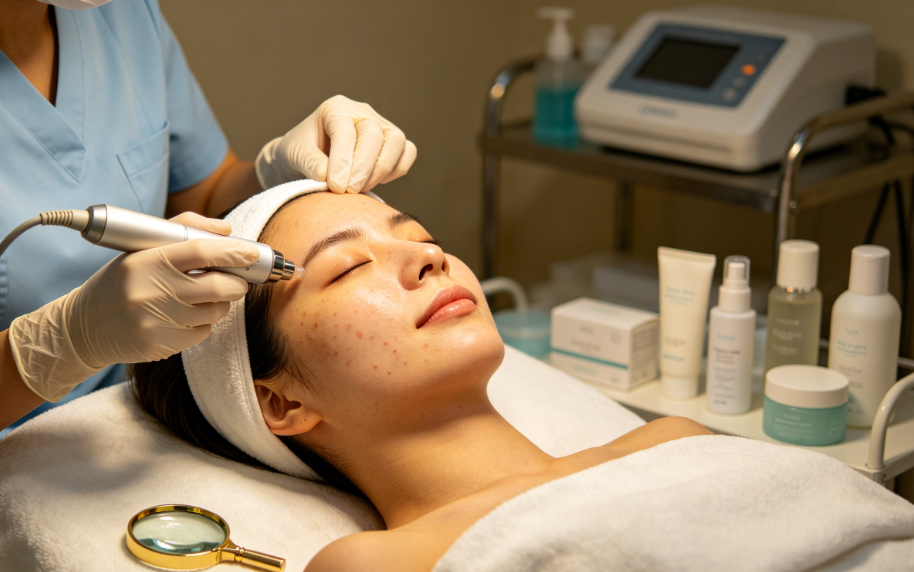
Dark spots, often referred to as hyperpigmentation, are a widespread skincare concern that affects people across all ages and skin types. These discolored patches on the skin—ranging from light brown to dark brown or even gray—can appear on the face, neck, hands, and other areas frequently exposed to the sun. While they are typically harmless, spots can diminish one’s confidence and leave the skin looking uneven. From sun spots and melasma to post-acne scars, understanding the causes of these spots and the most effective ways to treat them is key to achieving a clear, radiant complexion. This article delves into the science behind spot formation, professional treatments offered at beauty salons and clinics, and practical at-home care to fade spots and prevent their return.
The root cause of most dark spots is an overproduction or uneven distribution of melanin, the pigment responsible for giving skin its natural color. Melanin acts as the skin’s defense against harmful UV rays, but when triggered excessively, it accumulates in certain areas, forming spots. Sun exposure is the primary trigger—prolonged or unprotected exposure to UV light stimulates melanocytes (cells that produce melanin) to produce more pigment, leading to sun spots (also called age spots or liver spots) over time. Hormonal changes, such as those during pregnancy, breastfeeding, or while using hormonal contraceptives, can cause melasma, a condition characterized by large, patchy areas of hyperpigmentation, most commonly on the cheeks, forehead, and upper lip. Post-inflammatory hyperpigmentation (PIH) occurs after the skin experiences inflammation or injury, such as acne breakouts, cuts, burns, or even harsh skincare treatments, as the skin overproduces melanin during the healing process.
While at-home products like brightening serums or creams can help fade mild spots over time, professional treatments are the most efficient way to target stubborn, deep-seated pigmentation. Beauty salons and dermatology clinics offer a range of safe, science-backed treatments that penetrate the skin’s layers to break down excess melanin and restore an even tone, performed by trained skincare professionals to ensure optimal results and minimal risk.
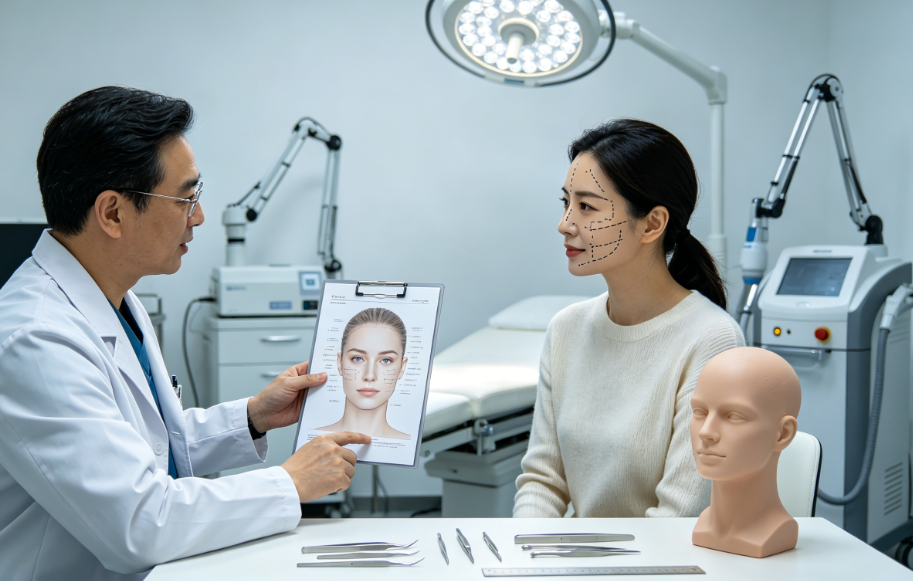
Laser spot removal is one of the most popular and effective professional treatments for hyperpigmentation. This non-invasive procedure uses focused laser energy to target and break down melanin deposits in the skin. The laser’s wavelength is calibrated to be absorbed specifically by melanin, leaving the surrounding healthy skin cells unharmed. Once the melanin is broken into tiny particles, the body’s immune system naturally eliminates them over time. Laser treatment is highly versatile, effective for sun spots, age spots, PIH, and even some cases of melasma. Most patients require 2-4 sessions to see full results, with each session lasting 15-30 minutes. Post-treatment, the treated area may appear slightly red or peel for a few days, but downtime is minimal, allowing patients to resume their daily routines quickly.
Chemical peels are another widely used treatment for spot removal in salons. These treatments involve applying a medical-grade chemical solution (such as glycolic acid, salicylic acid, or trichloroacetic acid) to the skin, which gently exfoliates the outer layer, removing dead skin cells and fading surface pigmentation. The strength of the peel is customized based on the patient’s skin type and the severity of their spots—gentle peels for sensitive skin and deeper peels for more stubborn pigmentation. Chemical peels not only fade spots but also improve skin texture, reduce fine lines, and boost radiance. Recovery time varies: mild peels may cause minimal redness, while deeper peels may require a few days of peeling and downtime.
Intense Pulsed Light (IPL) therapy is a gentle, non-laser treatment that uses broad-spectrum light to target hyperpigmentation. Unlike laser treatment, which uses a single wavelength, IPL uses multiple wavelengths to address multiple skin concerns at once, including spots, redness, and uneven tone. The light energy is absorbed by melanin, breaking it down and stimulating collagen production to improve skin texture. IPL is ideal for mild to moderate spots, melasma, and sun damage, and requires no downtime—patients can return to work or daily activities immediately after each session. Multiple sessions (usually 3-5) are needed to achieve optimal results, with sessions spaced 2-4 weeks apart.
Regardless of the treatment chosen, post-treatment care and prevention are crucial to maintaining results and preventing new spots from forming. Sun protection is non-negotiable—UV rays are the leading cause of new hyperpigmentation and can reverse the effects of spot removal treatments. Apply a broad-spectrum sunscreen with SPF 30 or higher every morning, even on cloudy days, and reapply every two hours when outdoors. Wear protective clothing, wide-brimmed hats, and sunglasses to shield the skin from direct sun exposure.
Incorporating a gentle, brightening skincare routine at home can complement professional treatments and fade mild spots. Look for products containing ingredients like vitamin C (a powerful antioxidant that inhibits melanin production), niacinamide (which reduces pigmentation and strengthens the skin barrier), kojic acid (a natural brightener), or tranexamic acid (effective for melasma). Avoid harsh exfoliants, scrubs, or products with alcohol, as they can irritate the skin and trigger more melanin production. Consistency is key—at-home products take 4-8 weeks to show visible results, so patience is essential.
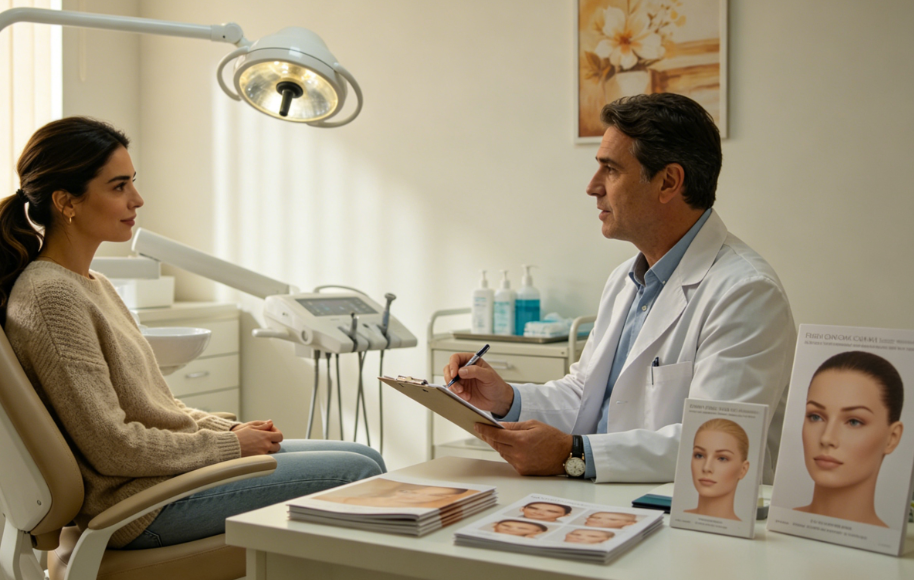
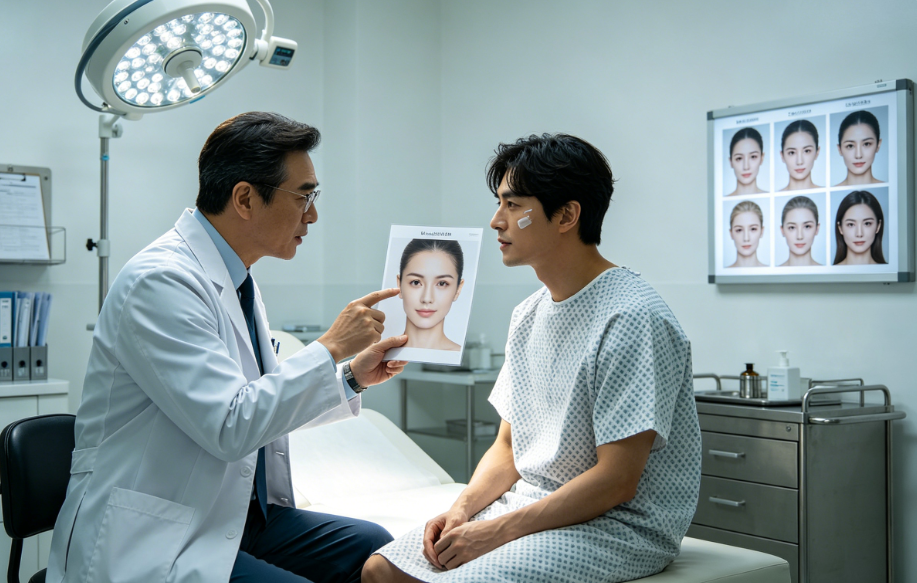
Before undergoing any spot removal treatment, it’s important to consult a licensed skincare professional or dermatologist. They will assess your skin type, identify the type of spots you have, and recommend the most suitable treatment plan. They will also explain the treatment process, potential risks (such as temporary redness, peeling, or rare scarring), and expected results, ensuring you have realistic expectations.
It’s also important to note that spot removal is not a one-time fix. To maintain an even complexion, you must commit to long-term sun protection and a consistent skincare routine. Factors like hormonal changes, stress, and lifestyle habits can also affect melanin production, so staying mindful of these can help prevent spots from returning.
In conclusion, dark spots are a common skincare concern, but with the right combination of professional treatments and at-home care, achieving a bright, even complexion is achievable. Professional treatments like laser therapy, chemical peels, and IPL offer targeted, long-lasting results, while sun protection and gentle skincare prevent future pigmentation. By working with a qualified professional and prioritizing your skin’s health, you can fade spots, boost your confidence, and enjoy a radiant, flawless complexion.