Cervical Spine Health: Understanding, Preventing, and Relieving Neck Discomfort
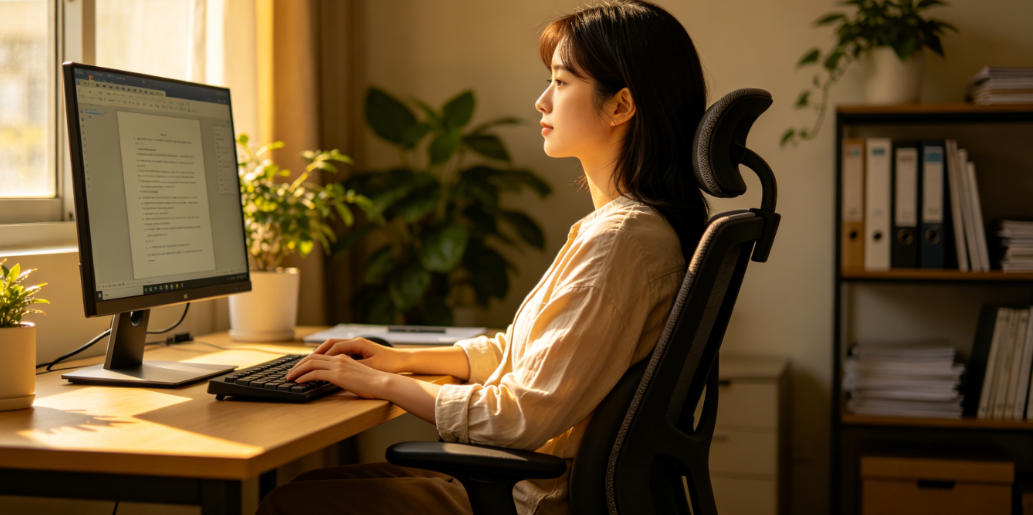
The cervical spine, or neck, is a vital and delicate part of the human body, supporting the weight of the head (which weighs an average of 10–12 pounds) and enabling flexible movement. Yet, in today’s digital age, poor posture, prolonged screen use, and sedentary lifestyles have made cervical spine issues increasingly common. From mild stiffness to chronic pain, neck discomfort can disrupt daily activities, affect sleep, and even lead to long-term complications if left unaddressed. This article explores the basics of cervical spine health, common issues, and practical strategies to prevent and relieve neck pain.
An Overview of the Cervical Spine
The cervical spine consists of seven vertebrae (C1 to C7) that run from the base of the skull to the upper back. These vertebrae are separated by intervertebral discs, which act as shock absorbers, and supported by muscles, ligaments, and tendons that provide stability and flexibility. The cervical spine allows for a range of movements, including turning the head, tilting it side to side, and nodding up and down. However, its flexibility also makes it vulnerable to strain, injury, and degenerative changes over time.
Common Cervical Spine Issues and Their Causes
Most cervical spine problems stem from lifestyle factors, while others may be due to injury, aging, or underlying conditions. The most common issues include:
1. Cervical Muscle Strain
This is the most common cause of neck pain, often resulting from poor posture (such as hunching over computers or smartphones, also known as “text neck”), sudden movements (like a quick twist or whiplash), or overuse of neck muscles (such as holding the head in one position for extended periods). Symptoms include stiffness, soreness, and limited range of motion.
2. Cervical Spondylosis (Degenerative Disc Disease)
As people age, the intervertebral discs in the cervical spine lose moisture and elasticity, leading to wear and tear. This can cause the discs to bulge or herniate, putting pressure on nearby nerves. Symptoms may include neck pain, stiffness, and radiating pain or numbness down the arms.
3. Cervical Radiculopathy
This occurs when a nerve root in the cervical spine is compressed or irritated, often due to a herniated disc or bone spurs. It causes radiating pain, numbness, tingling, or weakness in the arm, hand, or fingers, corresponding to the affected nerve.
4. Poor Posture and Forward Head Posture
Prolonged slouching or holding the head forward (common when using phones, tablets, or computers) shifts the weight of the head forward, putting excessive strain on the cervical spine and surrounding muscles. Over time, this can lead to chronic stiffness and pain.
Preventing Cervical Spine Issues
Preventing cervical spine problems is far easier than treating them. Incorporating these habits into your daily routine can help protect your neck and maintain its health:
1. Maintain Good Posture
When sitting, keep your back straight, shoulders relaxed, and your head aligned with your spine. Your computer screen should be at eye level, and your arms should rest comfortably at your sides. When using a smartphone, hold it at eye level instead of bending your neck downward. Avoid slouching or leaning forward for extended periods.
2. Take Regular Breaks
If you work at a desk or use digital devices for long hours, take a 5–10 minute break every 30 minutes. Stand up, stretch your neck and shoulders, and move your head in gentle circles to relieve tension. This helps prevent muscle fatigue and strain.
3. Choose a Supportive Pillow
Sleeping with the right pillow is crucial for cervical spine health. Choose a pillow that supports your neck’s natural curve—avoid pillows that are too thick, too flat, or too soft. Memory foam or latex pillows are ideal, as they conform to the shape of your neck and provide consistent support. Sleep on your back or side (avoid sleeping on your stomach, as it strains the neck).
4. Strengthen Neck and Shoulder Muscles
Strong muscles help support the cervical spine and reduce the risk of strain. Incorporate gentle exercises into your routine, such as shoulder squeezes, chin tucks, and lateral neck stretches. These exercises strengthen the muscles and improve flexibility without putting excessive strain on the neck.
Relieving Cervical Pain: Home Remedies and Treatments
If you already experience neck pain or stiffness, these home remedies can help relieve discomfort:
1. Gentle Stretching
Perform slow, gentle stretches to relax tight muscles. Try tilting your head to the side, turning it slowly, and doing chin tucks. Hold each stretch for 20–30 seconds and repeat 3–4 times. Never force a movement that causes sharp pain.
2. Heat and Cold Therapy
For acute pain (e.g., after a strain), apply a cold pack wrapped in a towel for 10–15 minutes to reduce inflammation. For chronic stiffness, use a warm compress or heating pad for 15–20 minutes to relax muscles and improve blood flow. You can also alternate between heat and cold for more relief.
3. Massage and Self-Care
Gentle massage can help release tight muscle knots. Use your fingertips to apply gentle pressure to the tight areas of your neck and shoulders, kneading in circular motions. For more persistent tension, consider a professional massage. Additionally, practicing stress-relief techniques like deep breathing or meditation can help reduce stress-induced muscle tension, which often worsens neck pain.
4. Over-the-Counter Pain Relief
For mild to moderate pain, over-the-counter nonsteroidal anti-inflammatory drugs (NSAIDs), such as ibuprofen or naproxen, can help reduce inflammation and relieve pain. Follow the dosage instructions carefully to avoid side effects. Topical pain creams or gels can also provide localized relief.
When to Seek Professional Help
Most cervical pain improves with home remedies and lifestyle changes, but seek medical attention if you experience any of the following:
– Pain that lasts more than 2 weeks and does not improve with home care.
– Pain that radiates down your arm, causing numbness, tingling, or weakness in your fingers.
– Difficulty moving your neck, or accompanying symptoms like dizziness, severe headaches, blurred vision, or difficulty swallowing.
A healthcare provider may recommend physical therapy, chiropractic adjustments, or imaging tests (such as an X-ray or MRI) to diagnose and treat the underlying cause.
Final Thoughts on Cervical Spine Health
The cervical spine is a vital part of your body, and taking care of it is essential for overall well-being. By maintaining good posture, taking regular breaks, strengthening your neck muscles, and seeking help when needed, you can prevent cervical spine issues and relieve existing discomfort. Remember, small, consistent changes to your daily routine can go a long way in protecting your neck and ensuring it remains healthy and flexible for years to come.