Sneezing: What It Is, Why It Happens, and How It Relates to Your Health
Sneezing is a common bodily reflex that most people experience multiple times a day, yet few stop to consider its purpose or what it reveals about their health. Far from being a mere annoyance, sneezing is a vital defense mechanism designed to protect the respiratory system from harmful irritants. Understanding why we sneeze, what triggers it, and when it might signal a larger health issue can help you better care for your body. This article explores the science behind sneezing, its role in maintaining health, and practical tips for managing it.
The Science of Sneezing: How and Why It Happens
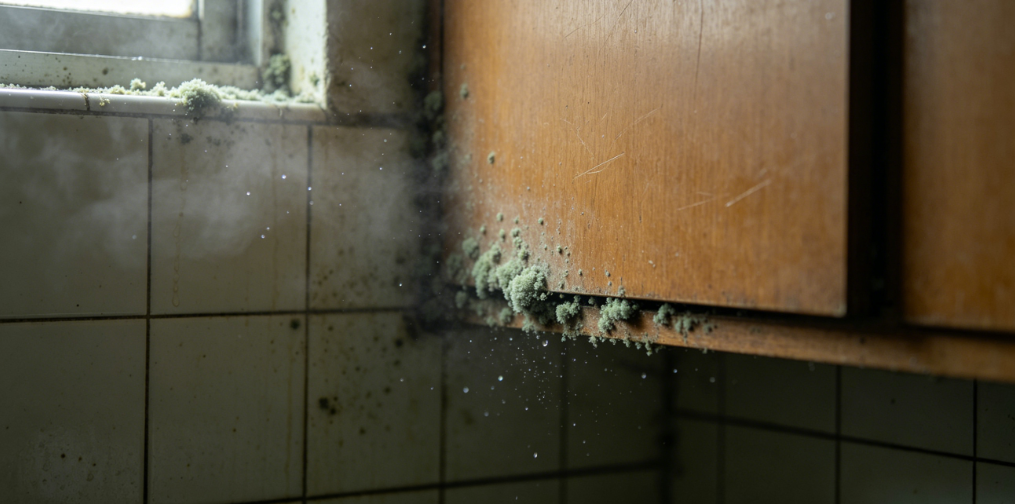
Sneezing, medically known as sternutation, is an involuntary reflex triggered by irritation in the nasal passages. The process begins when tiny hair-like structures called cilia in the nose detect foreign particles—such as dust, pollen, mold, or bacteria—that could potentially harm the lungs or airways. When these irritants are detected, the body initiates a rapid, forceful expulsion of air through the nose and mouth to clear them away.
The sneezing reflex follows a predictable sequence: first, the nasal lining becomes irritated, triggering nerve signals to the brain’s sneeze center. The brain then sends signals to the muscles in the chest, diaphragm, and nose, causing a deep inhalation followed by a sudden, powerful exhalation. This exhalation can reach speeds of up to 100 miles per hour, carrying away irritants and preventing them from entering the lungs.
It’s important to note that sneezing is a normal, healthy reflex—everyone sneezes, and it serves a critical protective function. However, frequent or excessive sneezing may indicate an underlying issue that requires attention.
Common Triggers of Sneezing
Sneezing can be triggered by a wide range of irritants and factors, varying from person to person. Some of the most common triggers include:
1. Allergens
Allergic rhinitis, often called hay fever, is one of the most common causes of frequent sneezing. When the body is exposed to allergens like pollen, dust mites, pet dander, or mold spores, it produces histamines, which irritate the nasal lining and trigger sneezing, along with other symptoms like a runny nose and itchy eyes.
2. Irritants in the Environment
Non-allergic irritants can also trigger sneezing. These include smoke, air pollution, strong odors (such as perfume or cleaning products), cold air, and dry air. Even bright light—especially sunlight—can trigger a sneeze in some people, a phenomenon known as photic sneezing.
3. Infections
Viral infections like the common cold or flu often cause sneezing as the body tries to clear the virus from the respiratory system. Sneezing is one of the primary ways these viruses spread, as droplets containing the virus are expelled into the air.
4. Other Factors
Sneezing can also be triggered by physical irritation, such as inserting a finger or object into the nose, or by emotional factors like stress or excitement. In rare cases, certain medications or medical conditions may cause sneezing as a side effect.
Sneezing and Your Health: When to Be Concerned
While sneezing is usually harmless, there are instances when it may signal a more serious health issue. Here are some signs to watch for:
1. Persistent or Excessive Sneezing
If you sneeze dozens of times a day for weeks on end, it may be a sign of untreated allergies, chronic sinusitis, or another underlying condition. Allergic rhinitis that goes unmanaged can lead to complications like sinus infections or asthma.
2. Sneezing with Other Severe Symptoms
If sneezing is accompanied by symptoms like chest pain, difficulty breathing, blood in the mucus, severe headaches, or fever lasting more than a few days, it may indicate a more serious infection (such as pneumonia or sinusitis) or a non-allergic condition that requires medical attention.
3. Sneezing That Disrupts Daily Life
If sneezing interferes with your work, sleep, or daily activities, it’s worth consulting a healthcare provider to identify the trigger and find relief. This is especially true if over-the-counter remedies do not help.
How to Manage Sneezing and Stay Healthy
Whether your sneezing is caused by allergies, irritants, or a mild infection, there are simple steps you can take to manage it and protect your health:
1. Avoid Triggers
If you know what triggers your sneezing—such as pollen, dust, or pet dander—take steps to avoid it. Keep windows closed during high pollen seasons, use air purifiers to reduce dust and allergens indoors, and wash your hands frequently after touching pets.
2. Practice Good Hygiene
Sneezing can spread germs, so it’s important to cover your nose and mouth with a tissue or the crook of your elbow (not your hands) when you sneeze. Dispose of used tissues immediately and wash your hands to prevent the spread of infection.
3. Use Over-the-Counter Remedies
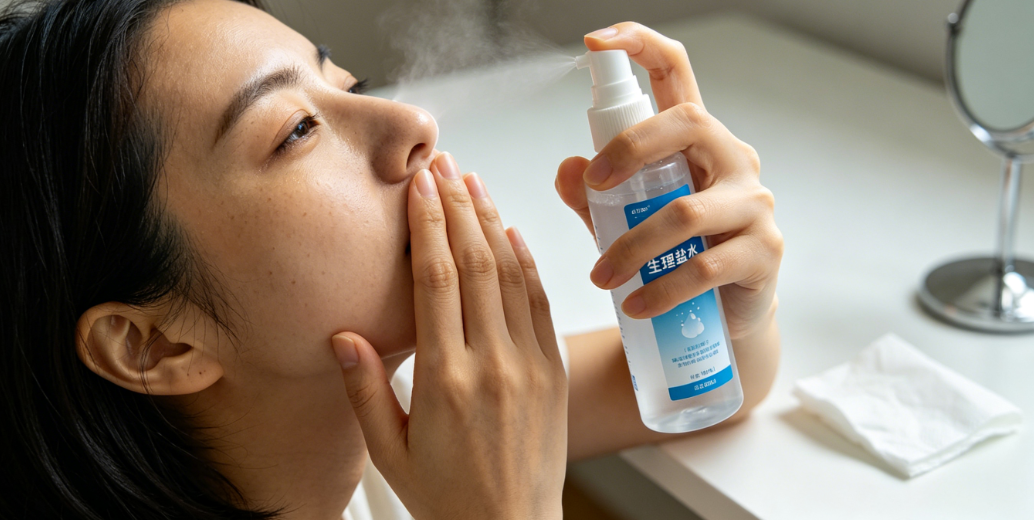
For sneezing caused by allergies, over-the-counter antihistamines can help reduce irritation and symptoms. Nasal sprays (such as saline sprays) can also moisturize the nasal lining and flush out irritants, providing relief from dryness or congestion.
4. Stay Hydrated and Rest
If sneezing is due to a cold or flu, staying hydrated and getting plenty of rest can help your body fight the infection and reduce symptoms. Warm liquids like tea or soup can also soothe the nasal passages and ease irritation.
Final Thoughts
Sneezing is a natural, protective reflex that plays an important role in keeping your respiratory system healthy. While most sneezing is harmless, paying attention to its frequency and accompanying symptoms can help you identify potential health issues early. By avoiding triggers, practicing good hygiene, and seeking medical attention when needed, you can manage sneezing and maintain your overall health.
Remember, a sneeze is your body’s way of saying it’s working to keep you healthy—so the next time you sneeze, know that it’s a sign your immune system is doing its job.