The Role of Credit Cards in Modern Financial Life
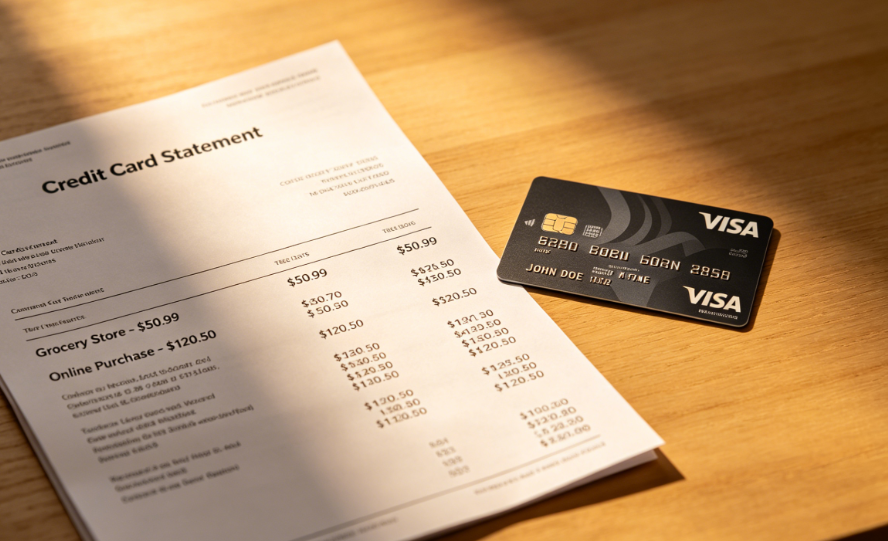
Credit cards have become an indispensable part of modern financial life, offering convenience, security, and flexibility for individuals and businesses alike. As a widely used payment tool, they not only simplify daily transactions but also play a crucial role in building credit history, managing cash flow, and providing access to emergency funds when needed.
A credit card is a payment card issued by banks or financial institutions that allows users to borrow money up to a predetermined credit limit to make purchases, pay bills, or cover unexpected expenses. Unlike debit cards, which deduct funds directly from a bank account, credit cards offer a “buy now, pay later” model—users can make purchases and settle the balance by the due date to avoid interest charges. This flexibility makes credit cards ideal for managing short-term cash flow gaps, such as unexpected medical bills or last-minute travel expenses.
One of the key benefits of credit cards is their ability to help build and improve credit history. When used responsibly—such as making on-time payments, keeping credit utilization low, and avoiding excessive debt—credit cards can boost an individual’s credit score. A good credit score is essential for accessing better loan terms, renting an apartment, or even securing certain jobs. Most credit cards also offer additional perks, such as cashback rewards, travel points, extended warranties, and fraud protection, which add value to the user experience.
However, with the convenience of credit cards comes the responsibility to use them wisely. Overspending, missing payments, or carrying a high balance can lead to high-interest charges, late fees, and damage to one’s credit score. It is recommended that users keep their credit utilization ratio (the amount of credit used compared to the total credit limit) below 30% to maintain a healthy credit profile. Additionally, reading the terms and conditions carefully—including interest rates, annual fees, and reward policies—can help users avoid unexpected costs.
In today’s digital age, credit cards have evolved to offer enhanced security features, such as chip-and-PIN technology, contactless payments, and real-time transaction alerts. These features help protect users from fraudulent activities and provide peace of mind when making purchases online or in-store. Many credit cards also offer travel insurance, purchase protection, and 24/7 customer support, making them a versatile tool for both everyday use and special occasions.
In conclusion, credit cards are more than just a payment method—they are a valuable financial tool that, when used responsibly, can simplify life, build credit, and provide access to essential funds. By understanding how credit cards work, setting a budget, and making timely payments, individuals can leverage the benefits of credit cards while avoiding the pitfalls of excessive debt. Ultimately, a credit card is a tool that, when used wisely, can contribute to long-term financial stability and freedom.