Gold: Timeless Value and Smart Investing for Beginners
Gold has been a symbol of wealth, stability, and security for thousands of years, transcending cultures, economies, and time. Unlike fleeting trends or volatile assets, gold holds intrinsic value—its scarcity, durability, and universal appeal make it a unique investment choice for anyone looking to protect their wealth, diversify their portfolio, or simply understand one of the world’s most enduring assets. Whether you’re curious about gold’s role in the global economy or interested in adding it to your investment strategy, this article breaks down everything you need to know about gold, from its historical significance to practical investing tips.
Throughout history, gold has served as a form of currency, a store of value, and a hedge against uncertainty. Ancient civilizations like the Egyptians, Romans, and Chinese used gold to facilitate trade, symbolize power, and preserve wealth. Today, its role remains largely the same: when economic stability wavers, inflation rises, or geopolitical tensions escalate, investors turn to gold as a “safe haven.” Unlike paper money, which can lose value due to government policies or economic crises, gold’s value is not tied to any single country or institution—making it a reliable anchor for any portfolio.
Why Gold Matters in Today’s Economy
In a world of digital currencies, stocks, and complex financial instruments, gold stands out for its simplicity and reliability. There are three key reasons why gold remains a valuable asset in today’s economy:
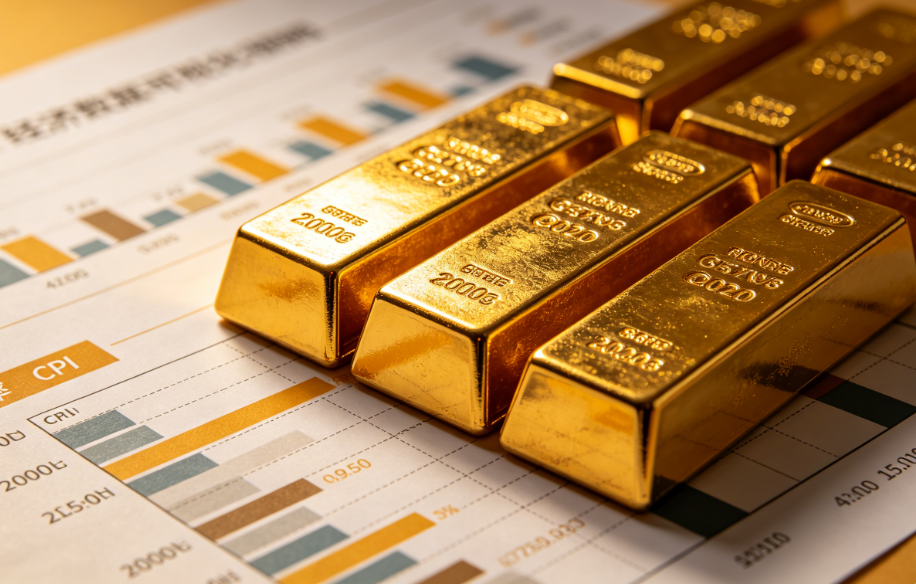
- Hedge Against Inflation: Inflation erodes the purchasing power of cash—what $100 can buy today will likely buy less in 10 years. Gold has historically outpaced inflation, preserving the value of your money over time. For example, over the past 20 years, the price of gold has increased by an average of 7% annually, outperforming the average inflation rate of 2-3%.
- Diversification Benefit: Gold has a low correlation with other assets like stocks and bonds. This means when stock markets crash or bond prices fall, gold often holds its value or even increases in price. Adding gold to your portfolio helps reduce overall risk, creating a more balanced and resilient investment strategy.
- Universal Value: Gold is recognized and valued worldwide. It can be easily bought, sold, or traded in nearly every country, making it a highly liquid asset. Whether you’re in New York, London, or Beijing, gold’s value is consistent, making it a global currency of last resort.
How to Invest in Gold (Beginner-Friendly Options)
Investing in gold doesn’t require a large amount of money or expert knowledge. There are several simple, accessible ways to add gold to your portfolio, each with its own advantages and considerations:
1. Physical Gold: Tangible and Secure
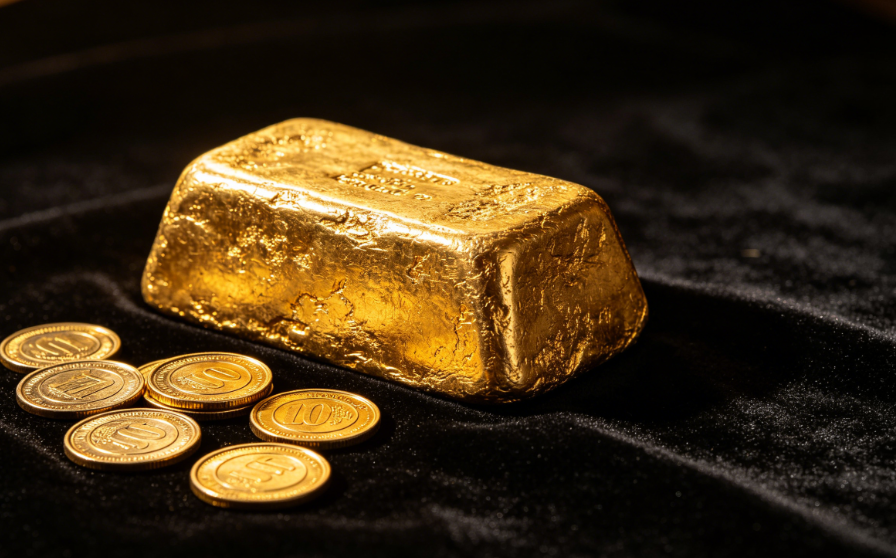
The most traditional way to invest in gold is through physical gold, such as gold bars, bullion coins, or investment-grade jewelry (though jewelry is less ideal for investing due to high processing fees). Physical gold gives you direct ownership of the asset—you can hold it, store it securely, and it has no counterparty risk (meaning its value doesn’t depend on a bank or company’s stability).
For beginners, gold coins like the American Eagle, Canadian Maple Leaf, or Chinese Panda are a great starting point—they are easy to buy, sell, and verify. However, physical gold requires secure storage (a home safe or bank safety deposit box) and may have higher transaction fees than other options.
2. Gold ETFs: Convenient and Low-Cost
Gold Exchange-Traded Funds (ETFs) are one of the most popular options for beginner investors. These funds trade on stock exchanges (like individual stocks) and track the price of gold, with each share representing a small amount of physical gold. Gold ETFs are low-cost, highly liquid, and require no storage—your shares are held by a custodian bank.
With ETFs, you can start investing with as little as $50, making it accessible to anyone. They also offer diversification, as many gold ETFs hold a mix of physical gold and gold-related assets. Popular gold ETFs include SPDR Gold Shares (GLD) and iShares Gold Trust (IAU).
3. Gold Mutual Funds: Professional Management
Gold mutual funds are managed by professional fund managers who invest in gold-related assets, such as physical gold, gold mining stocks, or gold futures. These funds are ideal for investors who want professional guidance and don’t want to manage their investments themselves.
Gold mutual funds offer diversification across multiple gold-related investments, reducing risk. However, they typically have higher management fees than ETFs, so it’s important to compare fees before investing.
Key Factors That Influence Gold Prices
Understanding what drives gold prices can help you make smarter investment decisions. While short-term price fluctuations are hard to predict, long-term gold prices are influenced by four main factors:
- U.S. Dollar Strength: Gold is priced in U.S. dollars globally. When the dollar is strong, gold becomes more expensive for investors using other currencies, reducing demand and pushing prices down. When the dollar weakens, gold prices tend to rise.
- Economic Uncertainty: Geopolitical tensions, recessions, or global crises (like pandemics) increase demand for gold as a safe haven. For example, during the 2020 COVID-19 pandemic, gold prices rose by over 25% as investors sought stability.
- Interest Rates: When interest rates are low, gold becomes more attractive because it doesn’t pay interest—investors are less likely to choose interest-bearing assets like bonds. Conversely, high interest rates can reduce demand for gold.
- Supply and Demand: Gold is a scarce resource, and mining production is limited. If demand for gold (from investors, jewelry, or industry) increases while supply stays the same, prices will rise. Recycling gold also affects supply, but it’s a smaller factor than mining.
Beginner Tips for Investing in Gold
If you’re new to gold investing, follow these simple tips to avoid common mistakes and build a successful strategy:
- Start Small: You don’t need to invest a lot of money to get started. Many ETFs and mutual funds allow you to invest with small amounts, so you can start small and increase your investment over time.
- Don’t Chase Short-Term Trends: Gold is a long-term investment. Avoid trying to “time the market” by buying and selling based on short-term price fluctuations. Instead, hold gold for 5-10 years or more to benefit from its long-term value.
- Diversify: Gold should be part of a balanced portfolio, not your only investment. Allocate 5-15% of your portfolio to gold, with the rest invested in stocks, bonds, and cash.
- Choose Reputable Platforms: When buying gold, use regulated institutions like banks, licensed gold dealers, or established stock exchanges. Avoid unregulated online platforms, which may be fraudulent.
Final Thoughts: Gold’s Timeless Appeal
Gold’s enduring value comes from its unique combination of scarcity, durability, and universal appeal. It’s not just an investment—it’s a way to protect your wealth, diversify your portfolio, and prepare for the future. Whether you’re a beginner or an experienced investor, gold offers a simple, reliable way to add stability to your financial strategy.
Remember, investing in gold is not about getting rich quickly—it’s about preserving the wealth you’ve worked hard to build. By understanding gold’s role in the economy, choosing the right investment option, and staying disciplined, you can harness the power of this timeless asset to achieve your long-term financial goals.