Navigating the World of Investing: A Guide to Building Long-Term Wealth
Investing is a powerful tool for securing your financial future, yet it’s often misunderstood as a complex or risky endeavor reserved for experts. The reality is that investing is accessible to everyone, regardless of income, background, or financial knowledge. The key to success lies not in chasing quick profits, but in adopting a patient, strategic approach that aligns with your goals. This article will walk you through the fundamentals of investing, helping you understand how to start, what to invest in, and how to stay on track to build lasting wealth.

The Difference Between Saving and Investing
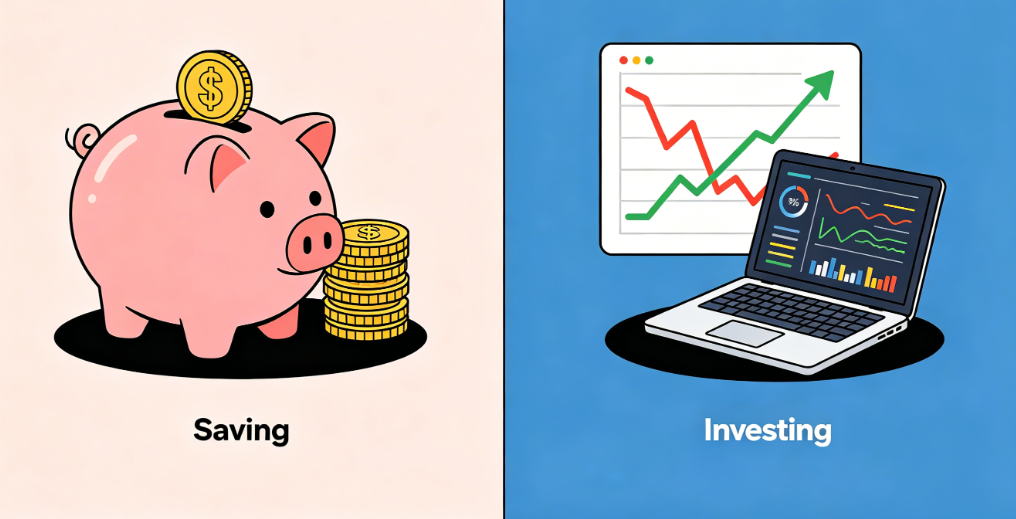
Many people confuse saving with investing, but the two serve distinct purposes. Saving involves setting aside money in low-risk, easily accessible accounts—like savings accounts or money market funds—for short-term needs or emergencies. While saving is essential for financial security, it rarely generates significant growth, as interest rates are often too low to keep up with inflation.
Investing, by contrast, involves putting your money into assets that have the potential to grow in value over time. These assets—such as stocks, bonds, and funds—carry some level of risk, but they also offer the opportunity for higher returns that can outpace inflation. Over the long term, this growth can turn small, regular investments into a substantial nest egg, making investing critical for goals like retirement, buying a home, or funding a child’s education.
Getting Started: Key Steps for New Investors
1. Define Your Financial Goals
Before you invest, take the time to clarify your goals. Ask yourself: What are you investing for? How much time do you have to reach that goal? Are you willing to take on risk to potentially earn higher returns? Your answers will shape every investment decision you make.
For example, if you’re saving for a down payment on a house in 5 years (a medium-term goal), you’ll want a balanced portfolio that mixes growth and stability. If you’re investing for retirement 30 years from now (a long-term goal), you can afford to take on more risk with investments like stocks, which have historically delivered higher long-term returns despite short-term volatility.
2. Assess Your Risk Tolerance
Risk tolerance is your ability to handle fluctuations in the value of your investments. It’s influenced by factors like your age, financial situation, and emotional comfort with uncertainty. If you’re someone who panics when the market drops, you likely have a low risk tolerance and should focus on conservative investments like bonds or dividend-paying stocks.
If you’re young and have time to recover from market downturns, you may have a higher risk tolerance and can allocate more of your portfolio to growth-oriented assets like stocks or exchange-traded funds (ETFs). Remember: higher risk can lead to higher returns, but it also means the potential for larger losses in the short term.
3. Choose the Right Investment Vehicles
There are countless investment options available, but beginners should start with simple, low-cost choices that offer diversification. Here are some of the most popular options:
- ETFs (Exchange-Traded Funds): ETFs are collections of stocks, bonds, or other assets that trade on stock exchanges. They offer instant diversification, low fees, and flexibility—making them ideal for beginners. For example, a broad-market ETF tracking the S&P 500 gives you exposure to 500 of the largest U.S. companies with a single investment.
- Mutual Funds: Similar to ETFs, mutual funds pool money from multiple investors to invest in a diversified portfolio. They are managed by professionals, but they often have higher fees than ETFs. Mutual funds are a good option if you prefer a hands-off approach.
- Stocks: Buying a stock means owning a share of a company. While individual stocks can be volatile, they offer the potential for significant growth. Beginners may want to start with blue-chip stocks—large, stable companies with a history of consistent performance.
- Bonds: Bonds are loans to governments or corporations that pay a fixed interest rate over time. They are less volatile than stocks and provide a steady income stream, making them a good choice for conservative investors or as a balance to stocks in a portfolio.
Strategies for Long-Term Investment Success
1. Invest Consistently
One of the most effective strategies for new investors is dollar-cost averaging (DCA), which involves investing a fixed amount of money at regular intervals (e.g., monthly) regardless of market conditions. This approach eliminates the pressure of “timing the market”—a practice even experts struggle with—and reduces the impact of volatility. When prices are low, you buy more shares; when prices are high, you buy fewer shares. Over time, this averages out your cost per share and helps you build wealth steadily.
2. Diversify Your Portfolio
Diversification is the practice of spreading your investments across different asset classes, industries, and geographic regions to reduce risk. The idea is simple: if one investment performs poorly, others may perform well, offsetting losses. For example, if the technology sector declines, your investments in healthcare or real estate may remain stable or grow.
For beginners, diversification is easy to achieve with ETFs or mutual funds, which already hold a variety of assets. As you gain experience, you can adjust your portfolio to include more specialized investments, but starting simple is key.
3. Keep Costs Low
Fees can eat into your investment returns over time, so it’s important to choose low-cost options. Look for ETFs and mutual funds with low expense ratios (the annual fee charged by the fund). Avoid frequent trading, as each transaction can incur fees and trigger capital gains taxes. The less you pay in fees, the more of your returns stay in your pocket.
4. Stay the Course
Investing is a long-term journey, and market downturns are inevitable. The most successful investors are those who stay disciplined and avoid making emotional decisions. When the market drops, resist the urge to sell—history has shown that markets tend to recover over time. Instead, focus on your long-term goals and trust your strategy.
Conclusion
Investing doesn’t have to be complicated. By defining your goals, assessing your risk tolerance, choosing simple, low-cost investments, and staying consistent, you can build long-term wealth and achieve financial security. Remember, the best time to start investing is today—even small, regular investments can grow significantly over time thanks to the power of compounding.
Whether you’re a complete beginner or looking to refine your strategy, the key is to stay informed, stay disciplined, and avoid chasing short-term trends. With patience and effort, anyone can become a successful investor and take control of their financial future.