Daily Mental Balance: Simple Living Habits for Stress Relief and Emotional Healing

Everyday life is filled with subtle, lingering stress that quietly affects our mood, energy, and inner peace. Busy work routines, endless trivial tasks, minor interpersonal misunderstandings, and self-generated worries can slowly drain mental energy. Most people ignore these small emotional changes, choosing to push through fatigue and maintain a busy lifestyle. However, unrelieved daily stress gradually leads to mood swings, persistent overthinking, poor sleep, and emotional burnout. Maintaining stable mental health does not require complicated skills or major life changes. With simple daily habits of emotional acceptance and gentle stress adjustment, anyone to keep a balanced, calm, and healthy state of mind.
Understanding Low-Level Daily Stress and Emotional Fatigue
Unlike intense stress caused by major life events, daily low-level stress is hidden, continuous, and easy to overlook. It comes from rushed schedules, uncompleted to-do lists, minor frustrations, repeated decision-making, and silent self-doubt. These tiny stressors do not cause sudden breakdowns, but they keep the brain in a long-term state of subtle tension.
Over time, this hidden tension turns into emotional fatigue. People become less patient, easily annoyed by small things, unable to relax during rest time, and gradually lose enthusiasm for daily life. Even without obvious difficulties, they feel mentally tired and confused. Recognizing these mild emotional signals is the first step toward effective self-healing and long-term mental stability.
Build a Healthy Attitude Toward Fluctuating Emotions
Emotional ups and downs are a natural part of being human. No one can stay positive, calm, and motivated every single day. Feelings of tiredness, anxiety, sadness, and irritability are not signs of mental weakness. Instead, they are gentle reminders that the mind needs rest, release, and careful care.
True emotional maturity is learning to coexist with negative emotions peacefully. It means stopping self-blame for having bad moods, allowing temporary emotional lows, and refusing to force fake positivity. When we accept emotions instead of resisting them, inner tension fades naturally, and the mind returns to balance effortlessly.
Lifestyle-Based Emotional Healing and Stress Regulation Habits
The most reliable mental healing methods are always simple, daily, and easy to stick to. These low-effort habits help release stress, soothe restless emotions, reduce internal friction, and rebuild inner stability in ordinary life.
1. Take Regular Mental Pauses to Avoid Overconsumption
Most mental exhaustion comes from continuous mental output without effective rest. Modern people often keep their brains working at high speed from morning till night, accumulating massive invisible pressure.
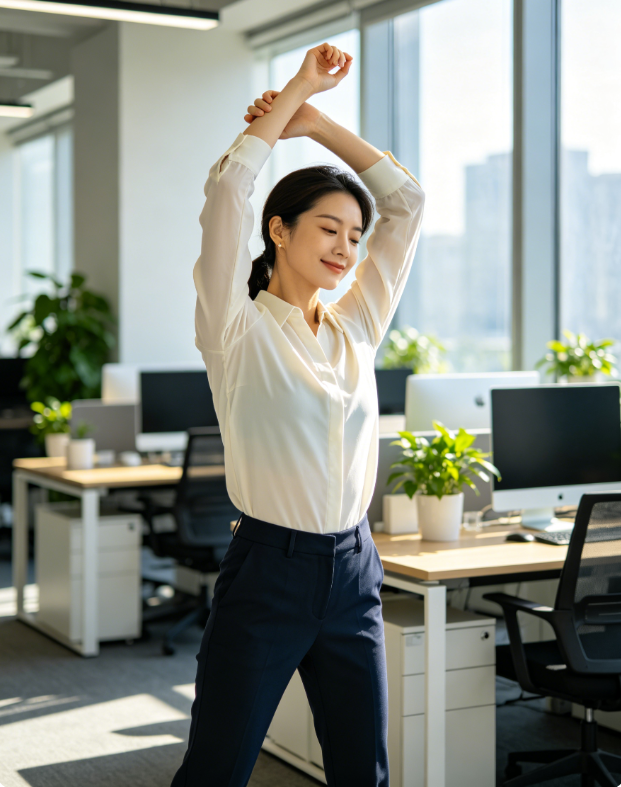
Taking short mental pauses throughout the day is an efficient way to protect mental health. Stop all busy tasks every one or two hours, relax your body, and empty your chaotic thoughts for two to three minutes. This small pause resets your mental state, relieves nervous tension, prevents stress accumulation, and keeps your mind clear and stable all day long.
2. Release Blocked Emotions Through Gentle Venting
Emotions follow the law of flow. Suppressed negative feelings will not disappear; they will be stored in the subconscious and affect daily mood and state. Timely and gentle emotional release is essential for long-term mental balance.
You can relieve inner pressure through casual and harmless ways. Taking an outdoor walk, listening to soft music, chatting with trusted friends, recording your true feelings, or focusing on hobbies can effectively dispel depression and restlessness. Gentle emotional venting keeps the mind light and flexible, avoiding sudden mood collapses caused by long-term suppression.
3. Stop Overthinking by Focusing on the Present
Most daily anxiety is derived from wandering thoughts. People often waste a lot of mental energy dwelling on past regrets and worrying about future uncertainties, creating countless imaginary pressures that do not exist in the present moment.
Focusing on the present moment is one of the most powerful self-healing skills. When you find yourself trapped in useless overthinking, gently pull your attention back to your current actions. Whether you are working, eating, walking or resting, devote yourself fully to the moment. This simple grounding method cuts off negative thought loops, reduces internal friction, and quickly restores inner peace.
4. Reduce Stress by Letting Go of Rigid Perfectionism
A large part of self-generated stress comes from excessive perfectionism. Many people set overly high standards for themselves, demand zero mistakes in work and life, and feel frustrated and anxious when reality does not meet expectations.
Learning to let go of rigid perfection is a key step in emotional healing. Accept that life is full of uncertainties and imperfections. Allow yourself to make mistakes, accept slow progress, and forgive your own inadequacies. When you no longer force yourself to be flawless, most invisible self-pressure disappears, and your mood becomes relaxed and stable.
5. Stabilize Mood with an Orderly Daily Routine
Chaotic daily routines and irregular work and rest will destroy mental stability. Uncertain schedules, messy living environments, and irregular rest make the brain stay in a state of alert, easily triggering restlessness and anxiety.
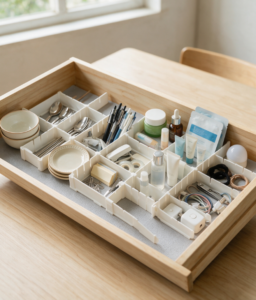
A stable and orderly life rhythm brings strong psychological security. Maintaining regular sleep time, reasonable task arrangement, and neat living space can effectively reduce mental confusion and tension. A disciplined and regular life helps build steady psychological resilience, making emotions less susceptible to trivial disturbances.
6. Nurture Mental Wellness with Small Daily Happiness
Long-term stress makes people habitually focus on troubles and ignore the warm and beautiful parts of life. Lack of positive emotional nourishment will gradually lead to mental fatigue and negative thinking.
Actively capturing small happy moments in daily life can continuously repair emotional consumption. A warm ray of sunlight, a delicious meal, quiet leisure time, comfortable breathing, and simple sense of accomplishment are all precious positive energy. These trivial warm moments balance negative stress, shape an optimistic mindset, and let the mind maintain vitality and stability.
Common Misconceptions That Affect Daily Emotional Healing
Many people fail to achieve effective emotional adjustment due to wrong daily cognitions.
Mental health only needs attention when feeling sick: Mental wellness focuses on daily prevention. Most emotional problems accumulate from long-term neglected minor stress.
Enduring pressure represents inner strength: Blind endurance leads to emotional suppression. True strength lies in active adjustment and rational release.
Good mood depends on smooth external life: External conditions are unstable. Real emotional stability comes from inner adjustment ability.
Small emotional adjustments have no effect: Continuous small healing accumulates into long-term mental resilience and stable personality.
Long-Term Benefits of Daily Mental Self-Care
Adhering to daily stress relief and emotional self-healing will bring lasting and profound changes. In the short term, these gentle habits effectively relieve irritability and mental fatigue, improve sleep quality, enhance concentration, and make daily work and life more efficient and relaxed. In the long run, they cultivate stable inner strength, improve emotional regulation ability, and help individuals face life changes and setbacks calmly.
People who insist on daily mental self-care have softer personalities, more stable moods, better interpersonal relationships, and higher life satisfaction. They can always maintain inner balance and positive vitality in trivial and busy daily life.
Conclusion
Mental health is not a temporary state, but a lifelong daily practice. Stress and emotional fluctuations are inevitable in ordinary life, but everyone can guard their inner peace through simple, gentle and scientific daily habits.
Through regular mental rest, reasonable emotional release, present-moment focus, letting go of perfectionism, stable daily routines, and accumulation of small happiness, we can effectively resolve daily stress, reduce internal friction, and achieve long-term emotional balance and mental health. A calm mind is the best foundation for a relaxed, positive and high-quality life.