Essential Dental Health Tips: Maintain a Strong, Healthy Smile for Life
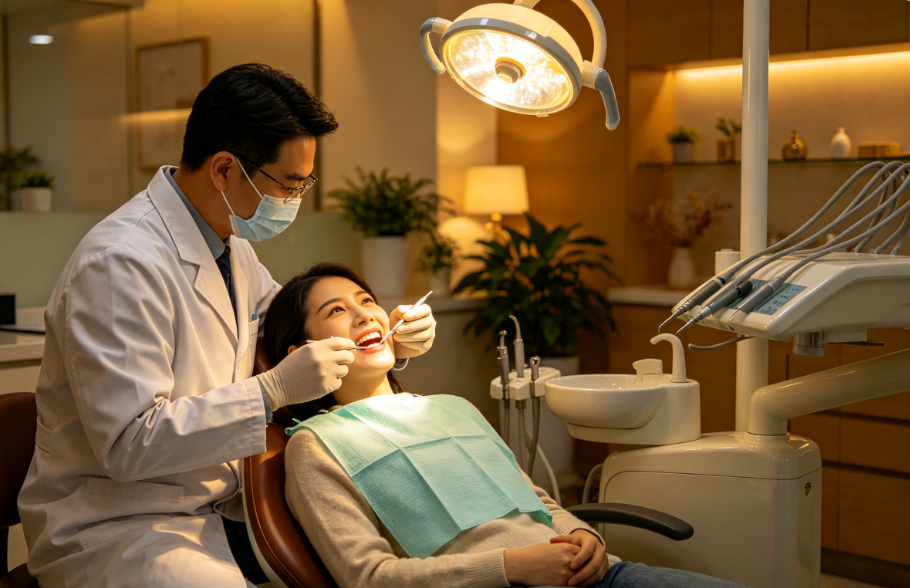
Good dental health is a foundational part of overall physical wellness, yet it is often overlooked in daily life. A healthy set of teeth and gums not only supports clear speech and comfortable chewing but also helps prevent a wide range of systemic health issues. Poor oral hygiene can lead to tooth decay, gum disease, bad breath, and even contribute to heart conditions, diabetes complications, and immune system weakness. With simple, consistent daily habits and regular professional care, anyone can preserve long-term dental health and keep a bright, confident smile at every age.
Understanding the Core of Dental Health
Dental health covers the condition of your teeth, gums, tongue, and entire oral cavity. Healthy teeth are firm, white, and free of persistent pain, sensitivity, or visible cavities. Healthy gums appear pink and tight, without swelling, bleeding, or receding. The mouth acts as a gateway to the human body, and harmful bacteria accumulated in the oral cavity can easily enter the bloodstream and affect other organs. Unlike many health problems, most dental issues develop gradually and can be effectively prevented with routine care, making proactive maintenance far easier and more affordable than treatment.
Daily Oral Hygiene Habits for Long-Term Dental Wellness
Consistent daily cleaning is the first and most critical line of defense against oral diseases. Brushing teeth at least twice a day, once in the morning and once before bedtime, removes food residues, plaque, and harmful bacteria that build up on tooth surfaces and along the gumline. It is recommended to use a soft-bristled toothbrush and fluoride toothpaste, as fluoride strengthens tooth enamel, resists acid erosion, and significantly reduces the risk of cavities. Many people overlook brushing time; spending two full minutes for each brushing ensures thorough cleaning of every tooth surface, including hard-to-reach back molars.
Toothbrushing alone cannot clean the narrow gaps between teeth, which is why daily flossing is an indispensable part of oral care. Dental floss removes trapped food particles and hidden plaque that brushes miss, preventing interproximal cavities and early gum inflammation. For those who find traditional floss difficult to use, water flossers and floss picks are convenient alternatives that deliver similar cleaning results. Additionally, gently cleaning the tongue every day eliminates bacteria that cause bad breath and improves overall oral cleanliness.
Moderate dietary habits also play a vital role in protecting dental health. Frequent consumption of sugary snacks, carbonated drinks, and acidic foods creates an acidic oral environment that wears down tooth enamel and feeds cavity-causing bacteria. Reducing sugar intake, avoiding prolonged sipping of sweet beverages, and rinsing the mouth with clean water after eating can effectively minimize enamel damage. Choosing tooth-friendly foods such as crisp vegetables, fresh fruits, dairy products, and nuts helps strengthen teeth and stimulate natural saliva production, which neutralizes oral acid and repairs minor enamel wear.
The Importance of Regular Professional Dental Checkups
Daily at-home care cannot fully replace professional dental examinations and cleanings. Most oral problems in the early stages have no obvious symptoms, including tiny cavities, mild gingivitis, and early tartar buildup. Only professional dental tools can remove hardened tartar that regular brushing and flossing cannot eliminate. Dentists recommend routine dental checkups and professional cleanings every six months to detect potential issues early, stop disease progression, and avoid complex, costly treatments in the future.
Professional dental visits also include personalized oral health guidance. Dentists can evaluate individual oral conditions, adjust daily care methods, and provide targeted advice for sensitive teeth, receding gums, or uneven tooth wear. For people with specific oral conditions, such as dry mouth or tooth grinding, professional intervention can prevent long-term damage and protect dental structure effectively.
Common Dental Health Mistakes to Avoid
Many unintentional daily habits gradually damage dental health and accelerate tooth aging. Brushing teeth too hard with stiff bristles will wear away enamel and cause gum recession, leading to persistent tooth sensitivity. Skipping nighttime brushing is extremely harmful, as bacteria multiply rapidly during sleep, causing continuous erosion of teeth and gums. Chewing hard objects such as ice cubes, nut shells, and hard candy can crack tooth enamel and even cause tooth fractures.
In addition, ignoring minor oral discomfort is a common mistake. Mild tooth pain, occasional gum bleeding, and persistent bad breath are early warning signs of oral problems. Delaying treatment will turn simple gingivitis into severe periodontitis, and small cavities into deep tooth decay that may damage the tooth nerve. Timely attention and treatment can protect natural teeth and maintain complete oral function.
Lifelong Dental Care for All Ages
Dental health care is a lifelong commitment that applies to children, adults, and seniors alike. For children, establishing good brushing habits from an early age and receiving regular fluoride treatments and dental sealants can effectively prevent childhood cavities. For adults, maintaining stable oral hygiene and regular checkups prevents gum disease and tooth loss caused by long-term plaque accumulation. For seniors, focusing on gum protection, dry mouth relief, and regular oral examinations helps preserve remaining natural teeth and maintain normal chewing function.
Final Thoughts
A healthy smile is inseparable from persistent daily care and scientific professional protection. Dental health is not just about cosmetic appearance; it is a crucial pillar of overall physical health and quality of life. By sticking to correct brushing and flossing habits, maintaining a tooth-friendly diet, avoiding harmful oral habits, and visiting the dentist regularly, everyone can effectively prevent oral diseases, keep teeth strong and gums healthy, and enjoy a bright, functional smile for a lifetime.