Deep House Cleaning Guide: Transform Your Living Space Into a Sanitary Home
Regular daily tidying can keep a home looking neat, but only deep house cleaning can eliminate hidden dirt, bacteria, and allergens that ordinary cleaning misses. Many households maintain clean surfaces yet suffer from hidden hygiene issues, including dusty appliance interiors, moldy tile grout, residual grease, and accumulated dust in blind corners. Deep cleaning is a thorough, detailed sanitation process that focuses on overlooked areas, helping families achieve truly clean, healthy, and long-lasting fresh indoor environments. It is an essential routine for modern households that prioritize living quality and family health.

The Difference Between Daily Tidying and Deep Cleaning
Daily household cleaning mainly focuses on visible surface dirt, such as sweeping floors, wiping tables, and removing obvious clutter. It effectively maintains basic home neatness but cannot solve deep-level sanitation problems. Dust, skin cells, pet dander, and mold spores easily accumulate in gaps, crevices, and hidden interiors, gradually becoming breeding grounds for bacteria and allergens.
Deep house cleaning targets these easily ignored blind spots. It covers surface cleaning, gap decontamination, internal appliance cleaning, mold removal, and odor elimination. While daily cleaning prevents obvious messes, deep cleaning eliminates hidden health hazards. Regular deep cleaning improves indoor air quality, reduces allergy triggers, and extends the service life of household furniture and electrical equipment, bringing more substantial health benefits than superficial tidying.
Key Areas Most People Neglect During Home Cleaning
Most household sanitary problems stem from repeatedly neglected corners. These areas look insignificant but greatly affect overall home hygiene.
Hidden Gap Areas: Tile grout lines, floor crevices, window track gaps, and door frame gaps easily trap dust, water stains, and dirt. Long-term accumulation leads to blackening, mildew, and bacterial growth, which cannot be removed by ordinary mopping or wiping.
Household Appliance Interiors: Refrigerators, range hoods, air conditioners, and washing machines are high-risk dirty areas. Refrigerator interiors breed bacteria from residual food; range hoods accumulate thick aged grease; air conditioner filters trap dust and pollen; washing machines harbor mold in inner drums. These hidden pollutants continuously pollute indoor environments and affect family health.
Fabric and Soft Furnishings: Sofas, mattresses, carpets, and curtains absorb a large amount of skin debris, dust mites, and fine dust. Ordinary surface cleaning cannot remove deep dirt inside the fibers, making soft furnishings one of the largest sources of indoor allergens.
Hardware and Switch Surfaces: Light switches, door handles, faucet handles, and remote controls are the most frequently touched items at home. They carry massive bacteria and germs but are rarely cleaned and disinfected, becoming potential cross-infection sources.
Step-by-Step Deep Cleaning Guide for Every Room
Kitchen Deep Cleaning
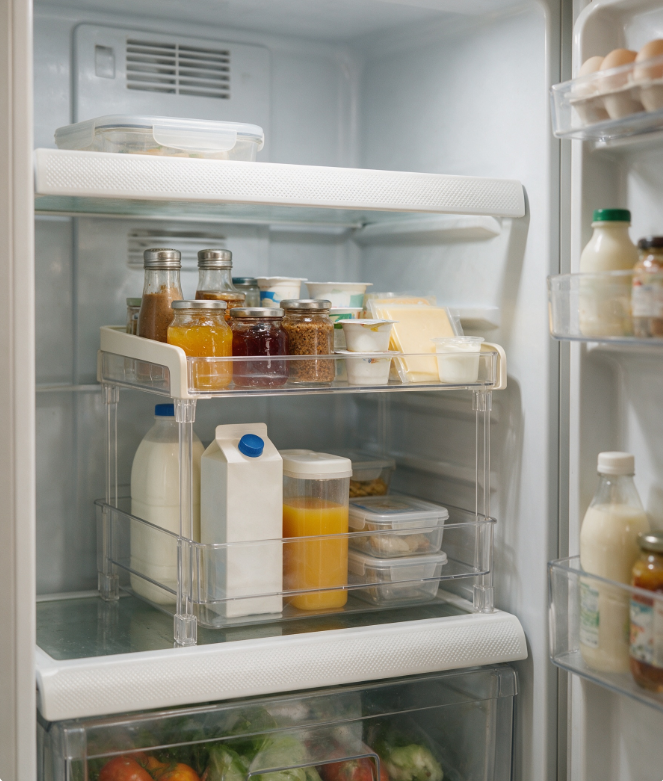
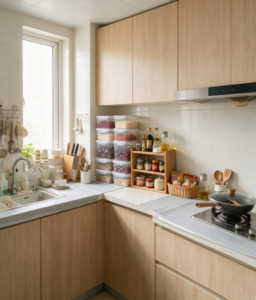
The kitchen is the area with the most stubborn dirt and requires systematic deep cleaning. Focus on removing aged grease and hidden residue. Disassemble and clean range hood filters, oil cups, and stove gaps to dissolve solidified grease that daily cleaning cannot handle. Thoroughly clean the refrigerator interior, including shelves, drawers, and door gaps, discarding expired food and wiping off sticky residues and odors.
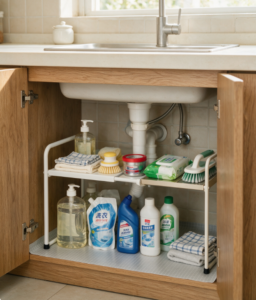
Deep clean sink pipelines and drain ports to remove accumulated food residue and prevent blockages and peculiar smells. Wipe cabinet interiors, door gaps, and wall tile grout to eliminate hidden dirt and mold. After cleaning, keep the kitchen ventilated and dry to inhibit bacterial regeneration and maintain a hygienic food-processing environment.
Bathroom Deep Cleaning and Mold Removal
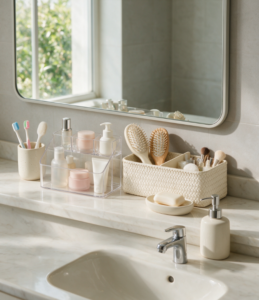
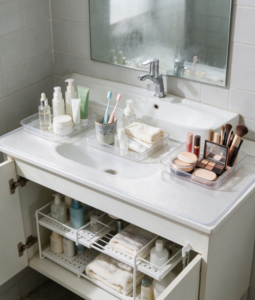
High humidity makes bathrooms prone to mold, scale, and odor. Deep cleaning focuses on mildew removal and scale treatment. Thoroughly clean tile grout, wall corners, and shower partition gaps to remove black mold spots. Use professional mild descaling agents to clean water scale and soap residue on faucets, shower nozzles, and mirror surfaces to restore surface brightness.
Deep clean the toilet base, gap edges, and floor drains, which are the most bacteria-prone areas. Remove dirt buildup and perform mild disinfection to eliminate odor sources. After cleaning, dry the bathroom floor and walls and maintain ventilation to reduce indoor humidity and prevent repeated mold growth.
Living Room and Bedroom Deep Sanitation
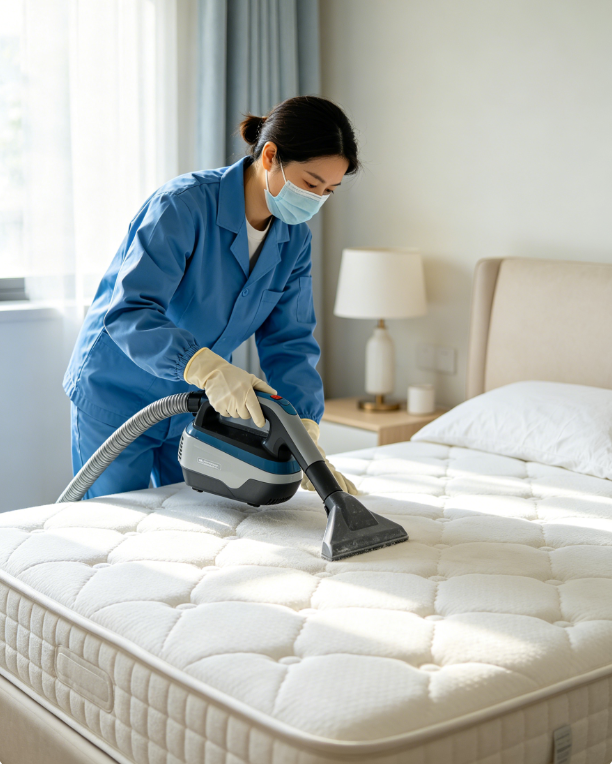
For living rooms and bedrooms, deep cleaning focuses on dust removal and mite prevention. Use a high-power vacuum cleaner to deeply clean sofa cushions, mattress surfaces, edge gaps, and carpet fibers to remove deep dust mites, pet hair, and fine debris. Take down curtains and blanket fabrics for regular washing to eliminate accumulated dust and allergens.
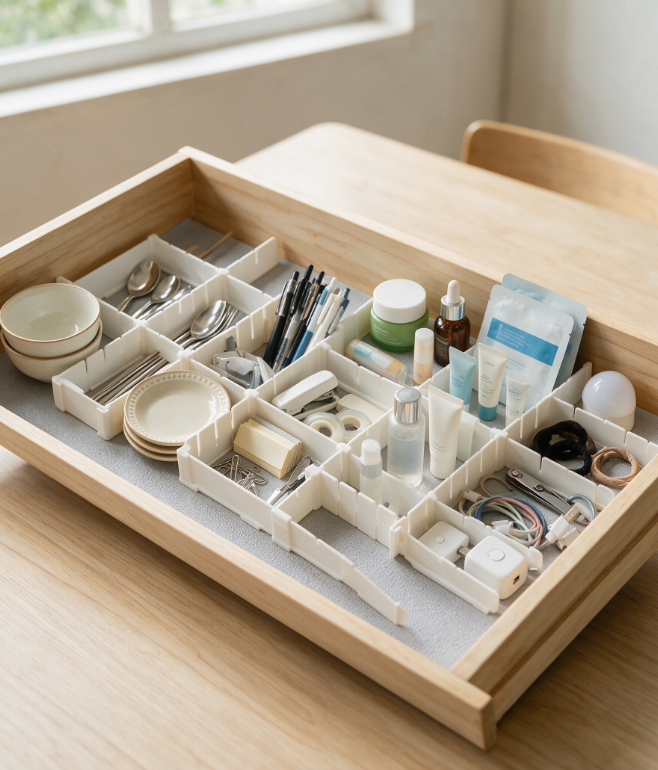
Wipe and disinfect frequently touched areas such as light switches, remote controls, and door handles. Clean lamp shades, ceiling corners, and high window sills to remove accumulated floating dust. Tidy up storage cabinet interiors, clean up idle sundries and hidden dust, and create a truly clean and breathable living and resting space.
Home Office Deep Tidying
Desktops, keyboards, monitors, and book gaps in home offices easily accumulate dust and bacteria. Deep cleaning includes wiping electronic equipment surfaces with professional cleaning tools to remove fingerprints and dust, cleaning keyboard gaps and heat dissipation holes, and sorting and wiping books and file cabinets. A deeply cleaned office space reduces bacterial contact and improves work concentration and efficiency.
Best Frequency for Household Deep Cleaning
To maintain long-term home hygiene, deep cleaning needs to follow a scientific frequency. Kitchens and bathrooms with heavy dirt and high humidity require deep cleaning once a month to avoid grease accumulation and mold reproduction. Living rooms, bedrooms, and home offices are suitable for thorough deep cleaning every quarter. Seasonal deep cleaning is also essential; thorough cleaning before summer and winter can effectively adapt to seasonal humidity and temperature changes, reducing indoor allergen concentration.
For families with pets, infants, or allergic groups, appropriately increase the deep cleaning frequency of soft furnishings and ground gaps to ensure a safer and healthier living environment.
Benefits of Regular Deep House Cleaning
Adhering to regular deep house cleaning can comprehensively improve indoor hygiene quality. It fundamentally removes hidden dust mites, mold, and bacteria, effectively reducing the incidence of family allergies, respiratory discomfort, and skin problems. Clean household appliance interiors also improve equipment operating efficiency, save energy consumption, and extend service life.
In addition, a deeply cleaned home has no hidden dirt or peculiar odors, with fresher indoor air and a more comfortable living atmosphere. Thorough tidying also helps optimize storage space, making the home more orderly and layered, greatly improving overall living comfort and family happiness.
Conclusion
Deep house cleaning is an indispensable part of high-quality household maintenance. It makes up for the shortcomings of daily superficial cleaning, solves hidden hygiene problems in blind corners, and creates a truly sanitary, safe, and healthy living environment. By mastering scientific cleaning methods and maintaining a fixed deep cleaning cycle, every family can permanently stay away from hidden dirt and bacterial hazards, enjoying a clean, fresh, and comfortable high-quality living space all year round.