Eco-Friendly Home Cleaning: Safe, Non-Toxic Methods for a Healthy Household
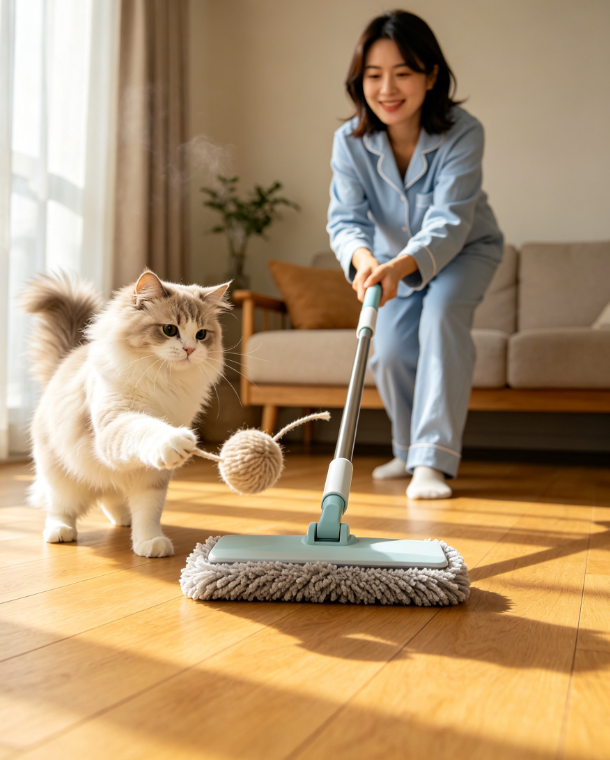
Traditional home cleaning often relies on harsh chemical cleaners that deliver quick results but leave behind hidden risks. Many commercial detergents contain strong fragrances, synthetic additives, and toxic ingredients that may irritate the skin, disrupt indoor air quality, and harm children, pets, and people with sensitive constitutions. In recent years, eco-friendly home cleaning has become a mainstream healthy lifestyle choice. It uses natural, non-toxic, and biodegradable cleaning methods to remove dirt, eliminate bacteria, and maintain household sanitation, ensuring a spotless home while protecting family health and the ecological environment.

Why Switch to Eco-Friendly Cleaning
Most conventional cleaning products on the market contain chemical components such as ammonia, bleach, and synthetic surfactants. Although these ingredients can quickly remove stubborn stains, volatile chemical substances will linger in the air after use. Long-term inhalation may cause throat irritation, dizziness, allergies, and even affect respiratory health. Residual chemicals on tabletops, floors, and tableware also pose potential threats to families with toddlers who often touch and bite household surfaces.
In addition to health hazards, chemical cleaners also cause environmental pollution. Wastewater containing chemical residues flows into the sewer, affecting water resources and endangering ecological balance. In contrast, eco-friendly cleaning solutions use natural ingredients that are harmless to the human body and fully degradable. They reduce indoor chemical residue, lower family health risks, and minimize environmental damage, achieving a perfect balance between cleaning effectiveness and safety.
Moreover, natural cleaning methods produce no pungent odor. They can effectively remove peculiar smells in the kitchen and bathroom, leaving the home with a fresh and natural atmosphere, greatly improving the comfort of the living environment.
Safe Natural Ingredients for Daily Home Cleaning
The core of eco-friendly cleaning is to use common natural household materials to replace industrial chemical cleaners. These ingredients are low-cost, easy to obtain, safe, and highly practical, covering almost all daily household cleaning scenarios.
Baking Soda: Baking soda is a mild alkaline cleaning material with powerful decontamination, deodorizing, and stain-removing effects. It can effectively dissolve kitchen grease, clean sink dirt, remove floor stains, and eliminate peculiar odors in refrigerators and shoes. It is non-corrosive and will not damage stainless steel, ceramic tiles, plastic, or wood surfaces, making it suitable for whole-house cleaning.
White Vinegar: White vinegar has natural antibacterial and descaling capabilities. It is the best solution for removing water scale on bathroom glass, faucets, and shower walls. It can also clean mildew spots on tile gaps, remove peculiar smells in closed spaces, and soften old dirt on kitchen countertops. After volatilization, white vinegar leaves no residue or harmful substances.
Lemon: Rich in natural citric acid, lemons have excellent descaling, decontamination, and fragrance effects. They can clean water stains on metal hardware, remove light oil stains, and neutralize household odors such as fishy smells and musty smells. Unlike artificial fragrances, lemon’s natural fresh scent makes indoor air refreshing and pleasant.
Microfiber Cleaning Tools: Matching natural cleaning ingredients with microfiber rags and mop heads can greatly improve dust removal and decontamination efficiency. These tools can capture fine dust, hair, and tiny bacteria without relying on chemical detergents, realizing physical deep cleaning.
Room-by-Room Eco-Friendly Cleaning Guide
Chemical-Free Kitchen Cleaning
The kitchen is the most frequently used area for food processing, so cleaning safety is the top priority. For solidified oil stains on stoves and range hoods, mix baking soda with a small amount of warm water to form a paste, apply it to the stained area, and wipe it off after a few minutes. This method quickly dissolves grease without damaging metal surfaces and leaving no chemical residue.
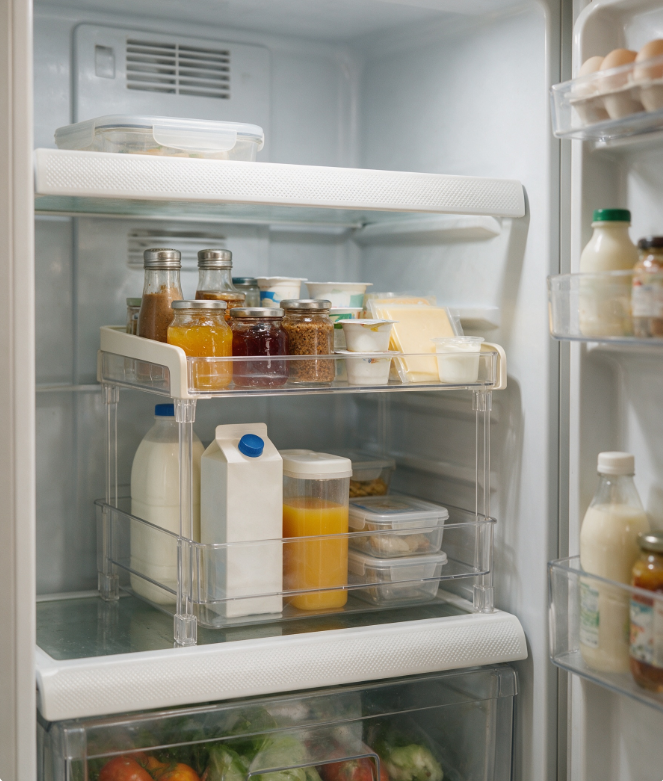
Use diluted white vinegar to wipe kitchen countertops and dining tables to remove food residues and mild bacteria, ensuring safe contact for food placement. Clean the refrigerator interior with lemon water to remove odors and inhibit bacterial growth, keeping stored food fresh and hygienic. Sinks can be scrubbed with baking soda powder to remove dirt and prevent drain odor.
Non-Toxic Bathroom Cleaning & Mildew Prevention
Bathrooms are prone to water scale and mildew due to long-term humidity. Spray diluted white vinegar on shower glass, wall tiles, and faucet surfaces to dissolve stubborn water scale and soap scum. For mildew in tile gaps and wall corners, apply baking soda paste and let it sit for ten minutes before scrubbing, which can effectively remove mildew spots without irritating fumes.
Use lemon slices to wipe bathroom hardware accessories, which can not only remove water stains but also polish the surface to restore brightness. After cleaning, open windows for ventilation to keep the bathroom dry, fundamentally reducing mold and bacterial reproduction.
Safe Living Room & Bedroom Cleaning
Living rooms and bedrooms have frequent human contact, requiring mild and safe cleaning methods. Use dry microfiber rags to remove floating dust on furniture, window sills, and electrical surfaces to avoid secondary pollution caused by chemical sprays. For sofa surface stains and carpet dust, use a vacuum cleaner for deep cleaning, and partially scrub with diluted baking soda water for local stains.
Wipe bedside tables, wardrobes, and desktop surfaces with lemon water to remove dust and refresh the air. Natural ingredients avoid residual chemicals on bedding and clothing, creating a safe and healthy sleeping and resting environment, especially suitable for families with infants and pregnant women.
Key Advantages of Long-Term Eco-Friendly Cleaning
Adhering to eco-friendly home cleaning can effectively reduce family’s exposure to toxic chemicals, greatly lowering the incidence of skin allergies, respiratory discomfort, and physical discomfort caused by cleaning product residues. Natural cleaning methods are mild and non-irritating, friendly to sensitive groups, and safer for pet and child growth environments.
In terms of home maintenance, natural ingredients will not corrode furniture, hardware, and paint surfaces, effectively protecting household items and extending their service life. At the same time, homemade natural cleaning solutions are low-cost, avoiding the frequent purchase of expensive commercial detergents, saving daily household expenses.
From an environmental perspective, biodegradable natural ingredients will not cause water and soil pollution after discharge, reducing the family’s carbon footprint and supporting sustainable green living.
Practical Tips for Better Green Cleaning
To maximize the effect of eco-friendly cleaning, follow simple daily rules. First, prepare cleaning solutions on demand and avoid long-term storage to ensure the activity of natural ingredients. Second, classify cleaning tools by area to avoid cross-contamination of kitchen and bathroom bacteria. Third, adhere to frequent light cleaning to prevent stubborn dirt accumulation, making natural decontamination more efficient and labor-saving.
In addition, match green cleaning with daily ventilation. Opening windows regularly for air circulation can remove indoor peculiar smells and volatile dirt particles, cooperating with natural cleaning methods to maintain long-term household hygiene.
Conclusion
Eco-friendly home cleaning represents the new trend of modern healthy green living. It abandons the dependence on harsh chemical detergents and uses safe, natural, and efficient methods to complete household sanitation maintenance. This cleaning mode not only creates a spotless, fresh, and hygienic living space but also builds a healthy protection barrier for every family member. For modern homeowners who pursue health, safety, and environmental protection, green and non-toxic home cleaning is the most worthwhile sustainable living habit to develop.