Daily Dental Health: Simple Habits for a Lifetime of Healthy Teeth and Gums
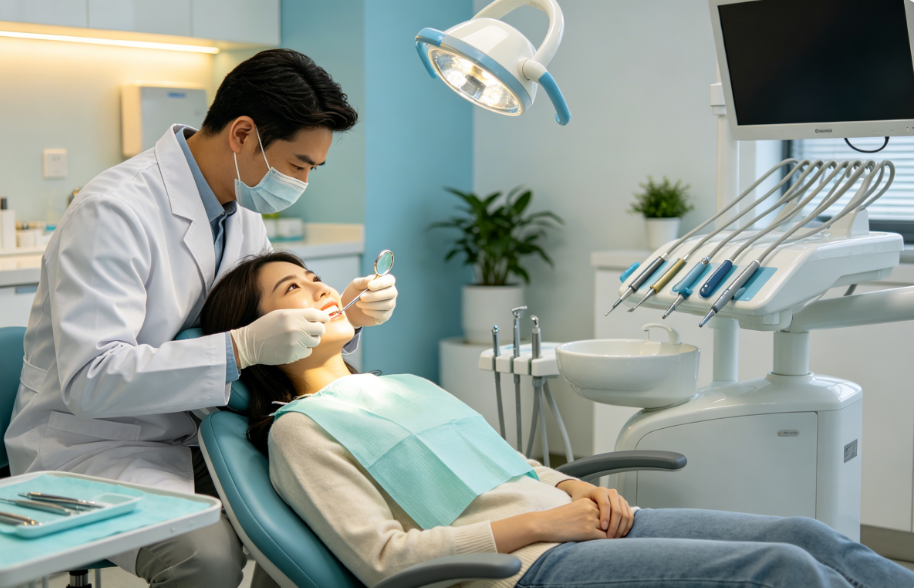
A healthy smile is more than just an aesthetic benefit—it is a vital indicator of overall physical health. Proper dental hygiene protects teeth and gums from common oral diseases, supports healthy digestion, and even reduces the risk of systemic health problems. Many people underestimate how daily oral care routines influence long-term wellness. With consistent, science-backed habits and regular professional dental care, individuals of all ages can maintain strong teeth, clean gums, and fresh breath throughout their lives.
The Real Connection Between Oral Health and Overall Health
The mouth serves as the entry point to the body’s respiratory and digestive systems. When harmful bacteria accumulate due to poor oral hygiene, they can spread beyond the mouth and contribute to inflammation and illness in other parts of the body. Unresolved gum disease and tooth infections have been linked to increased risks of heart issues, uncontrolled blood sugar, and chronic inflammation. Keeping the mouth clean and healthy significantly lowers these health risks while improving daily comfort, speech clarity, and self-confidence.
In addition to physical health benefits, good dental health supports mental wellness. A clean, pain-free smile helps people feel more confident in social situations, improving overall quality of life and daily emotional well-being.
The Correct Daily Oral Hygiene Routine
Brush Properly Twice a Day
Brushing teeth morning and night remains the foundation of effective dental care. For best results, use a soft-bristled toothbrush and fluoride toothpaste. Fluoride strengthens tooth enamel, repairs early enamel weakness, and prevents cavities. Each brushing session should last approximately two minutes, covering every tooth surface, including front, back, and chewing areas. Gentle circular motions protect enamel and prevent gum damage caused by harsh scrubbing. Toothbrushes should be replaced every three months or once bristles become worn.
Floss Every Day to Remove Hidden Plaque
Toothbrushes cannot clean the tight spaces between teeth. These hidden areas collect food particles and plaque, which eventually lead to cavities and gum irritation. Daily flossing eliminates buildup between teeth and along the gumline, reducing the risk of interproximal decay and early gingivitis. Traditional dental floss, floss picks, or water flossers all deliver effective results when used consistently.
Additional Daily Cleaning Habits
Tongue cleaning is an often-overlooked step in oral care. Bacteria on the tongue surface are a leading cause of bad breath. Gently cleaning the tongue each morning reduces bacteria buildup and keeps breath fresh. Drinking plenty of water throughout the day helps rinse food residue, balance oral bacteria, and prevent dry mouth, which increases cavity risk. Mild, alcohol-free mouthwash can provide additional protection against plaque and gum sensitivity for users with sensitive oral tissue.
How Diet and Lifestyle Impact Dental Wellness
What people eat directly affects the condition of their teeth and gums. Sugary snacks, soda, energy drinks, and sweetened juices feed harmful oral bacteria, which produce acid that slowly erodes tooth enamel. Over time, repeated acid exposure creates cavities, tooth sensitivity, and discoloration. Acidic foods, including citrus fruits, coffee, and flavored beverages, also weaken enamel when consumed excessively.
To protect dental health, limit frequent snacking and prolonged sipping of sweet or acidic drinks. After consuming sugary or acidic meals, rinse the mouth with water to neutralize acidity. Incorporating tooth-friendly foods such as leafy vegetables, crunchy fresh produce, cheese, yogurt, and nuts supports natural saliva production. Saliva naturally cleanses the mouth, remineralizes weakened enamel, and maintains a healthy oral environment.
Avoiding harmful habits significantly improves oral health outcomes. Tobacco products stain teeth, irritate gums, and greatly increase the risk of gum disease and oral complications. Chewing ice, biting hard objects, and grinding teeth can crack enamel and cause long-term tooth damage. Reducing these habits preserves natural tooth structure and gum health.
Prevention and Early Treatment of Common Dental Problems
Cavities and Tooth Decay
Cavities develop when plaque bacteria erode tooth enamel, creating small holes in the tooth structure. Early-stage decay rarely causes pain, allowing damage to progress unnoticed. Without treatment, small cavities deepen, reaching the inner tooth pulp and causing severe pain, infection, and tooth loss. Regular brushing, flossing, fluoride use, and routine dental checkups are the most effective ways to prevent decay.
Gum Disease
Gum disease begins as gingivitis, marked by swollen, red gums that bleed easily during brushing or flossing. Early gingivitis is reversible with improved oral hygiene. Without intervention, it progresses to periodontitis, a serious condition that damages gum tissue, destroys supporting bone structure, and leads to permanent tooth loss. Consistent plaque removal and professional cleanings are essential for long-term gum health.
Bad Breath and Tooth Sensitivity
Persistent bad breath typically stems from bacteria buildup, trapped food debris, dry mouth, or mild gum inflammation. Most cases improve quickly with better daily cleaning and hydration. Tooth sensitivity occurs when enamel wears thin, exposing inner tooth layers. Avoiding overly aggressive brushing and using sensitivity-friendly toothpaste can reduce discomfort significantly.
Why Regular Dental Checkups Are Essential
At-home oral care cannot remove hardened tartar or detect hidden dental issues. Professional dental examinations and cleanings every six months help maintain optimal oral health. Dentists remove tartar buildup, screen for hidden cavities, evaluate gum condition, and check for early warning signs of oral abnormalities. Early detection prevents minor issues from developing into painful, expensive dental problems.
Dental professionals also provide personalized care recommendations. Custom advice for tooth grinding, dry mouth, sensitive teeth, or uneven enamel wear helps patients protect their unique oral conditions. Preventive treatments such as dental sealants and professional fluoride applications offer additional protection for vulnerable teeth, especially for children and cavity-prone adults.
Lifelong Dental Care for Every Age
Dental health needs change throughout different life stages. Children require gentle supervision during brushing, routine dental visits, and cavity prevention treatments to support healthy permanent tooth development. Teenagers and young adults benefit from consistent daily habits to avoid early gum issues and enamel damage caused by busy schedules and irregular routines.
Adult dental care focuses on long-term preservation of natural teeth and gum stability. Many adults develop early gum sensitivity and tartar buildup due to years of inconsistent flossing. Regular maintenance prevents gradual tooth loss and aging-related oral issues. Seniors often face dry mouth, gum recession, and worn enamel, making consistent hydration, gentle cleaning, and frequent dental monitoring essential for preserving healthy teeth in later life.
Final Thoughts
Dental health is a simple yet powerful pillar of overall wellness. Healthy teeth and gums support comfortable eating, clear speech, and lasting self-confidence while protecting the body from preventable inflammation and disease. By maintaining a consistent daily hygiene routine, choosing tooth-friendly foods, avoiding harmful oral habits, and visiting dental professionals regularly, anyone can enjoy a clean, strong, and healthy smile for a lifetime.