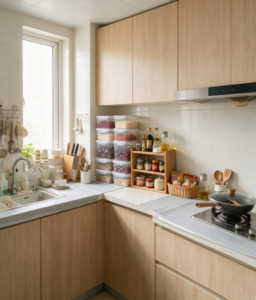
Complete Kitchen Cleaning Guide: Eliminate Grease, Bacteria, and Hidden Household Grime

The kitchen is the heart of every home and the most high-traffic, high-grime household area. As the primary space for food preparation, cooking, and daily meal prep, kitchens constantly accumulate cooking grease, food residue, sticky stains, and invisible bacteria. Unlike dust and dry dirt in other rooms, kitchen grime is mostly oily, sticky, and organic, allowing it to harden on surfaces, penetrate tiny gaps, and breed harmful microorganisms over time. A clean kitchen is essential for food safety, family health, and pleasant living environments. This comprehensive kitchen cleaning guide covers daily routines, deep-clean methods, and expert tips to keep your kitchen spotless, sanitary, and odor-free all year round.
Why Professional Kitchen Cleaning Is Critical for Family Health
Many homeowners underestimate how quickly kitchen contaminants build up. Stove grease, spilled food residues, and damp countertop surfaces create ideal breeding conditions for bacteria, mold, and pests. Common kitchen bacteria such as E. coli and salmonella often thrive on cutting boards, sink surfaces, and appliance exteriors, posing direct risks to food safety. Improperly cleaned kitchen surfaces can easily cause cross-contamination, leading to stomach discomfort, food poisoning, and allergic symptoms.
In addition, accumulated old grease produces sticky residues that attract dust, pet hair, and floating particles, forming thick, unsightly grime. Over time, oxidized grease creates stubborn yellow stains and stale cooking odors that linger in the air. Heavy grease buildup can also damage kitchen appliances, block ventilation systems, and even affect indoor air quality. Consistent and thorough kitchen cleaning eliminates these hidden hazards, ensuring safe food handling and a hygienic living environment.
Most Overlooked Dirty Areas in the Kitchen
Most daily kitchen cleaning only focuses on visible surfaces such as countertops and stoves, while numerous hidden dead corners become long-term dirt hotspots.
Range Hoods and Filter Nets: Range hood filters absorb massive cooking oil fumes every day. Grease accumulates layer by layer, hardening into thick sticky grime that blocks ventilation and causes oil dripping.
Countertop Cracks and Seams: Tiny gaps between countertops and walls or kitchen seams easily trap food crumbs, sauce splatters, and liquid residues, decaying and breeding bacteria.
Refrigerator Interior and Door Seals: Refrigerator door gaskets contain hidden gaps that trap food residues and mold spores. Shelf bottoms and drawer corners often hold spilled juices and spoiled food debris.
Kitchen Sink and Drainage Pipes: Sink surfaces appear clean after flushing, but oil films and organic residues remain on pipe walls, decomposing to produce odors and attracting small pests.
Appliance Surfaces and Button Panels: Microwave exteriors, oven panels, and kettle surfaces accumulate oil vapor and fingerprints, forming invisible mixed dirt.
Daily Light Cleaning Routine to Prevent Grease Buildup
The best kitchen cleaning strategy is daily maintenance rather than exhausting deep cleaning. A 10-minute post-cooking routine effectively prevents grease and residue from hardening and eliminates most cleaning difficulties in advance.
After each cooking session, wipe the stove surface and surrounding walls with a damp microfiber cloth to remove fresh oil splatters and sauce residues before they oxidize and solidify. Rinse tableware, pots, and kitchen utensils promptly to avoid food drying and sticking. Clean the sink basin thoroughly and wipe the countertop dry to remove residual water and oil films.
Empty kitchen trash every night to prevent food residues from decomposing overnight and producing odors or attracting pests. Keep kitchen windows or exhaust fans running for 10 minutes after cooking to exhaust residual oil fumes and humid air, preventing oil vapor from adhering to walls and cabinets.
Weekly Deep Cleaning Steps for Stubborn Kitchen Grime
Degrease Range Hoods and Stove Tops
Weekly range hood maintenance is key to avoiding heavy grease accumulation. Remove filter nets and soak them in warm water mixed with mild degreasing cleaner for 15 to 20 minutes. The warm solution dissolves hardened grease, making it easy to scrub clean. Wipe the hood surface, oil cups, and exhaust fan panels thoroughly to remove accumulated oil stains. For stove tops, target burnt food marks and stubborn grease with targeted cleaning solutions, scrubbing gently to restore smooth and clean surfaces without scratching stove materials.
Deep Clean Microwave and Oven Interiors
Microwaves and ovens easily accumulate splattered soup, oil, and food residues during heating and baking. Weekly deep cleaning prevents old residues from carbonizing and producing peculiar burnt odors. Place a heat-resistant bowl of lemon water inside the microwave and heat it for several minutes. The steam softens internal grease and deodorizes the cavity naturally. After steaming, wipe the inner wall, turntable, and door seals to remove all softened residues. For ovens, wipe interior walls and baking trays to clear food crumbs and oil stains, maintaining clean and safe baking conditions.
Sanitize Sinks and Drain Systems
Kitchen sinks harbor more bacteria than most household areas. Perform weekly deep sanitization by scrubbing the sink basin, edge gaps, and faucet surfaces with neutral cleaner. Remove hidden dirt around the sink stopper and drain cover. Flush the drain with warm water to dissolve pipeline grease, eliminate potential odor sources, and prevent pipeline blockage caused by accumulated food debris.
Organize and Wipe Cabinet Exteriors
Kitchen cabinet doors and handles continuously adsorb floating oil fumes and hand bacteria. Wipe cabinet surfaces, door panels, and handles weekly to remove accumulated oil films and fingerprints. Tidying up cabinet exteriors instantly refreshes the entire kitchen and prevents long-term oil corrosion on cabinet surfaces.
Monthly Kitchen Deep Sanitization and Maintenance
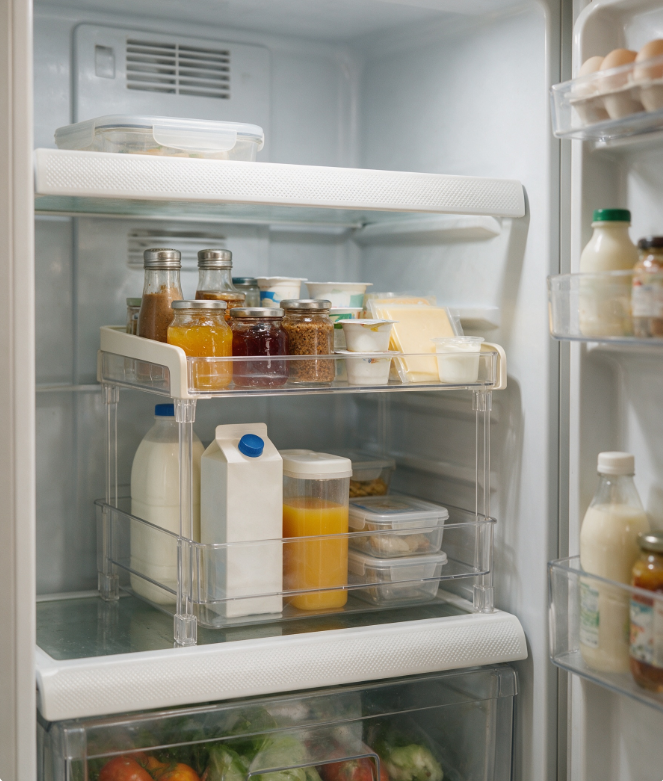
Monthly deep cleaning targets hard-to-reach areas and long-term accumulated dirt that daily and weekly cleaning misses. Thoroughly clean the refrigerator interior, take out all shelves and drawers, and wipe every corner to remove spilled liquids and residual food debris. Clean refrigerator door seals with a soft brush to clear hidden mold and dirt, ensuring food storage safety.
Check and clean the gaps behind kitchen appliances such as refrigerators and kettles. These narrow spaces accumulate dust, fallen food crumbs, and oil dirt for a long time, easily breeding bacteria and attracting pests. Wipe wall tiles and ceiling corners to remove accumulated oil dust and floating grime, restoring a bright and clean kitchen environment.
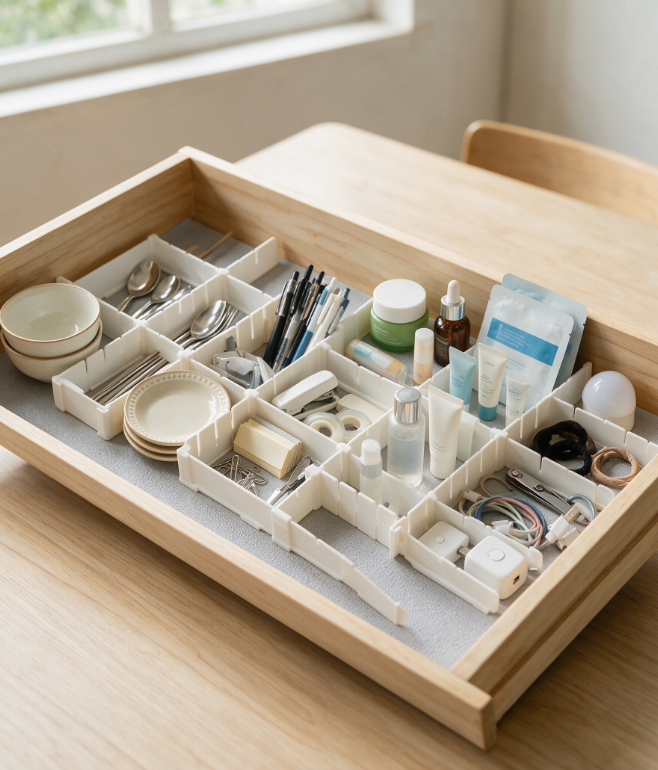
Sort kitchen condiments, tableware, and storage items monthly, discard expired ingredients and idle utensils, and keep storage areas tidy and ventilated to avoid mold and contamination.
Safe and Effective Kitchen Cleaning Tips
Always choose neutral, food-safe cleaning products for kitchen sanitation to avoid chemical residues contaminating tableware and ingredients. Avoid mixing different chemical cleaners to prevent harmful gas reactions. For stubborn old grease, use the soaking and softening method instead of violent scrubbing to protect stove surfaces, tile glaze, and cabinet paint from damage.
Separate cleaning tools for the kitchen from other household cleaning cloths to avoid cross-contamination. Regularly wash and sun-dry kitchen rags and sponges, as these tools easily absorb oil and water and become bacterial breeding grounds if left damp.
Benefits of a Consistently Clean Kitchen
Maintaining a clean kitchen effectively reduces bacterial and mold growth, greatly improving food safety and protecting family digestive health. Clean surfaces and fresh air eliminate stale cooking odors and sticky greasy feelings, significantly improving cooking experience and home comfort. Regular cleaning and maintenance also prevent grease corrosion on kitchen facilities, extend the service life of stoves, range hoods, and cabinets, and reduce long-term household maintenance costs. A tidy, sanitary kitchen also creates a neat home atmosphere and enhances overall living quality.
Conclusion
Kitchen cleaning is a systematic maintenance project that combines daily care, weekly deep decontamination, and monthly full sanitization. Different from other room cleaning, kitchen sanitation focuses on degreasing, deodorization, and food-grade antibacterial protection. By developing scientific cleaning routines and targeting hidden dirty dead corners, homeowners can completely solve stubborn grease, bacterial pollution, and kitchen odors. A clean, fresh, and hygienic kitchen provides safe food preparation conditions and creates a warm, healthy, and high-quality living environment for every family.