Small Apartment Cleaning Guide: Smart Tips to Maintain a Spotless Home in Limited Space
Living in a small apartment offers affordability, convenience, and coziness, but it also brings unique cleaning challenges. With limited square footage, shared functional spaces, compact storage, and poor natural air circulation, dust, clutter, and odors build up far faster than in large houses. Even minor messes can make small living spaces look cramped, messy, and uninviting. Unlike traditional house cleaning that focuses on large-area sanitation, small apartment cleaning emphasizes space-saving methods, regular light maintenance, and hidden corner care. By adopting scientific and efficient cleaning habits, renters and small-space dwellers can effortlessly maintain a clean, fresh, and spacious apartment without spending hours on tedious housework.
Unique Cleaning Challenges for Small Apartments
Small apartments feature overlapping living areas, where the living room, workspace, dining zone, and rest area occupy the same compact space. Every daily activity, from working and dining to relaxing, generates dust, debris, and surface stains, leading to continuous dirt accumulation. Unlike standalone homes with independent rooms, small spaces have no buffer zone for clutter; scattered items, tiny dust particles, and faint odors will immediately affect the overall living environment.
Most studio apartments and one-bedroom units have fewer windows and weaker ventilation. Stale air, cooking fumes, and indoor moisture cannot circulate quickly, resulting in lingering musty smells, humid corners, and accelerated dust mite reproduction. In addition, built-in cabinets, narrow floor gaps, compact bathroom fixtures, and wall-mounted furniture create numerous hard-to-clean dead corners. Improper cleaning habits will cause long-term dirt buildup, mold growth, and poor indoor hygiene, affecting both living comfort and physical health.
Core Principles of Small-Space Apartment Cleaning
To achieve efficient cleaning in limited spaces, residents need to abandon exhaustive deep cleaning and adhere to three practical core principles: clean frequently, clean lightly, and clean targeted. Frequent daily maintenance prevents dirt and clutter from accumulating into stubborn messes, avoiding time-consuming centralized cleaning. Light cleaning adopts mild tools and simple operations, suitable for daily busy lifestyles without causing wear to rental facilities. Targeted cleaning focuses on high-frequency dirty areas and hidden corners, ensuring no sanitary dead corners while saving time and energy.
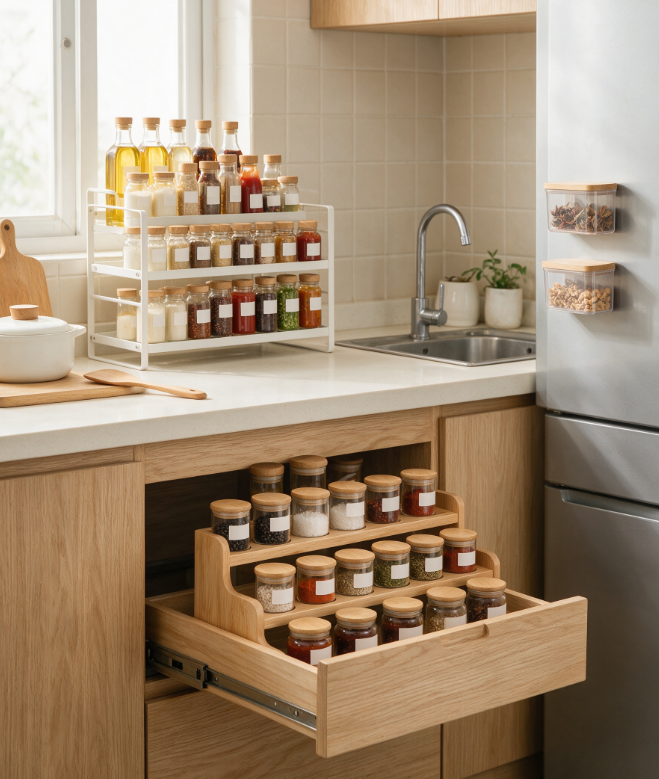
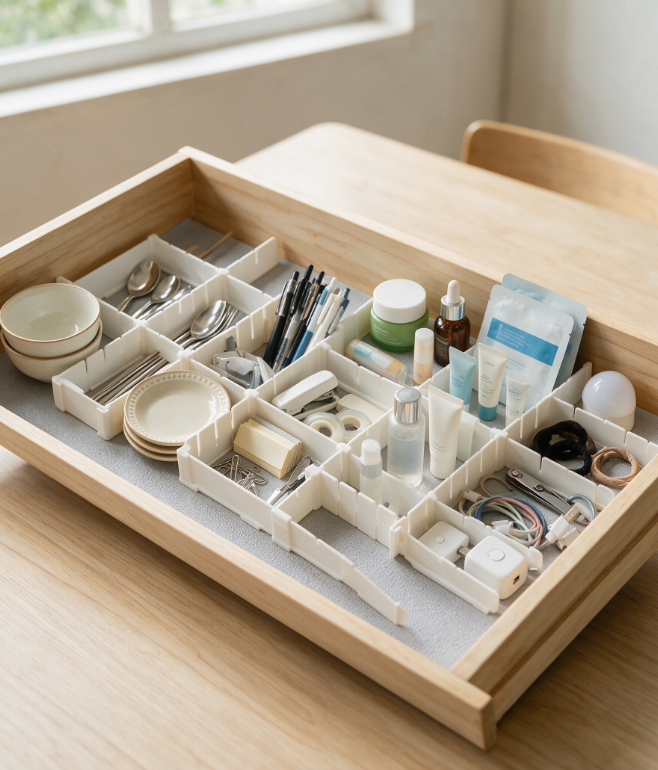
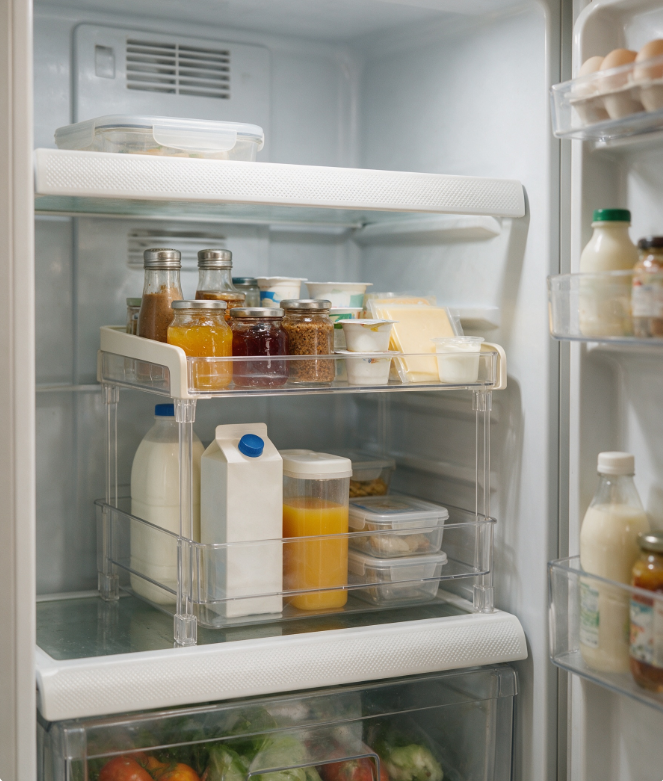
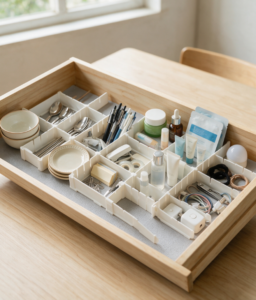
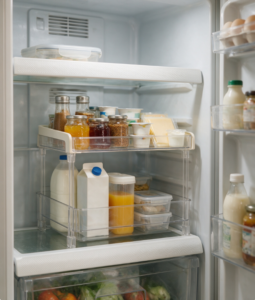
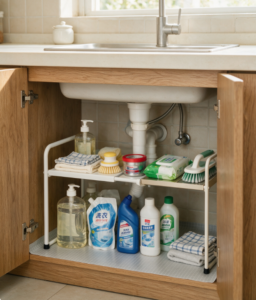
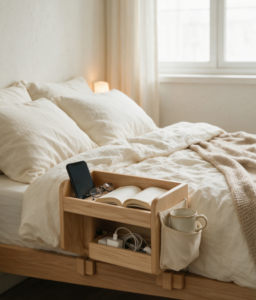
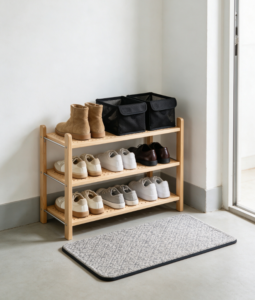
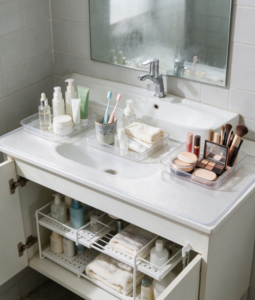
Another key principle of small apartment cleaning is combining cleaning with storage. Clutter is the biggest enemy of small spaces. Reasonable classified storage reduces scattered messes, simplifies daily cleaning work, and visually enlarges the living space, making the apartment always neat and orderly.
Daily 10-Minute Light Cleaning Routine for Busy Residents
Busy office workers and students often lack time for long cleaning sessions, so a concise daily routine is the best solution for maintaining apartment hygiene. Spend 10 minutes every night completing fixed light cleaning tasks to keep the apartment in a stable clean state.
First, complete clutter reset. Fold scattered blankets, tidy up desk stationery, electronic devices, and personal belongings, and put stray clothes and sundries in fixed storage areas. Small spaces are extremely sensitive to clutter, and timely tidying can instantly eliminate a cramped and messy visual effect. Second, wipe high-touch surfaces including dining tables, desktops, window sills, and light switch panels to remove daily dust, fingerprints, and light stains.
Finally, conduct short-term ventilation. Open windows for 10 to 15 minutes to replace stale indoor air, reduce indoor humidity, and disperse residual cooking odors and floating dust. This simple daily routine effectively avoids dirt accumulation and fundamentally reduces the pressure of weekly deep cleaning.
Practical Cleaning Solutions for Key Apartment Areas
Compact Living Room and Workspace Cleaning
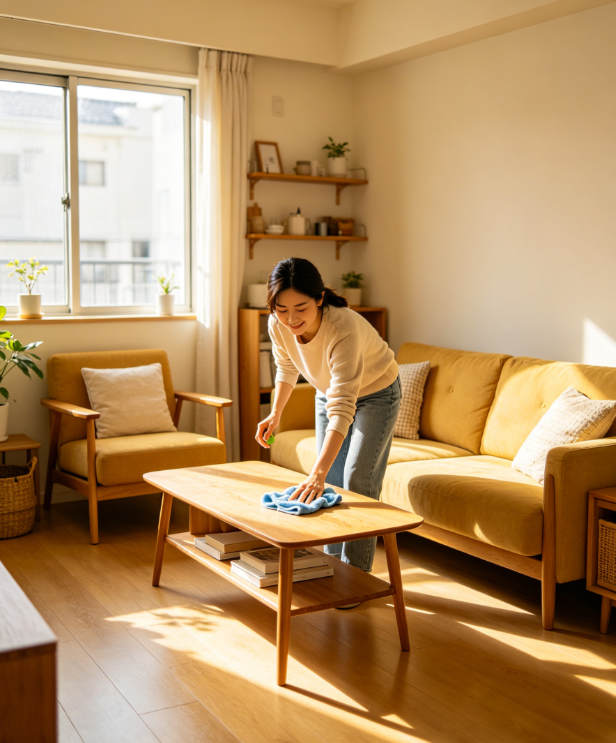
The integrated living and working area is the most frequently used zone in small apartments, prone to dust accumulation and messy stacking. Daily dust removal with a microfiber cloth can effectively capture floating dust on furniture surfaces, sofa tops, and decorative items. Avoid placing excessive decorative ornaments and plush toys, as redundant decorations easily trap dust and increase cleaning burden.
For sofa gaps, mattress edges, and desk corners that are hard to clean manually, use a portable handheld vacuum for regular suction cleaning to remove hidden debris and fine dust. Weekly wipe furniture surfaces with mild neutral cleaner to remove static dust and oil stains, maintaining a bright and fresh indoor environment.
Mini Apartment Kitchen Cleaning
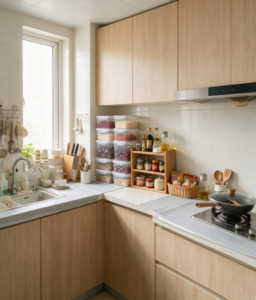
Small apartment kitchens have narrow countertops and compact stove areas, with concentrated grease and food residues. Adhere to the “clean immediately after use” rule. Wipe stove surfaces, wall edges, and countertops right after cooking to prevent oil stains from cooling, oxidizing, and forming stubborn grime. Clean sink residues and food debris in time every day to avoid organic matter decomposition and peculiar sewer odors.
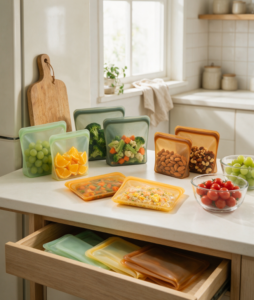
Regularly sort cabinet interiors, discard expired condiments and idle tableware, and keep storage spaces dry and ventilated. Clean range hood surfaces and simple filter nets weekly to reduce grease accumulation, ensuring smooth ventilation and avoiding lingering cooking odors in the small apartment.
Small Ventilated Bathroom Cleaning
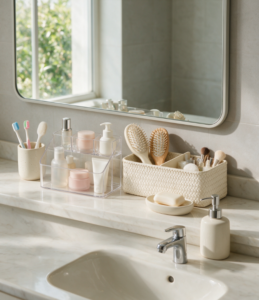
Apartment bathrooms are usually small and poorly ventilated, making them prone to limescale, mold, and damp odors. After each shower, use a squeegee to remove residual water on walls, glass, and floors to reduce indoor humidity. Wipe faucet surfaces and mirror glass weekly to remove water stains and scale, keeping fixtures bright and clean.
Focus on cleaning tile gaps, floor drains, and toilet bases monthly to remove hidden mold and accumulated dirt. Keep the bathroom door open for ventilation after cleaning to accelerate drying and inhibit mold and bacterial reproduction in humid corners.
Renter-Friendly Cleaning Tips (No Damage & No Residue)
Most small apartment residents are renters, so cleaning work must ensure no damage to the original house facilities. Avoid hard abrasive tools such as steel wool and stiff brushes to prevent scratching walls, tiles, and floor surfaces. Refuse strong corrosive chemical cleaners that may cause wall fading, paint peeling, and metal oxidation, leading to deposit deductions when checking out.
Choose mild, neutral, and residue-free multi-purpose cleaners suitable for rental houses. Use detachable and washable cleaning tools to ensure clean and hygienic cleaning without secondary pollution. For slight wall stains, use professional wall cleaning sponges for gentle removal instead of powerful chemicals to protect wall integrity. All cleaning methods are safe, non-damaging, and fully compliant with rental house maintenance standards.
Weekly Standard Deep Cleaning Checklist
Formulating a fixed weekly cleaning plan helps maintain long-term apartment hygiene and avoids accumulated dirt. Complete whole-house dust removal and surface wiping every Monday to eliminate weekly initial floating dust. Focus on kitchen degreasing and sink deodorization on Wednesday to keep the core hygienic area clean. Conduct bathroom mold prevention and scale removal on Friday to solve hidden sanitary hazards.
On weekends, finish overall room tidying, fabric cleaning including bed sheets and sofa cushions, and centralized garbage classification and cleaning. This balanced task allocation disperses cleaning pressure, avoids weekend housework burnout, and ensures every corner of the small apartment remains clean and sanitary all week round.
Benefits of a Clean Small Apartment
A clean and tidy small apartment can completely change the living experience. Clean surfaces and zero-clutter space eliminate visual congestion, making the compact space look spacious, bright, and warm. Regular cleaning removes indoor dust, bacteria, and mold, optimizes indoor air quality, and reduces allergic symptoms and respiratory discomfort, effectively protecting residents’ physical health.
Standardized cleaning and maintenance also protect rental facilities, reduce daily wear and dirt damage, and avoid unnecessary economic losses such as deposit deductions. A hygienic and orderly living environment relieves work and life pressure, calms anxiety, and creates a comfortable resting sanctuary for modern people with fast-paced lives.
Conclusion
Small apartment cleaning does not rely on heavy cleaning work but on scientific, lightweight, and regular maintenance. Facing the limitations of compact space, poor ventilation, and easy clutter accumulation, adopting daily light cleaning, regional targeted decontamination, and renter-safe cleaning methods can thoroughly solve common problems such as dust, odor, mold, and mess. A consistently clean and tidy small apartment breaks the inherent impression of cramped and crowded rental houses, creating a healthy, fresh, and high-quality cozy living environment for every resident.