Renter-Friendly DIY: How to Make Silent Furniture Vibration Dampeners for Japanese Thin-Floor Apartments
Introduction
Most urban Japanese rental apartments adopt lightweight wooden structures and ultra-thin floor panels. Although this architectural design lowers construction costs and keeps monthly rent affordable, it generates obvious structural drawbacks: subtle footsteps, furniture shaking, and household appliance vibration easily transmit noise to downstairs neighbors. Tenants face strict noise regulations and are forbidden to drill floors, lay permanent flooring, or modify furniture bases. Under such rigorous constraints, handmade silent vibration dampeners become one of the most essential yet overlooked rental tools. Made of layered soft materials from Japanese 100-yen stores, these small pads eliminate sliding friction, absorb mechanical resonance, and protect fragile rental floors. Beyond noise reduction, this miniature handmade tool reflects Japan’s quiet residential etiquette: living considerately without disturbing others within shared urban space.
Design Concept of the DIY Dampener
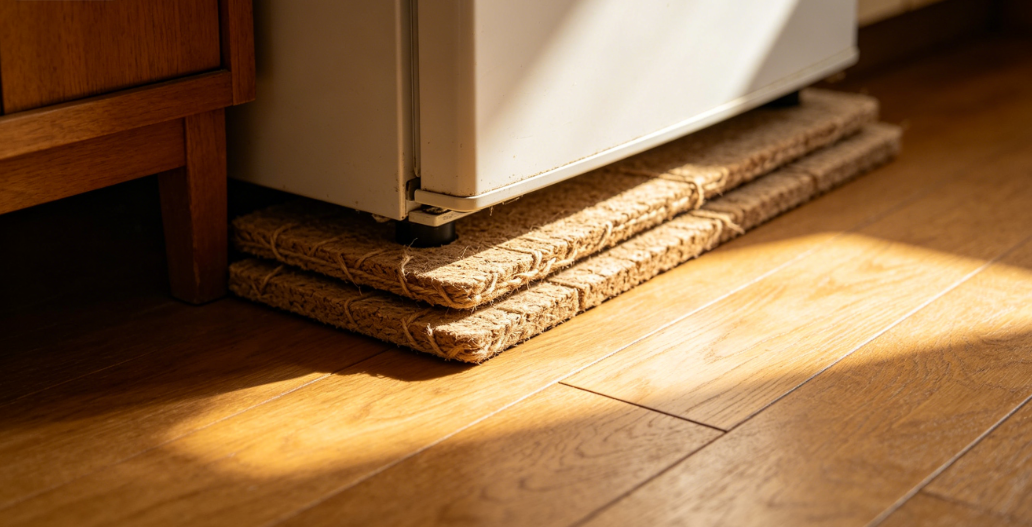
Unlike single-layer commercial rubber pads, this handmade vibration dampener adopts a composite three-layer structure tailored for thin Japanese apartment floors. It follows three core design logics: shock absorption, anti-slip friction, and surface protection. The soft bottom layer prevents hard contact with delicate wooden floors, while the dense middle layer consumes vibration energy generated by refrigerators, desks, and chairs. The top gripping layer fixes furniture legs to prevent horizontal sliding. All materials are residue-free and completely reversible, ensuring no damage during move-out inspections. This tool does not change furniture structures; it gently buffers the connection between objects and the rental space.
Required Materials (Available at Local 100-Yen Shops)
- Thick high-density foam sheets (one sheet)
- Textured rubber anti-slip mat
- Soft felt fabric pads
- Water-resistant odorless fabric glue (removable type)
- Small rounded cutting scissors
Step-by-Step Production Procedure
Step 1: Measure Furniture Legs and Cut Raw Materials
Observe the bottom shapes of household furniture, including desk legs, chair bases, and refrigerator supporting feet. Most Japanese rental furniture adopts small circular or square contact points. Cut the foam sheet, rubber mat, and felt fabric into identical small pieces matching the size of furniture legs. Reserve an extra two-millimeter edge for better wrapping stability. Rounded corners are intentionally trimmed to avoid peeling and warping after long-term compression. This precise cutting habit minimizes unnecessary material waste, consistent with Japan’s minimal material consumption culture.
Step 2: Stack and Bond Three Functional Layers
Assemble the three materials in scientific order: felt fabric as the top contact layer, high-density foam as the middle shock-absorbing layer, and textured rubber as the bottom floor-gripping layer. Apply a thin layer of removable fabric glue between each interface. Unlike permanent industrial glue, this mild adhesive allows manual separation without damaging material textures. The layered structure combines soft buffering and firm friction to cope with continuous vibration from electrical appliances and frequent human movement.
Step 3: Press and Shape for Tight Combination
Place the initially bonded dampeners under heavy books for twenty minutes to extrude internal air bubbles. Sufficient pressing ensures seamless layer adhesion and improves vibration absorption efficiency. During Japan’s humid tsuyu season, compressed layered structure also prevents moisture from penetrating into gaps, avoiding internal mildew and material aging. This simple pressing procedure greatly extends the service life of each handmade pad.
Step 4: Polish Edges and Classify Usage
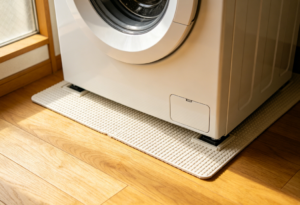
Trim uneven edges and categorize finished dampeners according to hardness. Thicker pads are allocated for vibrating electronic devices such as refrigerators and washing machines, while thinner soft pads are used for desks, chairs, and cabinets. Before placement, wipe floor dust to maximize anti-slip performance. The entire production process requires no professional tools and leaves no traces on rental facilities.
Daily Usage and Functional Advantages
These handmade dampeners bring invisible but significant improvements to rental living environments. They effectively reduce low-frequency resonance generated by running home appliances, eliminating continuous humming noise that disturbs sleep at night. The textured bottom prevents chairs and tables from sliding randomly on polished wooden floors, avoiding harsh scraping sounds. Moreover, the soft felt surface prevents hard furniture from leaving dents or scratches, helping tenants pass strict move-out floor inspections effortlessly. In narrow one-room apartments, these tiny pads stabilize shaking furniture and create an overall sense of indoor tranquility.
Broader Reflection: Silence as Urban Rental Etiquette
In densely populated Japanese residential buildings, noise becomes an invisible social boundary. Thin walls and transparent floors turn every minor vibration into potential disturbance to neighbors. This simple dampener is more than a functional tool; it represents Japanese collective living ethics. Tenants actively reduce noise pollution through gentle handmade modifications instead of relying on mandatory building regulations.
Furthermore, making vibration dampeners reshapes people’s perception of tiny details. In fast-paced urban life, people often ignore subtle vibrations and trivial noises. The process of cutting, stacking, and pressing materials encourages renters to observe their living environment carefully. This subtle awareness transforms a temporary rental room into a considerate, well-maintained personal space.
Conclusion
The layered DIY vibration dampener embodies understated rental wisdom in Japan. With cheap common materials, simple manual bonding steps, and traceless application, it solves floor noise, furniture sliding, and floor abrasion problems simultaneously. It protects both personal living comfort and neighboring public silence. In limited compact apartments, these tiny handmade pads prove that high-quality living does not require large renovations. Instead, subtle attention to vibration, friction, and spatial boundaries creates a stable, quiet, and polite living atmosphere. Ultimately, this miniature tool reveals a profound Japanese residential philosophy: gentle modification maintains harmony between individuals, furniture, and the shared urban environment.