Gemstones: Earth’s Dazzling Natural Treasures
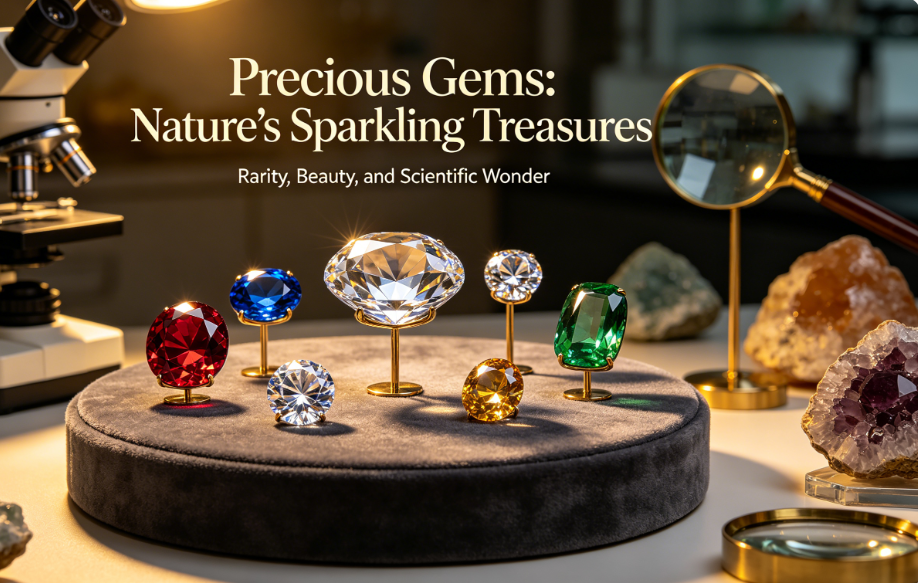
Gemstones are among the most breathtaking gifts nature has to offer, captivating humans for thousands of years with their vibrant colors, brilliant sparkle, and unique charm. These rare minerals are not just beautiful decorations—they carry deep cultural meanings, symbolize emotions, and hold lasting value, making them an integral part of human history and culture across the globe.
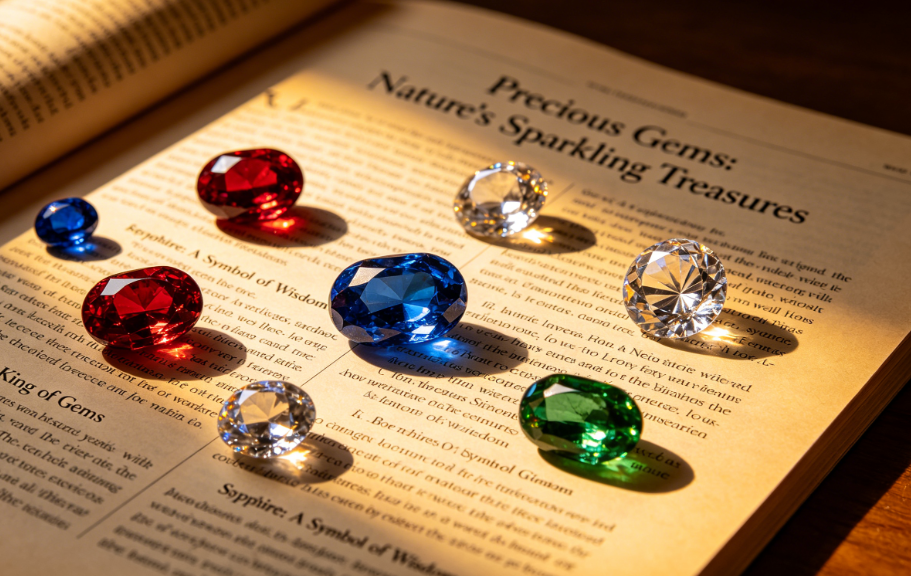
Every gemstone is a product of millions of years of slow, intricate geological processes. Formed deep within the Earth’s crust, they take shape under extreme conditions: intense pressure, high temperatures, and the perfect combination of minerals. This natural craftsmanship creates gemstones with distinct hues, textures, and patterns—no two are exactly the same, making each one a one-of-a-kind treasure. From the deep crimson of a ruby to the clear radiance of a diamond, from the lush green of an emerald to the soft blue of a sapphire, each gemstone tells a story of the Earth’s patient artistry.
Gemstones are commonly divided into two main groups: precious and semi-precious. Precious gemstones are the rarest and most valuable, known as the “Big Four”—diamonds, rubies, sapphires, and emeralds. Diamonds are celebrated for their unmatched hardness and brilliant sparkle, often symbolizing eternal love and strength. Rubies, with their rich red color, represent passion, courage, and vitality. Sapphires, available in various shades (most famously blue), evoke calmness, loyalty, and wisdom. Emeralds, with their vivid green hue, are associated with growth, prosperity, and new beginnings.
Semi-precious gemstones, while more accessible, are no less stunning and offer a wide range of colors and styles. Amethyst, with its deep purple tones, is linked to calmness, clarity, and spiritual balance. Turquoise, with its sky-blue or greenish-blue color, is a symbol of protection, good fortune, and connection to nature. Topaz, which comes in warm yellows, cool blues, and even clear varieties, is said to bring joy, abundance, and emotional healing. Other beloved semi-precious gemstones include garnet (deep red), peridot (olive green), and opal (iridescent, with shifting colors).
Throughout history, gemstones have played a significant role in various cultures. Ancient Egyptians adorned themselves with lapis lazuli and turquoise, believing these stones held divine power and protection. The ancient Greeks associated sapphires with the gods and rubies with love and passion. In Eastern cultures, jade is revered as a symbol of purity, longevity, and prosperity, often passed down as a cherished family heirloom. Today, gemstones continue to mark important life moments—diamonds in engagement rings, rubies for anniversaries, and emeralds to celebrate new chapters.
Caring for gemstones is simple but important to preserve their beauty and value. Harder gemstones like diamonds can be cleaned with mild soap and warm water, while softer stones like opals and pearls require gentle handling to avoid scratches or damage. It’s best to store gemstones separately to prevent them from scratching each other, and to avoid exposure to harsh chemicals, extreme heat, or direct sunlight, which can fade their colors or damage their surface.
Gemstones are more than just minerals—they are a bridge between nature and human emotion. They capture the Earth’s beauty, carry the weight of cultural traditions, and hold personal meaning for those who wear or collect them. Whether admired for their sparkle, cherished for their symbolism, or valued for their rarity, gemstones remain a timeless treasure that continues to enchant and inspire people around the world.