Gold: The Timeless Metal of Value, Beauty and Investment
Naturally found in the Earth’s crust, gold is one of the rarest metals on the planet. It forms through slow geological processes, often deep underground or in riverbeds where water has washed it over centuries. Mining gold requires careful effort, as it is often found in small quantities and mixed with other rocks. This scarcity is a key reason for its high value, as demand for gold has always outpaced its limited supply.
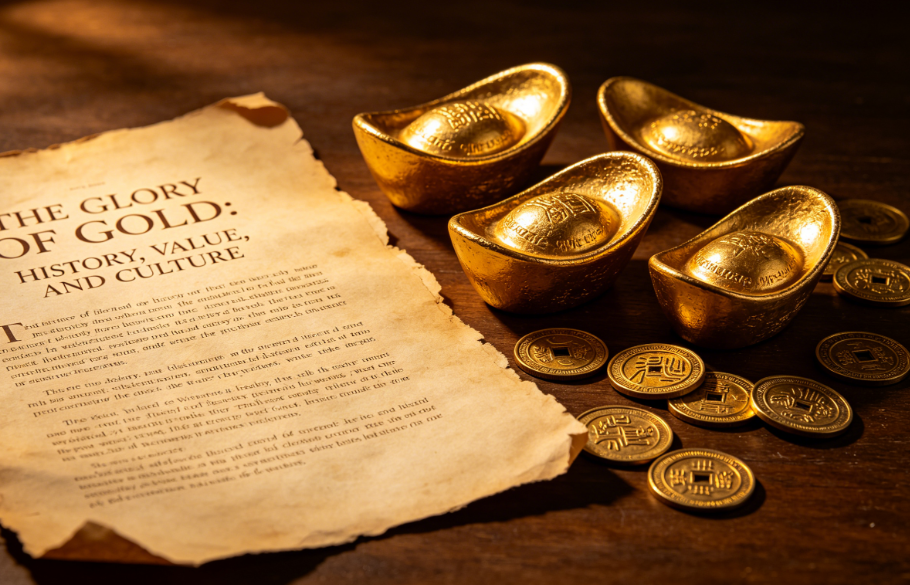
Throughout history, gold has played a central role in human society. Ancient civilizations, from the Egyptians and Incas to the Greeks and Romans, revered gold as a gift from the gods. They used it to craft royal jewelry, religious artifacts, and burial treasures, believing it symbolized power, immortality, and divine connection. Gold also served as a universal form of currency for millennia—easy to carry, divide, and recognize, it became a trusted medium of exchange across kingdoms and continents.
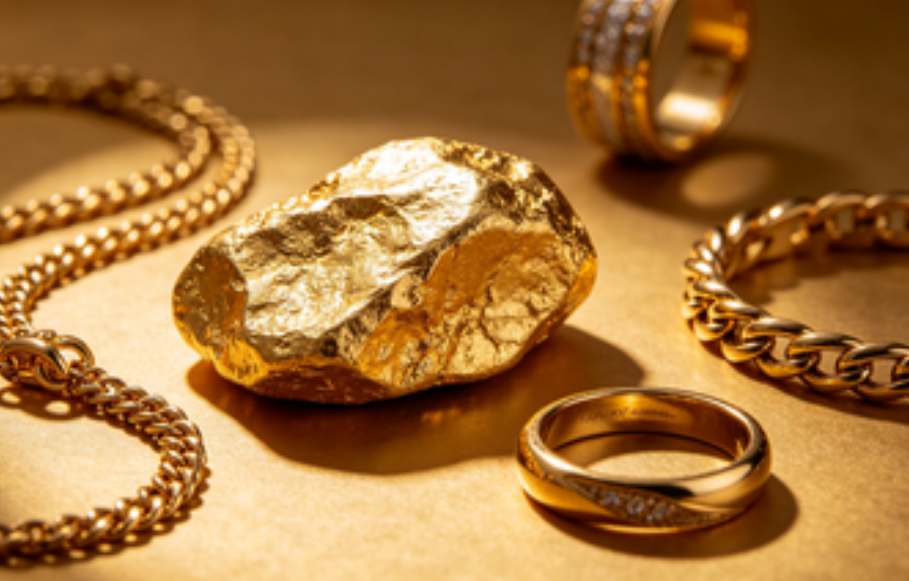
In modern times, gold’s appeal remains strong, with uses ranging from beauty to industry and investment. It is most famously used in jewelry, from simple everyday pieces to elaborate, high-end designs. Its malleability—meaning it can be shaped into thin sheets or fine wires—makes it perfect for crafting intricate details. Beyond jewelry, gold is a critical component in electronics, medical devices, and aerospace technology, thanks to its excellent conductivity and resistance to corrosion.
One of gold’s most important modern roles is as an investment. It is widely regarded as a “safe haven” asset, meaning it holds its value or even increases in value during times of economic uncertainty, inflation, or geopolitical tension. When stock markets crash, currencies devalue, or global conflicts arise, investors turn to gold to protect their wealth, as it is not tied to any single country or economy.
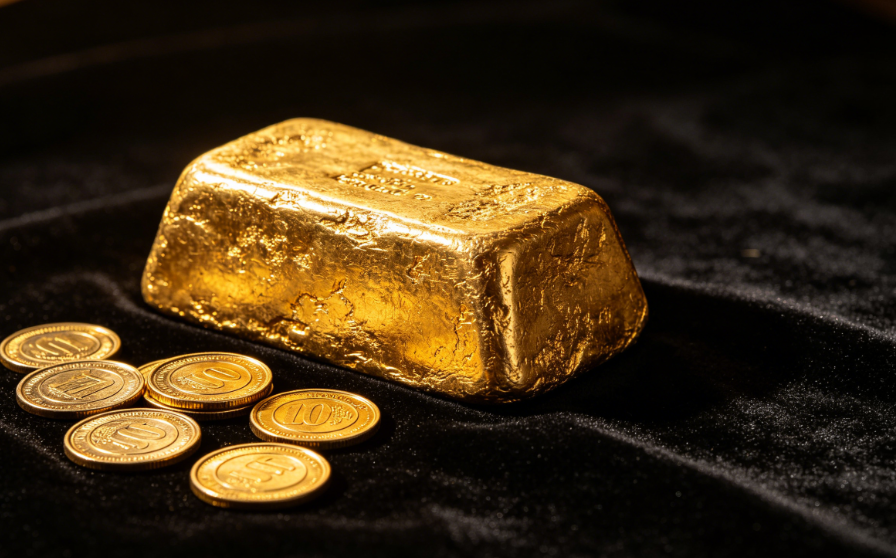
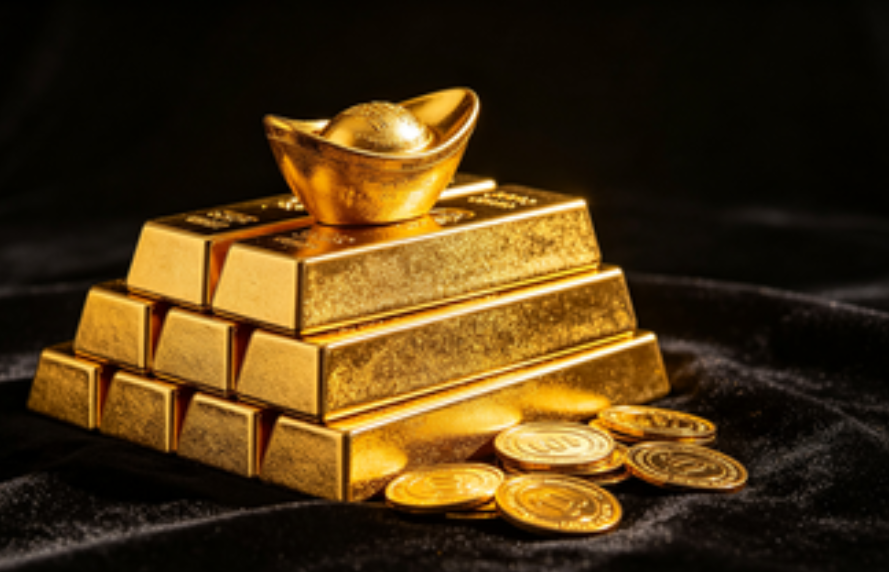
Investing in gold is accessible to everyone, with several simple options. Many people choose physical gold, such as small gold bars or coins, which they can store securely. Others prefer gold exchange-traded funds (ETFs), which track the price of gold and can be bought or sold like stocks, offering convenience and liquidity. Gold jewelry is also a popular choice, though it often includes extra costs for design and craftsmanship.
The price of gold is influenced by a few key factors. Global economic conditions play a big role—when inflation rises or interest rates fall, gold becomes more attractive. Geopolitical tensions, such as wars or trade disputes, also push gold prices up as investors seek safety. Additionally, supply and demand affect its price: gold production grows slowly, while demand for investment and industry keeps rising.
What makes gold truly timeless is its ability to adapt to changing times while retaining its core value. It has been a symbol of wealth for ancient kings and modern investors, a tool for industry, and a source of beauty for generations. In a world of constant change, gold stands as a steady, reliable anchor—a metal that has earned its place as one of humanity’s most cherished treasures.